7 Fascinating Facts About Leopard Geckos That Will Make You Fall in Love
Leopard geckos are among the most popular pet reptiles, known for their docile nature, vibrant colors, and relatively low maintenance requirements. These charming creatures have captured the hearts of reptile enthusiasts around the world. In this article, we delve into seven fascinating facts about leopard geckos that will deepen your appreciation for these delightful lizards.
1. Unique Tail Regeneration
One of the most remarkable features of leopard geckos is their ability to regenerate their tails after they have been lost. When threatened, these geckos can detach their tails as a defense mechanism, a process known as autotomy. The detached tail continues to wiggle, distracting predators while the gecko escapes. After losing its tail, a leopard gecko will grow a new one, though it may not be identical to the original. The regenerated tail often lacks the intricate patterns of the original and might be shorter or stubbier. This adaptation showcases the resilience and survival instincts of these small reptiles, making them even more captivating.
2. Nocturnal Giants with Diurnal Appetites
Leopard geckos are primarily nocturnal, meaning they are most active during the night. They spend their days hiding in dark, cool areas and come out at dusk to hunt for insects. Despite their nocturnal lifestyle, leopard geckos are voracious eaters, especially when it comes to mealtime. They have a high metabolism and require regular feeding to maintain their energy levels. Their appetite makes them excellent candidates for beginner reptile owners who want a pet that is easy to feed and care for. Just ensure you provide them with a variety of nutritious insects, such as crickets, mealworms, and waxworms, to keep them healthy and happy.
3. Vivid Coloration and Patterns
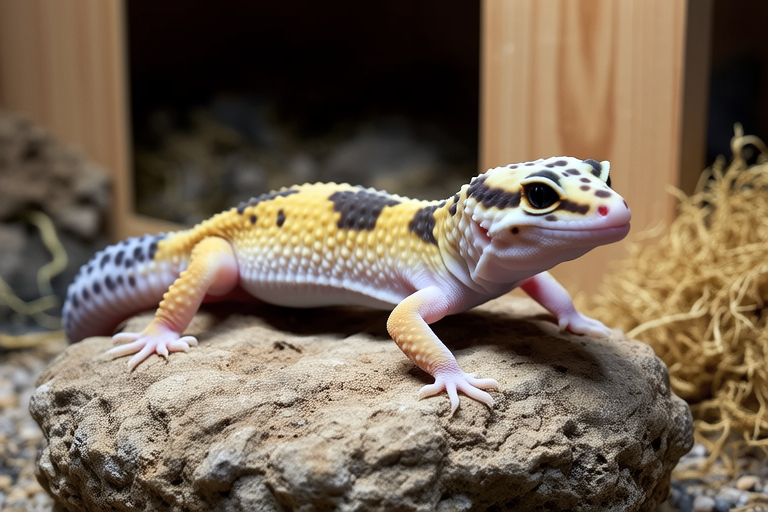
Leopard geckos are renowned for their striking coloration and patterns, which can vary widely depending on the specific breed. The base color of a leopard gecko can range from yellow and white to orange and red, with black spots scattered across their bodies. Some breeds exhibit even more dramatic variations, like albino leopard geckos, which lack pigmentation entirely, resulting in a ghostly white appearance with bright red eyes. Other morphs, such as jungle leopard geckos, feature intricate patterns resembling those found in tropical forests. These mesmerizing patterns and colors make leopard geckos a favorite among reptile enthusiasts who enjoy showcasing these beautiful creatures in vivariums or terrariums.
4. Efficient Temperature Regulation
Leopard geckos are ectothermic, meaning they rely on external sources of heat to regulate their body temperature. To achieve optimal health, they need access to a thermal gradient within their enclosure, allowing them to move between cooler and warmer areas as needed. A basking spot with a temperature of around 90°F (32°C) and a cooler area around 75°F (24°C) is ideal. By controlling their environment, leopard geckos can maintain their metabolism and digestive functions. Proper temperature regulation is crucial for their overall well-being, so providing a suitable habitat is essential for any owner wishing to keep these reptiles as pets.
5. Social Creatures with Complex Behaviors
Contrary to popular belief, leopard geckos are social animals that can form bonds with their human caretakers. While they are not as interactive as some other pets, they do exhibit behaviors that indicate their comfort and trust. For example, a gecko that feels secure in its environment may approach the front of its enclosure when its owner enters the room. Additionally, leopard geckos are known to engage in a behavior called ‘arm waving,’ where they lift one of their limbs and wave it slowly. This gesture is believed to be a form of communication, possibly used to signal submission or interest in mating. Understanding these behaviors can enhance the bond between you and your pet, making their company even more enjoyable.
6. Specialized Teeth and Jaws for Hunting
Leopard geckos have evolved specialized teeth and jaws that enable them to catch and consume their prey efficiently. Their small, pointed teeth are arranged in several rows along the upper and lower jaw, allowing them to grip onto insects firmly. Once caught, their strong jaws help them crush the exoskeleton of their prey, making it easier to swallow. Interestingly, leopard geckos have no teeth on the lower jaw, which contributes to their unique hunting technique. Instead of chewing, they use their tongue to manipulate food items before swallowing them whole. This adaptation highlights the efficiency with which these reptiles have adapted to their insectivorous diet.
7. Minimal Shedding Challenges
Unlike many other reptiles, leopard geckos experience minimal shedding challenges, making them an attractive choice for first-time reptile owners. Their skin sheds in one piece, rather than in patches, reducing the risk of retained shed or complications associated with incomplete shedding. However, it’s still important to monitor your gecko during the shedding process and assist if necessary. Providing a humid hide, where the gecko can retreat during shedding, can help ensure a smooth transition. Additionally, offering a shallow water dish allows them to soak and hydrate themselves, further supporting healthy shedding. With proper care, you can minimize any potential issues and enjoy watching your gecko thrive.
In conclusion, leopard geckos are truly fascinating creatures with many unique characteristics that make them stand out among reptiles. From their ability to regenerate their tails to their complex social behaviors, there is always something new to learn about these delightful pets. Whether you’re a seasoned reptile enthusiast or a newcomer to the world of herpetology, leopard geckos offer endless opportunities for discovery and enjoyment. By understanding and appreciating these remarkable traits, you can provide the best possible care for your gecko and build a rewarding relationship with your scaly companion.
