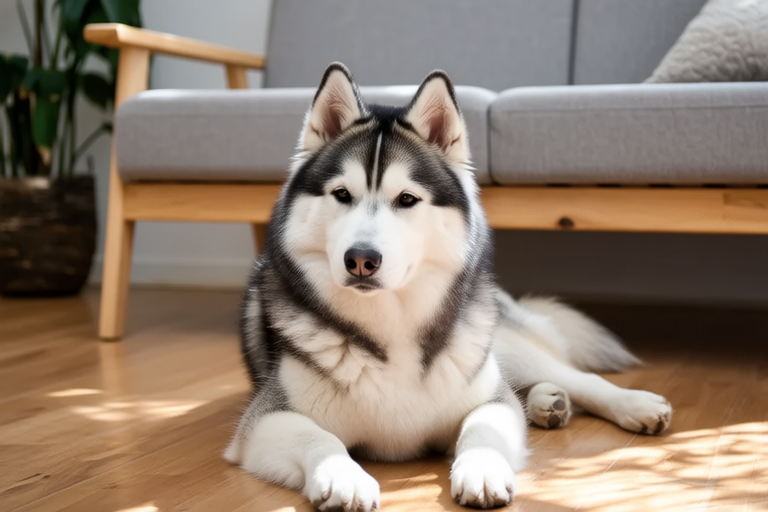
The Ultimate Guide to Raising a Happy and Healthy Siberian Husky at Home
Welcome to your comprehensive guide on how to raise a happy and healthy Siberian Husky at home. This breed is known for its striking appearance and unique personality, but they also come with specific needs that require attentive care. From understanding their temperament and dietary requirements to ensuring they receive adequate exercise and grooming, this guide will cover everything you need to know.
Understanding Siberian Husky Temperament and Needs
Siberian Huskies are descendants of working sled dogs, which explains their high energy levels and strong desire to run. They are intelligent, independent, and affectionate, making them great companions for active families. However, due to their history as working dogs, Siberian Huskies need plenty of mental stimulation and physical activity to prevent boredom-related behaviors.
These dogs are pack animals and thrive when treated as part of the family. They form strong bonds with their owners but can be aloof or distant with strangers. Early socialization is crucial to ensure they grow up to be well-adjusted adults.
Essential Nutrition and Feeding Schedules
Proper nutrition is vital for maintaining a Siberian Husky’s health and vitality. High-quality dog food that meets AAFCO (Association of American Feed Control Officials) standards should be chosen. Look for ingredients like lean meats, whole grains, fruits, and vegetables.
A balanced diet provides the necessary nutrients for optimal growth and development. Consult your veterinarian to determine the right amount of food based on age, weight, and activity level. Typically, adult Huskies require about 1.5 to 2 cups of dry kibble per day, divided into two meals. Puppies may need more frequent feedings until they reach adulthood.
Ensure fresh water is always available. Avoid overfeeding, which can lead to obesity, a common issue among large breeds like the Siberian Husky.
Suitable Exercise Routines
Siberian Huskies were bred for endurance and speed, so regular exercise is crucial. A daily walk or jog of at least one hour is recommended, supplemented by playtime such as fetch or tug-of-war. Agility courses and obstacle training offer excellent mental stimulation.
Consider enrolling your Husky in organized sports like mushing or agility competitions if you’re interested in competitive activities. Always supervise outdoor activities to prevent escape attempts, as this breed has a strong prey drive and may chase small animals.
Grooming Tips
Regular grooming helps maintain the Husky’s coat and skin health. Brush them twice weekly to remove loose hair and prevent matting. During shedding season, increase brushing frequency to three times per week. Use a slicker brush and comb to detangle knots.
Bathing should be done every six weeks or as needed. Use a mild dog shampoo to avoid stripping natural oils from the skin. Trim nails monthly and check ears for signs of infection, cleaning them gently if necessary.
Common Health Issues and Preventive Care
Like all breeds, Siberian Huskies are prone to certain health conditions. Hip dysplasia, progressive retinal atrophy (PRA), and cataracts are among the most common. Regular veterinary check-ups can help detect these issues early.
Vaccinations and parasite control are essential. Keep up-to-date on rabies, distemper, parvovirus, and other core vaccines. Heartworm prevention medication should be administered monthly, especially if living in areas where mosquitoes are prevalent.
Training Methods for Obedience and Socialization
Positive reinforcement techniques work best for training Siberian Huskies. Reward good behavior with treats, praise, or toys. Consistency is key; use the same commands and rewards each time to avoid confusion.
Begin socialization during puppyhood by exposing them to various environments, people, and other animals. This builds confidence and reduces fearfulness. Training classes can provide structured learning opportunities while introducing your Husky to new experiences.
Creating a Safe Home Environment
Secure your yard with fencing to prevent escapes. Consider installing an underground electronic fence if traditional barriers aren’t sufficient. Supervise outdoor playtimes closely to ensure safety.
Remove toxic plants and substances from your home. Common household items like chocolate, xylitol, and certain types of fertilizer can be harmful if ingested. Store medications out of reach, and keep trash cans secured.
Addressing Behavioral Challenges Typical in the Breed
Barking and digging are common behaviors in Siberian Huskies. Provide ample outlets for physical activity to reduce excessive barking. Distract your Husky from digging by redirecting attention towards appropriate chew toys or games.
Separation anxiety can develop if left alone for extended periods. Gradually increase the duration of absences to acclimate your dog to being alone. Crate training can provide comfort during these times but should never be used as punishment.
Raising a Siberian Husky requires commitment and dedication, but the rewards are immeasurable. By understanding their unique characteristics and providing proper care, you’ll enjoy years of companionship with this remarkable breed.
