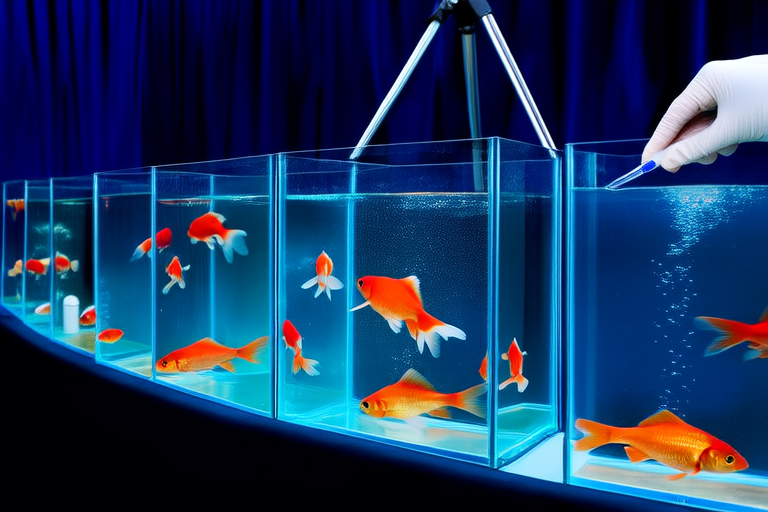
Top 10 Myths About Keeping Goldfish You Need to Stop Believing
Introduction: Goldfish are among the most popular pets globally, but many myths persist about their care. This article aims to dispel these myths, providing accurate and up-to-date information on goldfish care, including dietary needs, tank size requirements, and common misconceptions about their lifespan and intelligence.
Myth 1: Goldfish Can Thrive in Small Bowls
One of the most pervasive myths about goldfish is that they can live happily in small bowls. This misconception stems from the widespread availability of small, decorative bowls in pet stores. However, goldfish require ample space to swim and thrive. A goldfish’s body length determines the minimum tank size needed; for every inch of fish, approximately 20 gallons of water is recommended. Smaller tanks lead to poor water quality, stunted growth, and health issues. The Aquarium Fish International Magazine recommends a 20-gallon tank as the minimum for one goldfish.
Myth 2: Goldfish Are Low-Maintenance Pets
Another myth is that goldfish are low-maintenance pets. While goldfish are generally hardy, they still require regular care. Proper filtration, water changes, and monitoring of water parameters (temperature, pH, ammonia, nitrite, and nitrate levels) are crucial. Neglecting these aspects can lead to health problems. The American Society for the Prevention of Cruelty to Animals (ASPCA) emphasizes the importance of maintaining clean water to ensure your goldfish’s well-being.
Myth 3: Goldfish Only Eat Goldfish Food
Goldfish have diverse dietary needs that extend beyond standard goldfish food. A balanced diet includes high-quality flake or pellet food, supplemented with occasional live or frozen foods like brine shrimp, bloodworms, and daphnia. Vegetables such as peas, spinach, and lettuce can also be offered. Overfeeding is harmful, leading to poor water quality and obesity. The University of Minnesota Extension advises feeding small amounts twice daily, removing any uneaten food after five minutes.
Myth 4: Goldfish Have a Short Lifespan
The average lifespan of a goldfish is often underestimated. With proper care, goldfish can live between 10 to 15 years. Some records show goldfish living over 20 years. Factors influencing longevity include tank size, water quality, diet, and overall care. The PetMD website highlights that goldfish kept in outdoor ponds can sometimes outlive those in indoor tanks due to larger spaces and natural environments.
Myth 5: Goldfish Lack Intelligence
Goldfish are often perceived as unintelligent creatures. However, research has shown that goldfish possess remarkable cognitive abilities. They can recognize their owners, learn tricks, and even distinguish between different shapes and colors. Studies published in the journal Animal Cognition indicate that goldfish can remember solutions to mazes for several months, demonstrating their problem-solving skills.
Myth 6: Goldfish Prefer Cold Water
Contrary to popular belief, goldfish prefer temperatures around 68 to 74 degrees Fahrenheit (20 to 23 degrees Celsius). Maintaining stable water temperature is essential for their health. Fluctuations can stress the fish, leading to illness. The University of Florida IFAS Extension suggests using a heater in colder climates to maintain consistent temperatures.
Myth 7: Goldfish Need Salt in Their Water
Salt is often added to goldfish tanks to prevent disease. While salt can help with certain conditions, it should be used cautiously. Excessive salt can harm beneficial bacteria in the filter and disrupt the osmoregulation process in goldfish. The University of California, Davis, Veterinary Medicine Extension recommends consulting a veterinarian before adding salt to a tank.
Myth 8: Goldfish Will Not Outgrow Their Tank
Goldfish continue to grow throughout their lives, given the right conditions. Juvenile goldfish can reach lengths of up to 12 inches. As they grow, they require more space and oxygen. The Pets Adviser advises planning for future growth when setting up a tank to avoid cramped conditions.
Myth 9: Goldfish Don’t Need a Filter
Filters are crucial for maintaining water quality in goldfish tanks. Filters remove waste, excess food, and other particles, preventing the buildup of harmful substances. Without a filter, the water quality can degrade rapidly, leading to health issues. The Aquatic Community recommends choosing a filter based on the tank size and number of fish to ensure adequate filtration.
Myth 10: Goldfish Can Survive Without Oxygen-Rich Water
Goldfish need oxygen-rich water to survive. Inadequate oxygen levels can cause stress and health problems. Plants and surface agitation can increase oxygen levels in the water. The University of Georgia College of Agricultural and Environmental Sciences recommends ensuring proper circulation and aeration in the tank to maintain optimal oxygen levels.
Conclusion: By understanding and addressing these common myths, aquarists can provide better care for their goldfish. Goldfish are fascinating and intelligent creatures deserving of proper attention and care. Investing time in learning about their needs ensures they live long, healthy, and happy lives.
