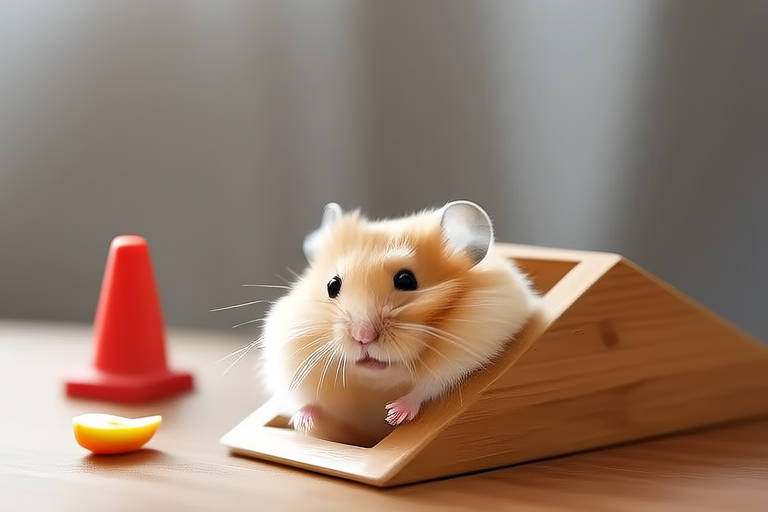
Training Tips: How to Teach Tricks to Your Golden Hamster
Welcome to the fascinating world of hamster training! Teaching your golden hamster tricks can be a rewarding experience for both you and your pet. Not only does it strengthen the bond between you, but it also provides mental stimulation for your furry friend. In this article, we will guide you through the process of teaching your golden hamster some simple tricks, ensuring that you have a fun and stress-free experience.
Step-by-Step Instructions on Basic Training Techniques Suitable for Golden Hamsters
Before diving into specific tricks, it’s important to understand the basics of hamster training. Hamsters are small, nocturnal creatures with limited attention spans, so patience and consistency are key.
- Choose the Right Time: Since hamsters are most active at night, it’s best to train them when they’re naturally awake. Early evening or late morning can be ideal times for short training sessions.
- Create a Comfortable Environment: Find a quiet, safe space where your hamster feels secure. A familiar area like their cage can work well, as long as there are no distractions.
- Use Positive Reinforcement: Reward your hamster with treats and praise when they perform desired behaviors. This method encourages repetition and helps your hamster associate good behavior with positive outcomes.
- Keep Sessions Short: Aim for brief training sessions, lasting no more than 10 minutes. Longer sessions can lead to fatigue and frustration for both you and your hamster.
- Be Patient: Remember, each hamster learns at its own pace. Some may pick up tricks quickly, while others might need more time and practice.
Common Tricks They Can Learn
With consistent training, your golden hamster can learn several entertaining tricks. Here are some popular ones:
- Sitting Up: Encourage your hamster to sit upright by gently pressing its back legs until it balances on its hind legs. Once it achieves the position, reward it with a treat. With practice, your hamster will learn to do this on command.
- Rolling Over: Gently place your hamster on its back and slowly roll it over. As soon as it rolls onto its side, offer a treat. Repeat this process until your hamster associates the action with the treat.
- Coming When Called: To teach your hamster to come when called, start by placing a treat near you and saying a specific word or phrase. Gradually move the treat further away, always calling out the same word or phrase. Eventually, your hamster will associate the sound with the treat and come running.
- Pulling Objects: Place a small, lightweight object near your hamster and encourage it to pull the item towards itself. Once it successfully moves the object, reward it with a treat. This trick can be adapted to different objects and distances.
Signs of Hamster Stress to Avoid During Training
It’s crucial to recognize signs of stress in your hamster to ensure that training remains a positive experience. Some common indicators include:
- Excessive Hiding: If your hamster spends more time hiding than usual, it may feel threatened or stressed.
- Frequent Freezing: Staying completely still for extended periods can indicate fear or anxiety.
- Increased Aggression: Biting or scratching can be signs of discomfort or stress.
- Reduced Activity: A normally active hamster that suddenly becomes lethargic may be stressed.
- Changes in Eating Habits: Loss of appetite or refusal to eat can signal distress.
Always stop training if you notice any of these signs and give your hamster time to relax and recover. Creating a stress-free environment is essential for successful training.
Recommended Treats for Positive Reinforcement
Choosing the right treats is vital for effective training. Opt for small, nutritious snacks that won’t upset your hamster’s diet. Some recommended options include:
- Hamster Pellets: These are specifically formulated for hamsters and provide balanced nutrition.
- Fruits: Small pieces of apples, bananas, or berries can serve as tasty rewards. However, limit fruit intake due to their sugar content.
- Vegetables: Carrot sticks, broccoli florets, and leafy greens are healthy choices. Ensure that all vegetables are thoroughly washed and free from pesticides.
- Seeds: Sunflower seeds and pumpkin seeds are high in fat and should be given sparingly as occasional treats.
Avoid treats that are high in sugar or artificial additives, as these can be harmful to your hamster’s health. Always introduce new foods gradually to monitor for any adverse reactions.
Tips for Maintaining Short and Frequent Training Sessions
To keep your hamster engaged and prevent burnout, follow these tips for managing training sessions:
- Set a Routine: Establish a regular training schedule, ideally at the same time each day. This helps your hamster anticipate training and stay focused.
- Start Small: Begin with simple commands and gradually increase the difficulty as your hamster becomes more comfortable.
- Mix It Up: Vary the tricks and commands to keep your hamster interested and challenged. Introducing new activities can prevent boredom.
- Take Breaks: Allow your hamster time to rest between sessions. This helps maintain its energy levels and prevents exhaustion.
- Stay Positive: Use a cheerful and encouraging tone during training. Your hamster can sense your mood, and a positive atmosphere fosters a better learning environment.
Remember, the goal of training is to create a strong, loving bond with your golden hamster. By following these tips and being patient, you’ll enjoy many rewarding moments together.
In conclusion, teaching your golden hamster tricks is a delightful way to deepen your relationship and provide mental stimulation. By understanding basic training techniques, recognizing signs of stress, using appropriate treats, and maintaining short, frequent sessions, you can make training a fun and enriching experience for both you and your pet. Happy training!
