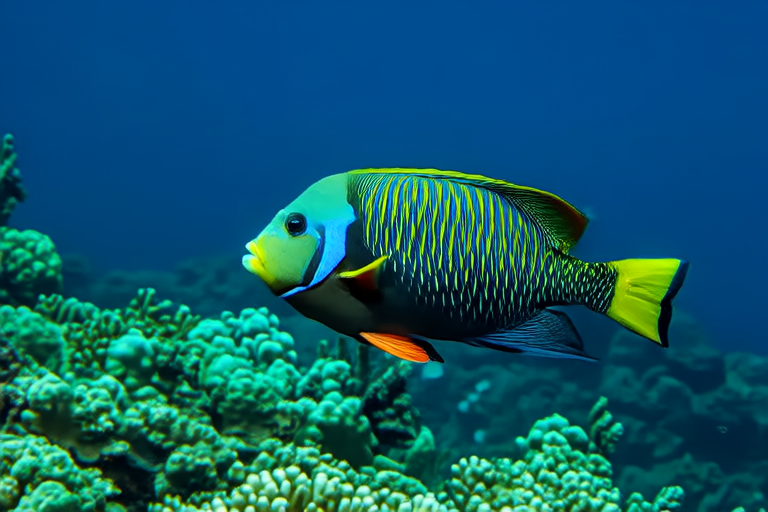
Meet the Masters of Disguise: Parrot Fish
In the vast and vibrant underwater world, few creatures can match the parrot fish when it comes to the art of disguise. These colorful and fascinating fish have long been a subject of intrigue for marine biologists and enthusiasts alike. Their remarkable ability to change colors and patterns makes them true masters of camouflage, allowing them to blend seamlessly into their environment. This article delves into the unique characteristics of parrot fish, their behavior, habitat, diet, and the significant ecological role they play in reef systems.
The Parrot Fish: A Brief Overview
Parrot fish belong to the family Scaridae and are found in tropical and subtropical waters around the globe. With over 90 species, these fish vary greatly in size, coloration, and behavior. They are known for their robust bodies, large scales, and beak-like mouths that give them their name. The parrot fish’s beak is made up of fused teeth that help them scrape algae off coral reefs. Their striking appearance is complemented by their ability to change colors and patterns, making them one of the most visually stunning fish in the ocean.
The Art of Camouflage
One of the most fascinating aspects of parrot fish is their ability to change colors and patterns to match their surroundings. This skill is not just for show; it serves as a vital tool for survival. By altering their appearance, parrot fish can avoid predators and sneak up on prey. This mimicry technique is particularly useful when they are resting or feeding, as it allows them to blend into the background and remain undetected.
The process of changing colors involves specialized cells called chromatophores, which contain pigments that reflect light. By expanding or contracting these cells, parrot fish can create a wide range of hues and patterns. Some species can even mimic the appearance of other animals, such as sea snakes or lionfish, further enhancing their camouflage abilities.
Habitat and Behavior
Parrot fish are primarily found in coral reefs, seagrass beds, and rocky shores in tropical and subtropical regions. They prefer areas with abundant algae growth, as this forms the bulk of their diet. These fish are generally diurnal, meaning they are most active during the day, and they spend much of their time grazing on algae-covered surfaces. At night, they often seek out crevices or caves for protection from predators.
Parrot fish exhibit a variety of social behaviors depending on their species. Some live in large schools, while others prefer to be solitary. Many species display complex mating rituals, where males compete for females by displaying bright colors and performing elaborate dances. After mating, the female releases eggs into the water, where they float freely until they hatch.
Diet and Feeding Habits
The diet of parrot fish is primarily based on algae, which they scrape off rocks and coral using their powerful beaks. This feeding method helps to maintain the health of coral reefs by preventing the overgrowth of algae, which can smother corals if left unchecked. In addition to algae, some species also consume small invertebrates and detritus.
The digestive system of parrot fish is uniquely adapted to handle the tough, fibrous material of algae. As they digest their food, the fish produce sand, which accounts for a significant portion of the sand found on tropical beaches. This process, known as biogenic sediment production, plays a crucial role in maintaining the balance of marine ecosystems.
The Ecological Role of Parrot Fish
Parrot fish play a vital role in maintaining the health and biodiversity of coral reefs. By controlling the growth of algae, they prevent the overpopulation of certain species, which could otherwise outcompete corals for space and nutrients. This ensures that coral reefs remain healthy and diverse, providing habitats for countless other marine species.
In addition to their role as grazers, parrot fish contribute to the formation of new coral reefs through their sand production. As they break down coral skeletons and other hard structures, they create fine particles that eventually settle on the ocean floor, forming the basis for future reef growth. This process helps to ensure the long-term sustainability of coral reef ecosystems.
Physical Characteristics and Interesting Facts
Parrot fish are known for their vibrant colors and distinctive physical features. Many species display striking patterns of blues, greens, yellows, and reds, which can change depending on their mood or environment. Their large scales provide protection from predators, while their beak-like mouths are perfectly adapted for scraping algae off surfaces.
Some species of parrot fish can grow quite large, with the largest reaching lengths of over three feet. Despite their size, they are relatively slow swimmers, relying more on their camouflage abilities than speed to avoid predators. Interestingly, many species of parrot fish also have a unique ability to sleep in a state of hypnosis, where they enter a trance-like state that helps protect them from potential threats.
Conservation Status and Threats
Unfortunately, many species of parrot fish face threats from human activities such as overfishing and habitat destruction. Coral reefs, which are home to many parrot fish species, are particularly vulnerable to climate change, pollution, and destructive fishing practices. To address these challenges, conservation efforts are underway to protect parrot fish and the ecosystems they inhabit.
Several organizations and governments have implemented measures to reduce fishing pressure on parrot fish populations and promote sustainable fishing practices. Additionally, efforts to restore damaged coral reefs and reduce pollution are helping to create healthier environments for parrot fish and other marine species.
Conclusion
The parrot fish are truly remarkable creatures, showcasing an extraordinary ability to adapt and thrive in their marine environments. Their unique camouflage skills, combined with their important ecological roles, make them a fascinating subject of study for marine biologists and enthusiasts alike. By understanding and appreciating the importance of these fish, we can work towards ensuring their continued survival and the health of the ecosystems they call home.
