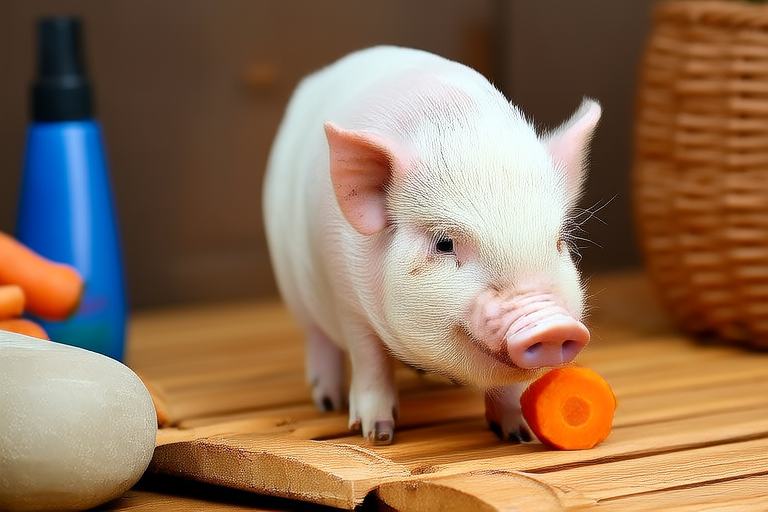
5 Essential Tips for Keeping Your Guinea Pig Happy and Healthy at Home
Welcome to the wonderful world of guinea pig ownership! These adorable, social creatures make fantastic pets, bringing joy and companionship into your home. However, like all animals, they require specific care to thrive. In this article, we will explore five essential tips to ensure your guinea pig remains happy and healthy. From dietary requirements to living space considerations, these guidelines will help you provide the best possible life for your pet.
1. A Nutritious Diet: The Foundation of Health
The cornerstone of a guinea pig’s health is a balanced and nutritious diet. These small mammals have unique dietary needs that must be met to prevent malnutrition and other health issues. A diet rich in vitamin C is particularly crucial, as guinea pigs cannot synthesize it themselves. Here are some key points to keep in mind:
- Fresh Vegetables: Offer a variety of fresh vegetables daily, such as kale, spinach, broccoli, and bell peppers. These provide essential vitamins and minerals, especially vitamin C.
- Fruits: While fruits are high in sugar, they can be given as occasional treats. Limit fruit consumption to once or twice a week to avoid digestive problems.
- Pellets: High-quality guinea pig pellets should form the base of their diet. Look for pellets specifically formulated for guinea pigs, which are fortified with additional vitamin C.
- Hay: Unlimited access to hay is vital. Timothy hay is ideal for most adult guinea pigs, while alfalfa hay can be given sparingly to younger, growing guinea pigs due to its higher calcium content.
- Water: Fresh, clean water is a must. Use a sipper bottle designed for guinea pigs to ensure constant access to hydration.
Remember, a varied diet promotes good digestion and overall health. Always introduce new foods gradually to monitor for any adverse reactions.
2. Creating the Perfect Living Space
A well-designed living space is essential for your guinea pig’s comfort and happiness. Proper housing provides a safe, stimulating environment that encourages natural behaviors. Consider the following when setting up your guinea pig’s home:
- Size Matters: The cage should be large enough to allow your guinea pig ample room to move around. Aim for at least 7.5 square feet per guinea pig, but larger is always better.
- Bedding: Use soft, absorbent bedding such as paper-based products or recycled newspaper. Avoid cedar and pine shavings, as they may irritate your guinea pig’s respiratory system.
- Shelter: Provide a cozy hideaway, such as a cardboard box or a commercial igloo, where your guinea pig can retreat for privacy and sleep.
- Toys: Enrichment is important. Supply chew toys, tunnels, and other items to stimulate your guinea pig’s mind and promote healthy chewing behavior.
- Cleanliness: Regular cleaning of the cage is necessary to maintain hygiene. Remove soiled bedding daily and perform a thorough cleaning of the entire cage weekly.
A comfortable, clean living space contributes significantly to your guinea pig’s mental and physical well-being.
3. Regular Exercise: Vital for Physical Fitness
Guinea pigs need regular exercise to stay fit and healthy. Encouraging activity helps prevent obesity and keeps your pet mentally stimulated. Here are some ways to ensure your guinea pig gets adequate exercise:
- Playtime Outside the Cage: Allow supervised playtime outside the cage each day. This gives your guinea pig the opportunity to explore and run around safely.
- Exercise Wheels: If your guinea pig enjoys running, consider purchasing a wheel designed specifically for guinea pigs. Ensure the wheel is large enough to prevent injury.
- Interactive Play: Engage your guinea pig in interactive play sessions using toys and treats. This not only promotes exercise but also strengthens your bond.
- Outdoor Time: On warm, sunny days, take your guinea pig outdoors for supervised time in a secure, predator-proof area. Ensure there are no toxic plants nearby.
Regular exercise is crucial for maintaining a healthy weight and preventing boredom-related behaviors.
4. Grooming Needs: Maintaining Cleanliness and Comfort
Proper grooming is essential for keeping your guinea pig clean, comfortable, and free from skin issues. Regular grooming also allows you to check for any signs of illness or injury. Here’s how to care for your guinea pig’s coat:
- Bathing: Guinea pigs rarely need baths. Overbathing can strip their skin of natural oils, leading to dryness and irritation. Spot-clean as needed using a damp cloth.
- Brushing: Brush your guinea pig regularly, especially if they have long hair. This helps remove loose fur and prevents matting.
- Nail Trimming: Trim your guinea pig’s nails every few weeks to prevent overgrowth. Use nail clippers made for small animals and be careful not to cut the quick, which contains blood vessels.
- Tooth Care: Check your guinea pig’s teeth regularly. Overgrown teeth can cause pain and difficulty eating. Provide plenty of hay and chew toys to help naturally wear down their teeth.
- Ear and Eye Care: Clean your guinea pig’s ears and eyes gently if necessary. Use a soft cloth moistened with warm water to wipe away any debris.
Grooming your guinea pig not only keeps them looking their best but also ensures they remain healthy and comfortable.
5. Veterinary Care: Preventive Measures and Early Detection
Regular veterinary care is essential for maintaining your guinea pig’s health. Early detection of potential health issues can prevent serious complications. Here are some steps to ensure your guinea pig receives proper medical attention:
- Initial Visit: Schedule an initial visit with a veterinarian who specializes in exotic pets within the first month of bringing your guinea pig home. This helps establish a baseline for their health.
- Vaccinations: While there are no vaccines specifically for guinea pigs, vaccinations are available for rabbits, which can sometimes be extended to guinea pigs. Consult your vet about the best course of action.
- Annual Check-ups: Schedule annual check-ups to monitor your guinea pig’s overall health. These visits allow your vet to catch any developing issues early.
- Dental Exams: Annual dental exams are crucial. Teeth problems can lead to significant health issues if left untreated. Your vet can trim overgrown teeth if necessary.
- Emergency Care: Be prepared for emergencies by having a list of local veterinarians who specialize in small animals. Keep emergency contact information readily accessible.
By prioritizing regular veterinary care, you can ensure your guinea pig lives a long, healthy life.
Conclusion
By following these five essential tips, you can provide a loving, nurturing environment for your guinea pig. Remember, a healthy guinea pig is a happy one. With proper diet, suitable living space, regular exercise, appropriate grooming, and consistent veterinary care, you can enjoy many years of companionship with your furry friend. Whether you’re a first-time owner or a seasoned guinea pig caretaker, these guidelines will help you give your pet the best possible life. Happy guinea pig parenting!
