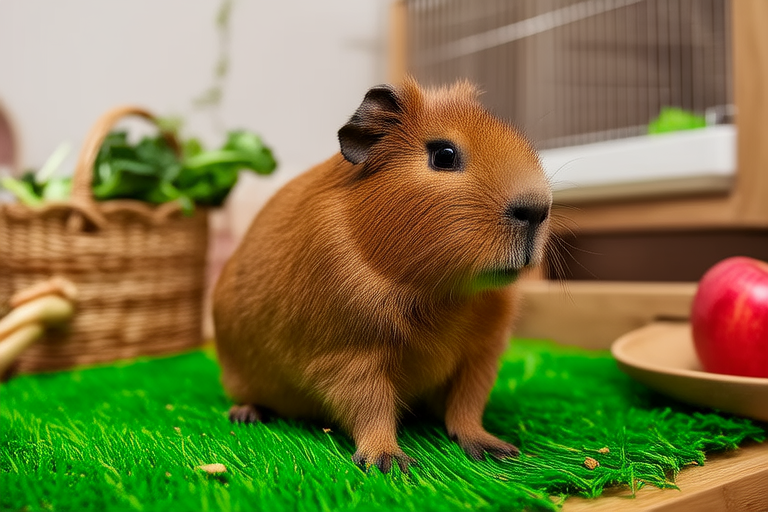
7 Secrets to Keeping Your Guinea Pig Happy and Healthy at Home
Welcome to the wonderful world of guinea pig ownership! These charming little creatures bring joy and companionship into our lives. However, it’s essential to understand their specific needs to ensure they lead happy, healthy lives. This guide will walk you through seven key areas: proper diet, housing, exercise, social interaction, grooming, healthcare, and environmental enrichment. By following these secrets, you’ll provide your guinea pig with a high-quality life and strengthen your bond.
Secret 1: Proper Diet – The Foundation of Health
A balanced diet is crucial for your guinea pig’s overall health. Guinea pigs require a mix of hay, fresh vegetables, and pellets. Timothy hay should make up the bulk of their diet, as it aids digestion and maintains dental health. Fresh vegetables like carrots, bell peppers, and leafy greens offer essential vitamins, particularly vitamin C, which guinea pigs cannot produce themselves.
Ensure your guinea pig has constant access to clean water. A water bottle attached to the cage prevents contamination and keeps water fresh. Avoid feeding them foods high in sugar or fat, as these can lead to obesity and other health issues. Consult your veterinarian for a tailored diet plan based on your guinea pig’s age, weight, and activity level.
Secret 2: Ideal Housing – Creating a Comfortable Environment
Your guinea pig’s home should be spacious, safe, and comfortable. A cage measuring at least 7.5 square feet provides ample space for movement and exploration. Line the bottom with absorbent bedding, such as paper-based products or fleece, to maintain cleanliness. Avoid cedar and pine shavings, as they may cause respiratory problems.
Provide hiding spots, tunnels, and platforms to stimulate natural behaviors. These elements encourage mental stimulation and reduce stress. Position the cage away from direct sunlight, drafts, and noisy areas. Regular cleaning is vital; spot-clean daily and perform a thorough cleaning weekly to prevent bacterial growth.
Secret 3: Daily Exercise – Encouraging Physical Activity
Guinea pigs need regular exercise to stay fit and healthy. Allow supervised playtime outside the cage daily, providing opportunities for exploration and physical activity. Use a safe, enclosed area free from hazards, such as electrical cords or small objects that could be swallowed.
Interactive toys and tunnels further promote exercise and mental engagement. Rotate toys periodically to keep your guinea pig interested and challenged. Encourage gentle handling during playtime to strengthen your bond and improve socialization skills. Always supervise your guinea pig during play sessions to ensure their safety.
Secret 4: Social Interaction – Building Strong Relationships
Social interaction is vital for your guinea pig’s emotional well-being. Guinea pigs are social animals that thrive in pairs or groups. Introducing another guinea pig gradually helps them establish a positive relationship. Ensure both pets have adequate space and resources to minimize competition and stress.
Handle your guinea pig gently and frequently to build trust and confidence. Spend time talking, playing, and interacting with them daily. This social interaction strengthens your bond and provides emotional support. Avoid sudden movements or loud noises that might startle your guinea pig.
Secret 5: Grooming – Maintaining Cleanliness and Health
Grooming is essential for maintaining your guinea pig’s appearance and health. Regular brushing helps remove loose hair and prevent matting. Pay special attention to long-haired breeds, as they require more frequent grooming. Trim nails when necessary to prevent overgrowth and discomfort.
Check your guinea pig’s teeth regularly for signs of overgrowth or misalignment. Overgrown teeth can cause pain and difficulty eating. Consult your veterinarian if you notice any issues. Bathing should be infrequent, typically once every few months, as excessive bathing can dry out their skin. Use a mild, pet-safe shampoo and warm water, ensuring thorough rinsing to avoid irritation.
Secret 6: Healthcare – Preventive Care and Regular Vet Visits
Preventive care is critical for your guinea pig’s long-term health. Schedule regular veterinary check-ups, ideally twice a year, to monitor their overall health and catch potential issues early. Your veterinarian can provide vaccinations, administer deworming treatments, and offer guidance on maintaining a healthy lifestyle.
Be vigilant about common health issues, such as dental problems, respiratory infections, and skin conditions. Early detection and treatment can prevent complications and improve outcomes. Familiarize yourself with signs of illness, including lethargy, loss of appetite, changes in bathroom habits, or unusual behavior. Contact your veterinarian immediately if you suspect your guinea pig is unwell.
Secret 7: Environmental Enrichment – Stimulating Mental and Physical Well-Being
Environmental enrichment enhances your guinea pig’s quality of life by providing mental and physical stimulation. Offer a variety of toys, tunnels, and platforms to encourage exploration and problem-solving. Rotate toys periodically to maintain interest and challenge.
Introduce novel items, such as cardboard boxes or paper bags, for safe play and entertainment. Create hiding spots and tunnels to mimic natural burrowing behaviors. Incorporate foraging activities, where treats are hidden within the environment, promoting natural foraging instincts. Environmental enrichment fosters mental and physical well-being, reducing stress and boredom.
Conclusion
Caring for a guinea pig requires commitment and dedication. By implementing these seven secrets, you’ll create a nurturing environment that promotes happiness and health. Remember, a healthy guinea pig is a happy one. Regular vet visits, proper diet, and daily interaction are essential components of their well-being. With love, patience, and attention, your guinea pig will thrive and bring endless joy into your life.
