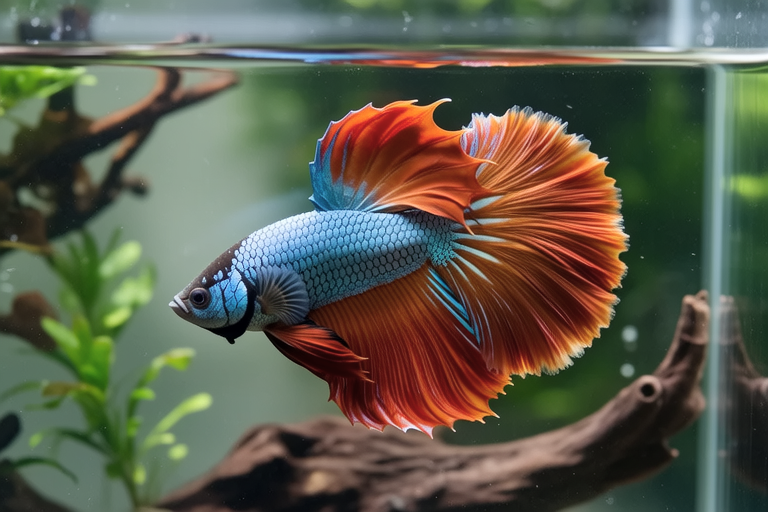
Ultimate Guide to Keeping Your Betta Healthy and Happy
Welcome to the comprehensive guide on how to ensure your betta fish leads a healthy and happy life. Whether you’re a seasoned aquarist or a first-time fish owner, this guide will cover everything you need to know about keeping your betta thriving. From setting up the perfect tank to maintaining it, we’ll delve into every aspect of betta care.
Ideal Tank Setup
The first step in providing your betta with a suitable environment is creating an ideal tank setup. Betta fish are often kept in small containers, but they actually thrive in larger spaces. A minimum tank size of 5 gallons is recommended, but larger tanks are even better. This provides more space for swimming and reduces stress.
When choosing decorations, opt for items that offer hiding spots and mimic natural environments. Live or silk plants can be beneficial, but avoid sharp-edged or overly dense decorations that might cause injury. Additionally, include some floating plants to provide shade and a sense of security.
Appropriate Water Conditions
Water quality plays a crucial role in the health of your betta. Maintain a temperature between 76°F and 82°F (24°C to 28°C) and a pH level between 6.5 and 7.5. Regularly test the water parameters to ensure they remain within these ranges.
Adequate filtration is also important. It helps maintain clean water and ensures proper oxygenation. However, be cautious with strong currents as bettas are labyrinth breathers and prefer gentle water flow. Consider using an air stone or sponge filter to provide adequate oxygen without disturbing the water’s surface too much.
Diet Specifics for Optimal Nutrition
Bettas are carnivorous and require a balanced diet rich in protein. High-quality betta pellets, frozen or freeze-dried foods such as bloodworms and brine shrimp, and occasional live food can be offered. Feed your betta small portions twice daily, ensuring each meal lasts no longer than five minutes.
Varying their diet helps prevent nutritional deficiencies and keeps them interested in feeding. Avoid overfeeding, as excess food can pollute the water and lead to health issues.
Common Health Issues and Prevention Methods
Like any pet, bettas can suffer from various health problems. Fin rot, popeye, and swim bladder disorders are common ailments. Fin rot manifests as frayed or discolored fins and can be treated with antibiotics or antifungal medications. Popeye, characterized by bulging eyes, may result from poor water quality or physical trauma. Swim bladder disorder causes buoyancy issues and can be managed by improving water conditions and offering easily digestible foods.
To prevent these issues, maintain excellent water quality, quarantine new fish before introducing them to your tank, and observe your betta regularly for signs of distress. Early intervention is key to successful treatment.
Exercise and Enrichment Activities
Bettas are active swimmers, so providing opportunities for exercise is vital. In addition to having ample space, consider incorporating toys or objects that encourage exploration and play. Floating toys or sinking treats can stimulate their natural hunting instincts while keeping them entertained.
Engaging in regular interactive play sessions outside of the tank can also enhance their well-being. Use a small container filled with dechlorinated water to gently scoop your betta out of its tank. Allow it to explore for short periods under supervision before returning it safely back home.
Proper Handling Techniques
Handling bettas requires gentleness and care. Always use a soft net or cup lined with wet paper towels when transferring them. Support their body fully during transportation and minimize handling time to reduce stress.
If you need to move your betta to another container temporarily, ensure both environments have similar water conditions. Gradually acclimate them by floating the new container in the existing tank for about 15 minutes before making the transfer.
Regular Maintenance Tips for the Tank
Maintaining a clean and stable environment is essential for your betta’s long-term health. Perform weekly partial water changes of around 25% to remove waste products and replenish beneficial bacteria. Clean filters and decorations as needed, but avoid over-cleaning which could disrupt the bacterial balance.
Monitor water parameters closely and address any fluctuations promptly. Regular maintenance not only promotes good health but also extends the lifespan of your beloved pet.
In conclusion, by following these guidelines, you can create a thriving habitat for your betta fish. Remember that patience and attention to detail go a long way in ensuring their happiness and longevity. With proper care, your betta will reward you with vibrant colors and lively behavior for years to come.
