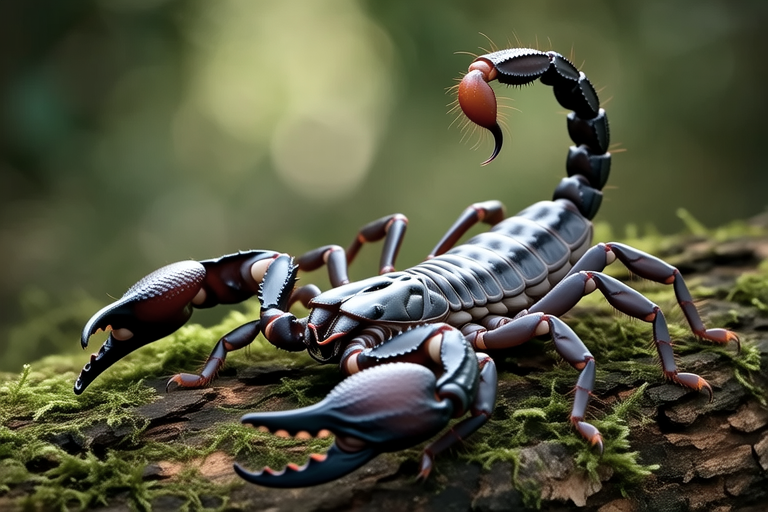
The Mysterious Asian Forest Scorpion: Heterometrus Spinifer
Welcome to the fascinating world of the Heterometrus spinifer, commonly known as the Asian forest scorpion. This enigmatic creature is a true marvel of nature, captivating the hearts of arachnophiles and wildlife enthusiasts alike. With its distinctive appearance and intriguing behavior, the Asian forest scorpion stands out as one of the most remarkable species in the animal kingdom.
Physical Characteristics
The Asian forest scorpion, or Heterometrus spinifer, is a medium-sized scorpion, typically measuring between 7 to 12 centimeters in length. Its body is characterized by a robust and elongated structure, perfectly adapted to its arboreal lifestyle. One of the most striking features of this scorpion is its hairiness. The fine hairs covering its body serve multiple purposes, including sensory perception. These sensitive bristles help the scorpion detect vibrations in its environment, allowing it to navigate through dense foliage with ease. Additionally, these hairs play a crucial role in the detection of potential prey and predators, ensuring the scorpion’s survival in its challenging habitat.
Nocturnal Habits and Mysterious Nature
Like many scorpions, the Asian forest scorpion is predominantly nocturnal. It spends its days hidden beneath rocks, logs, or within the crevices of trees, emerging only under the cover of darkness to hunt for food. This secretive lifestyle has contributed to the air of mystery that surrounds the species. The Asian forest scorpion’s preference for the night allows it to avoid the harsh sunlight and intense heat of the day, making it an elusive and rarely seen creature. Its nocturnal habits also make it a challenge for researchers and enthusiasts alike, who must rely on patience and specialized equipment to observe this fascinating creature in its natural habitat.
Habitat Preferences
The Asian forest scorpion thrives in the lush and dense environments of tropical and subtropical forests across Asia. These regions provide the ideal conditions for the scorpion’s survival, offering ample shelter, humidity, and an abundance of prey. The scorpion’s preferred habitat includes areas with thick vegetation, rocky outcrops, and decaying wood, all of which offer protection from predators and harsh weather conditions. Within these dense forests, the scorpion can find the perfect balance between seclusion and sustenance, making it a well-adapted resident of its ecosystem.
Ecosystem Role and Diet
The Asian forest scorpion plays a vital role in maintaining the delicate balance of its ecosystem. As a predator, it helps control populations of smaller insects and other arthropods, preventing overpopulation and ensuring the health of the forest. The scorpion’s diet primarily consists of small insects such as crickets, beetles, and spiders. It uses its powerful pincers to grasp and crush its prey, while venomous stingers deliver a paralyzing blow. The venom of the Asian forest scorpion is potent enough to immobilize its victims, but it poses little threat to humans. In fact, the venom is being studied for its potential medicinal properties, offering hope for new treatments in the field of medicine.
Unique Behaviors
One of the most fascinating aspects of the Asian forest scorpion is its unique mating behavior. During the breeding season, males engage in elaborate courtship dances, waving their pincers and performing intricate movements to attract females. Once a suitable mate is found, the male deposits a spermatophore, which the female then collects to fertilize her eggs. After mating, the female carries the developing embryos internally until they hatch, a process that can take several months. This maternal care ensures the survival of the offspring, increasing the chances of successful reproduction and the continuation of the species.
Conservation Status and Threats
Despite its resilience and adaptability, the Asian forest scorpion faces numerous threats to its survival. Habitat destruction, deforestation, and urbanization have significantly reduced the availability of suitable habitats for the scorpion. The loss of its natural environment not only deprives the scorpion of essential resources but also exposes it to increased predation and competition. Additionally, climate change poses a significant threat to the species, as rising temperatures and altered rainfall patterns can disrupt the delicate balance of its ecosystem. Conservation efforts are underway to protect the Asian forest scorpion and its habitat, but much work remains to be done to ensure the long-term survival of this magnificent creature.
Safety Tips for Encounters with Humans
While the Asian forest scorpion may appear intimidating due to its size and appearance, it poses little threat to humans. Encounters with the scorpion are rare, but if you find yourself in close proximity to one, it is important to remain calm and avoid sudden movements. If you are bitten by the scorpion, seek medical attention immediately, as the venom can cause localized pain and swelling. However, rest assured that the venom is generally not life-threatening to humans. To minimize the risk of encounters, wear protective clothing when exploring areas where the scorpion may be present, and avoid disturbing its natural habitat.
Myths Surrounding the Species
Throughout history, the Asian forest scorpion has been the subject of numerous myths and legends, often portrayed as a fearsome and dangerous creature. While the scorpion’s appearance may seem threatening, it is, in reality, a gentle and non-aggressive species. Many myths suggest that the scorpion’s sting is fatal to humans, but this is far from the truth. The venom of the Asian forest scorpion is primarily used for hunting and defense, posing little threat to larger animals, including humans. By dispelling these myths and promoting accurate information about the species, we can foster a greater appreciation and understanding of the Asian forest scorpion and its place in the natural world.
Conclusion
The Asian forest scorpion, or Heterometrus spinifer, is a truly remarkable creature, with its unique physical characteristics, nocturnal habits, and vital role in its ecosystem. From its hairy body aiding in sensory perception to its intricate mating rituals, this scorpion continues to captivate and intrigue those fortunate enough to encounter it. By raising awareness about the species and the challenges it faces, we can work together to protect the Asian forest scorpion and ensure its survival for generations to come. So next time you find yourself wandering through the dense forests of Asia, keep your eyes peeled for this mysterious and enchanting creature. Who knows, you might just catch a glimpse of the elusive Asian forest scorpion in its natural habitat!
