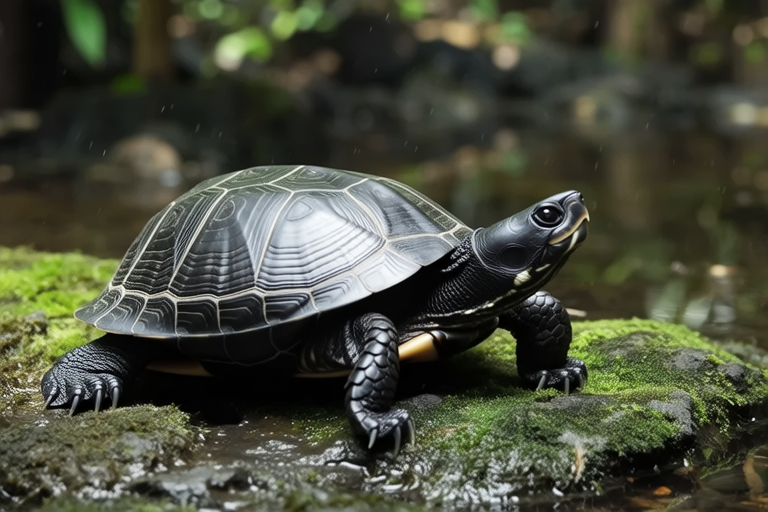
Top 10 Fun Facts About the Fascinating Three-Striped Box Turtle
The three-striped box turtle (Amblyhydrus trivittatus) is a small but captivating reptile that has captured the hearts of nature enthusiasts and scientists alike. Native to parts of Central America and southern Mexico, this turtle boasts unique physical features and behaviors that set it apart from other turtle species. Let’s dive into ten fun and fascinating facts about the three-striped box turtle.
1. Distinctive Markings
One of the most striking features of the three-striped box turtle is its vibrant coloration. As its name suggests, this turtle has three distinctive yellow stripes running down the center of its dark brown or black shell. These stripes serve as camouflage, helping the turtle blend into its environment while also acting as a warning signal to potential predators. The bright colors can indicate to predators that the turtle may be toxic or unpalatable, thanks to its diet rich in plants and insects that might contain defensive chemicals.
2. A Master of Self-Protection
The three-striped box turtle possesses one of the most remarkable defense mechanisms in the animal kingdom: its hinged plastron. This flexible lower shell allows the turtle to completely enclose itself, creating a near-impenetrable fortress against threats. When feeling threatened, the turtle pulls its head and limbs inside its shell and closes the plastron, leaving only a tiny gap through which it can still breathe. This adaptation has been crucial for the turtle’s survival in its natural habitat.
3. Habitat Preferences
Three-striped box turtles thrive in diverse environments, including tropical forests, grasslands, and even semi-arid regions. They are particularly fond of areas with plenty of vegetation, where they can find shelter under logs, rocks, or dense foliage. These turtles prefer moist soil, often burrowing into the ground during hot weather to regulate their body temperature. Their adaptability to various habitats makes them a resilient species.
4. Omnivorous Diet
These turtles are opportunistic feeders, meaning they will eat whatever is available. Their diet consists primarily of plant matter such as fruits, leaves, and flowers, but they also consume insects, worms, and other small invertebrates. This varied diet provides the nutrients necessary for their growth and survival. Interestingly, their taste preferences can change throughout the year, reflecting seasonal availability of food sources.
5. Longevity and Slow Growth
Three-striped box turtles have a remarkably long lifespan, often living up to 30 years in the wild. However, their growth rate is relatively slow, making it challenging for them to reach maturity quickly. In captivity, these turtles can live even longer, sometimes exceeding 40 years, if provided with proper care and nutrition. This longevity contributes to their conservation status, as it takes many years for populations to recover from threats like habitat destruction or illegal pet trade.
6. Seasonal Activity
The activity patterns of three-striped box turtles are closely tied to the seasons. During the warmer months, they are highly active, spending much of their time searching for food and mates. As temperatures drop in autumn, they become less active and eventually enter a state of dormancy known as brumation. Unlike hibernation, which involves complete metabolic shutdown, brumation allows the turtles to periodically wake up and move around, especially during mild spells.
7. Mating Rituals
Mating among three-striped box turtles is a complex and fascinating process. Male turtles engage in courtship behaviors that involve head bobbing, nipping, and circling the female. Once a pair successfully mates, the female lays her eggs in a shallow nest she digs in soft soil. Typically, each clutch contains between 1 and 8 eggs, and females may lay multiple clutches throughout the breeding season. The incubation period lasts around 90 days, after which the hatchlings emerge fully formed and ready to face the world.
8. Adaptations for Survival
In addition to their hinged plastron and omnivorous diet, three-striped box turtles have several other adaptations that aid in their survival. For instance, they possess strong claws that help them dig nests and burrows. Their sharp eyesight allows them to spot potential threats or prey from a distance. Furthermore, their ability to absorb water through their skin helps them conserve moisture in arid environments, ensuring they stay hydrated even when water sources are scarce.
9. Cultural Significance
The three-striped box turtle holds cultural significance in some indigenous communities within its range. In these societies, the turtle is often revered for its resilience and wisdom. Legends and myths involving the turtle teach valuable lessons about patience, perseverance, and the importance of adapting to changing circumstances. Additionally, the turtle’s presence in local ecosystems underscores the need for environmental stewardship and conservation efforts.
10. Conservation Challenges
Despite their adaptability, three-striped box turtles face numerous challenges that threaten their survival. Habitat loss due to deforestation and agricultural expansion is one of the primary concerns. Pollution, climate change, and overcollection for the pet trade further exacerbate the situation. Conservationists are working tirelessly to protect these turtles by establishing protected areas, raising awareness, and implementing sustainable practices that benefit both the turtles and their ecosystems.
In conclusion, the three-striped box turtle is a remarkable creature with a wealth of interesting traits and behaviors. From its striking appearance to its impressive survival strategies, this small turtle offers endless fascination for those who take the time to learn about it. By understanding and appreciating these unique animals, we can better ensure their continued existence in the wild for future generations to enjoy.
