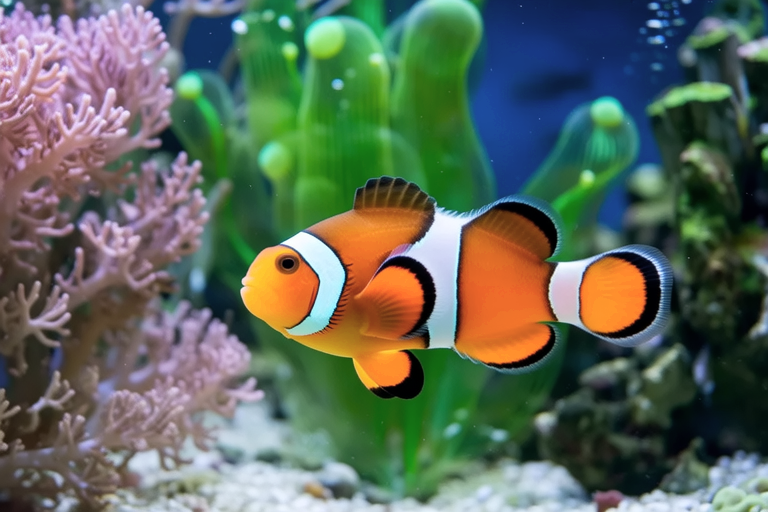
From Ocean to Tank: The Complete Guide to Keeping Clownfish as Pets
Introduction
Clownfish, scientifically known as Amphiprioninae, are some of the most popular and recognizable saltwater fish among aquarists. These vibrant, striped fish have captivated enthusiasts due to their striking appearance and relatively easy care requirements. Originating from the tropical and subtropical waters of the Pacific and Indian Oceans, clownfish are found living symbiotically with sea anemones, providing a unique and fascinating relationship for aquarium hobbyists. Their adaptability, coupled with their vibrant colors, makes them ideal candidates for both novice and experienced aquarists.
Natural Habitat and Species Diversity
In their natural habitat, clownfish are commonly found in coral reefs, lagoons, and seaward reefs. They thrive in warm, shallow waters where temperatures range between 72-84°F (22-29°C). There are approximately thirty species of clownfish, each exhibiting distinct patterns and colorations. The most well-known species include the ocellaris clownfish (Amphiprion ocellaris), the percula clownfish (Amphiprion percula), and the tomato clownfish (Amphiprion frenatus).
Each species has its own specific traits and care requirements. For instance, the ocellaris clownfish is more adaptable to various tank conditions, while the percula clownfish requires slightly more stable water parameters. Understanding these differences can help aquarists choose the right species for their tank.
Why Clownfish Make Great Pets
Clownfish are not only visually appealing but also exhibit interesting behaviors that make them enjoyable to watch. They are generally peaceful, making them excellent additions to community tanks. Additionally, they are relatively hardy compared to other marine species, which means they can withstand occasional lapses in water quality or maintenance routines.
One of the most attractive features of clownfish is their compatibility with sea anemones in captivity. This symbiotic relationship, where the fish provide food scraps to the anemone and the anemone offers protection to the fish, can be replicated in a well-maintained aquarium, enhancing the aesthetic appeal of the tank.
Tank Setup
Setting up a proper tank environment is crucial for the health and longevity of your clownfish. A minimum tank size of 30 gallons is recommended for a single pair or trio of clownfish, although larger tanks provide more stability and space for growth. The tank should be equipped with a robust filtration system capable of handling the bioload of the inhabitants and maintaining water quality.
Water parameters are critical for clownfish health. Aim for a pH level between 8.1 and 8.4, a specific gravity of 1.020-1.025, and a temperature range of 76-82°F (24-28°C). Regular testing and adjustment of these parameters will ensure a healthy environment. A good filtration system is essential, combining mechanical, biological, and chemical filtration to maintain clean, oxygen-rich water.
Decorations play a significant role in creating a stimulating environment for your clownfish. Incorporate live rock, coral, and plants to mimic their natural reef habitat. Ensure there are hiding spots and caves for the fish to retreat into when stressed. Anemones, while optional, can enhance the tank’s aesthetics and provide additional shelter.
Suitable Tank Mates
Choosing appropriate tank mates is vital for maintaining harmony within the tank. Clownfish are generally peaceful and can coexist with other non-aggressive species. Suitable companions include small to medium-sized peaceful fish like cardinal tetras, guppies, and certain shrimp species. Avoid aggressive or territorial fish that may bully the clownfish.
It’s important to consider the compatibility of potential tank mates with the specific clownfish species you have. Some species may be more territorial than others, so research thoroughly before introducing new fish.
Diet Requirements
Clownfish are omnivorous, meaning they require a balanced diet consisting of both plant and animal matter. In the wild, their diet primarily consists of algae, plankton, and small invertebrates. In captivity, provide a varied diet including high-quality flake foods, pellets, frozen foods such as brine shrimp, and occasional treats like mysis shrimp or bloodworms. Feed them twice daily, offering as much food as they can consume within a few minutes to prevent overfeeding.
Ensure the diet is nutritionally balanced to support their growth and overall health. Over time, you may notice preferences for certain types of food, adjusting the diet accordingly to meet their needs.
Feeding Tips and Water Quality Maintenance
Consistent feeding schedules help regulate digestion and metabolism. Avoid overfeeding, which can lead to poor water quality and health issues. Monitor the amount of uneaten food to adjust future feedings. Additionally, perform regular water changes—about 10-20% weekly—to maintain optimal water quality. Skimming, protein skimming, and carbon filtration can further aid in keeping the water clean.
Regular maintenance also includes cleaning filters and monitoring equipment to ensure everything is functioning properly. Proper care will keep your clownfish thriving and reduce the risk of diseases.
Common Health Issues and Prevention
Like all aquatic animals, clownfish can face various health issues. Common problems include ich, bacterial infections, and parasitic infestations. Early detection and treatment are key to preventing these issues from escalating. Symptoms such as lethargy, loss of appetite, and abnormal swimming behavior should prompt immediate action.
To prevent health issues, maintain pristine water conditions and quarantine new fish before introducing them to the main tank. Quarantine helps identify any potential illnesses and ensures the new addition won’t introduce pathogens to the existing community.
Breeding Clownfish in Captivity
Breeding clownfish can be a rewarding endeavor for advanced aquarists. It starts with selecting a compatible male and female pair, often identified by their behavior and physical characteristics. Providing a suitable breeding environment is crucial; this includes ample hiding spots, a well-balanced diet, and stable water conditions.
Eggs are typically laid on a flat surface, such as a rock or the glass of the tank. The male clownfish will guard the eggs until they hatch, usually after about one week. Once hatched, the fry will need to be fed micro-foods like rotifers and newly hatched brine shrimp. As they grow, gradually introduce more substantial foods.
Breeding can be challenging but rewarding, offering the opportunity to observe the entire lifecycle of these fascinating fish.
Conclusion
Keeping clownfish as pets offers a delightful experience for aquarists of all levels. From understanding their natural habitat and choosing the right species to setting up an appropriate tank and ensuring their health, every step contributes to the success of keeping these vibrant creatures. By following the guidelines outlined in this guide, you can enjoy a thriving, colorful, and healthy community of clownfish in your home aquarium.
