Siberian Huskies: Beyond the Arctic Beauty
The Siberian Husky, with its striking blue or multi-colored eyes and thick, plush coat, has captured the hearts of many. Originating from the harsh, cold regions of northeastern Asia, this breed has a rich history deeply rooted in sledding and companionship. This article delves into the origins, physical attributes, temperament, health, diet, and care of Siberian Huskies, providing insights that will be invaluable to both current and prospective owners.
Origins and Historical Role
Siberian Huskies trace their lineage back to the Chukchi people of northeastern Siberia. These indigenous people relied heavily on these dogs for transportation across vast, icy terrains. The Chukchis bred Huskies for endurance, strength, and resilience, making them ideal for pulling sleds over long distances under challenging conditions. Their role was not merely functional; they were also cherished as loyal companions, living closely with their human families.
Physical Characteristics
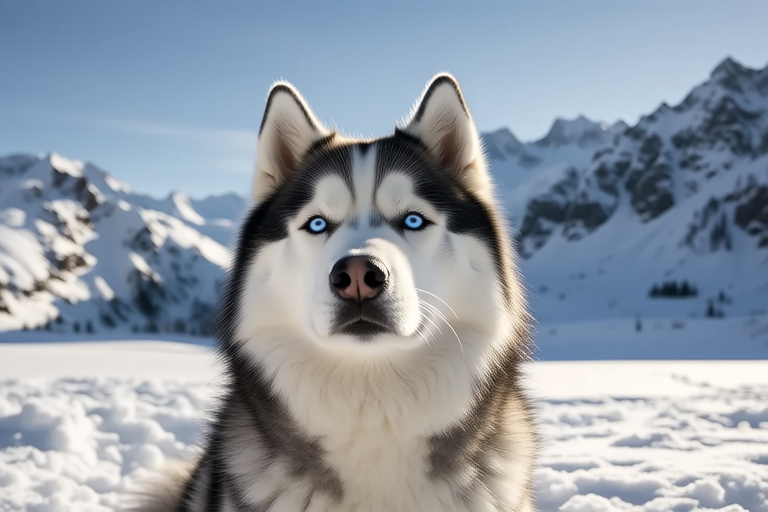
One glance at a Siberian Husky, and it’s easy to see why they’re often referred to as ‘Arctic Beauties.’ They possess a medium-sized frame, standing about 20 to 23.5 inches tall at the shoulder, with males typically larger than females. Their most distinctive feature is their double coat, which provides excellent insulation against the cold. The outer coat is made up of straight, coarse guard hairs, while the undercoat is soft and dense. Colors range from pure white to black, with various combinations in between, including gray, tan, and copper.
Another notable characteristic is their eyes, which can be strikingly blue, brown, or a combination of both, sometimes even appearing heterochromic (two different colors). Their ears are triangular and set high on the head, standing erect like small flags. The tail is bushy and curled over the back, resembling a fox’s tail. All these features contribute to their unique appearance, setting them apart from other breeds.
Temperament
Beyond their physical beauty lies a temperament that is as captivating as their looks. Siberian Huskies are known for their intelligence, loyalty, and playful nature. Despite their independent streak, they form strong bonds with their human families. Their intelligence means they can learn quickly, but this also requires consistent training to keep them engaged and prevent boredom.
High-energy levels are another hallmark of the breed. Originally bred for endurance, Huskies have an inherent need for regular exercise. Without sufficient outlets for their energy, they may become destructive or overly vocal. However, when properly exercised, they are affectionate and gentle, especially around children. Their loyalty is unwavering, and they thrive on interaction with their human companions.
Health Considerations
Like all breeds, Siberian Huskies come with certain health considerations. Common issues include hip dysplasia, which affects the hip joint, and progressive retinal atrophy, an eye condition that can lead to blindness. Regular veterinary check-ups and genetic testing can help identify and manage these conditions early.
Another important consideration is their susceptibility to overheating. Due to their thick coats, Huskies are more comfortable in cooler temperatures. In warmer climates, they require special attention to ensure they stay cool and hydrated. Providing ample shade, cool water, and opportunities to swim can help mitigate the risk of heat-related illnesses.
Dietary Needs
A balanced diet is crucial for maintaining the health and vitality of a Siberian Husky. High-quality dog food that meets their nutritional needs is essential. Huskies require a diet rich in protein and fat to support their active lifestyle. Foods that are grain-free or limited in grains are often preferred to avoid potential allergies or sensitivities. It’s important to consult with a veterinarian to determine the best diet for your Husky, taking into account their age, weight, activity level, and any specific health concerns.
Exercise Requirements
Given their heritage as working dogs, Siberian Huskies have a high demand for physical activity. Daily walks are insufficient; they require more vigorous exercise such as running, hiking, or participating in dog sports like agility or lure coursing. Access to a large yard where they can run freely is beneficial. Interactive play sessions also help stimulate their minds and provide mental enrichment.
Advice for Potential Owners
For those considering adding a Siberian Husky to their family, several factors should be taken into account. Training is key, starting with basic commands and gradually progressing to more complex tasks. Positive reinforcement techniques work well with this breed, rewarding good behavior with treats, praise, and playtime.
Understanding their pack instincts is crucial. Siberian Huskies have a natural tendency to follow a leader, so it’s important to establish yourself as the alpha in a gentle but firm manner. Consistency in training and clear communication are vital.
Finally, consider the time commitment involved. While Huskies are loving and loyal companions, they require significant attention and care. Prospective owners should ensure they have the resources and lifestyle that can accommodate a high-energy, intelligent dog.
Conclusion
Siberian Huskies are much more than just beautiful dogs; they are resilient, loyal, and energetic companions with a fascinating history. By understanding their origins, physical traits, temperament, and specific care needs, owners can provide the love and care necessary for these magnificent animals to thrive. Whether you’re a seasoned dog owner or new to the experience, a Siberian Husky can bring joy and adventure into your life.
