Leopard Geckos: Gentle Giants of the Reptile World
Welcome to the fascinating world of leopard geckos! These charming reptiles have captured the hearts of many pet lovers with their unique appearance and gentle demeanor. Their distinctive spots and vibrant colors make them visually striking, while their easygoing nature makes them delightful companions. In this article, we will explore the physical characteristics of leopard geckos, delve into why they are fantastic pets, and provide useful tips for those considering adopting one.
A Unique Appearance
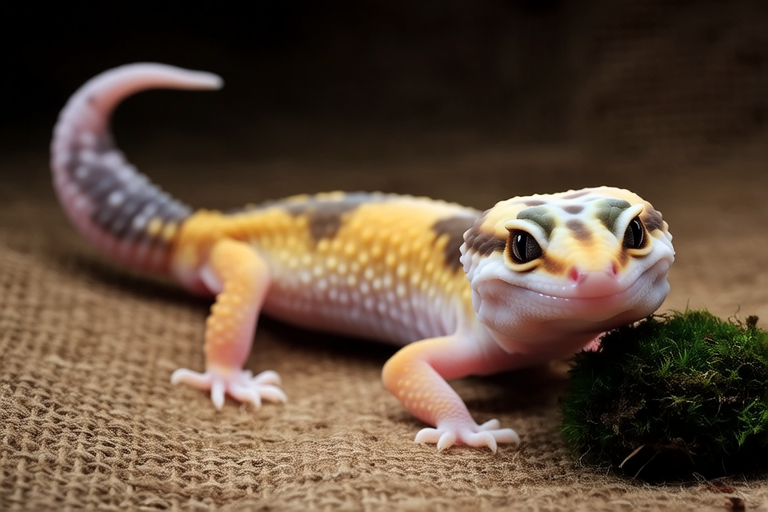
Leopard geckos are small lizards native to the arid regions of Afghanistan, Pakistan, and India. They are typically between 7 to 10 inches in length, making them an ideal size for handling. Their most striking feature is their patterned skin, which resembles the coat of a leopard. The spots can vary in shape, size, and color, creating a mesmerizing mosaic that captivates the eye. Leopard geckos come in a wide array of colors, including yellow, orange, white, and black. Some even exhibit pastel hues, adding to their enchanting appeal.
One of the most endearing aspects of leopard geckos is their expressive faces. With large, dark eyes and tiny mouths, they appear almost perpetually curious. Their small, delicate limbs give them a graceful appearance, and their tails are often decorated with intricate patterns. This combination of features makes each leopard gecko a unique individual, much like a snowflake.
Gentle Nature
Leopard geckos are known for their calm and docile temperament, which makes them perfect pets for both beginners and experienced reptile enthusiasts. Unlike some other lizard species, they are not prone to biting or aggressive behavior. Instead, they tend to be passive and easygoing, often tolerating handling with patience and grace. Many owners report that their geckos enjoy being held and petted, especially when they are used to regular interaction.
One of the reasons for their gentle nature is their nocturnal lifestyle. Leopard geckos are primarily active during the night, which means they are less likely to be stressed by handling during the day. This nocturnal behavior also allows them to thrive in a quiet environment, making them ideal pets for apartment dwellers or those who live in close quarters. Their peaceful demeanor and low-maintenance care requirements make them a popular choice among pet lovers.
Care Requirements
Despite their gentle nature, it’s essential to understand the specific care needs of leopard geckos to ensure their well-being. Providing a suitable habitat is crucial for their health and happiness. A terrarium or vivarium with appropriate dimensions is necessary to accommodate their size and activity level. The enclosure should be equipped with a secure lid to prevent escapes and should include a heat source, such as an under-tank heater, to maintain the optimal temperature of around 88 to 90 degrees Fahrenheit during the day. At night, the temperature can drop to around 75 degrees Fahrenheit.
Humidity levels should be kept relatively low, as leopard geckos prefer dry environments. To achieve this, the substrate should be non-particle-based, such as reptile carpet or paper towels, to prevent ingestion and subsequent health issues. Additionally, a shallow water dish should be provided for drinking and occasional soaking. Leopard geckos also require hiding spots and climbing structures within their enclosure to mimic their natural habitat and promote mental stimulation.
Feeding leopard geckos is straightforward and can be tailored to their dietary preferences. In the wild, they primarily consume insects such as crickets, mealworms, and waxworms. As pets, they should be fed a balanced diet of these insects, with occasional supplementation of calcium and vitamin D3 to support bone health. It’s important to gut-load the insects before feeding them to the geckos to ensure they receive adequate nutrients. Feeding should occur two to three times per week, depending on the age and size of the gecko.
Interaction with Owners
Leopard geckos are social creatures and can form strong bonds with their owners. Many owners report that their geckos recognize them and show excitement when they enter the room. Some geckos even learn to associate certain sounds or actions with feeding time, wagging their tails in anticipation. This level of responsiveness is rare in reptiles and adds to the charm of owning a leopard gecko.
Handling your leopard gecko should be done carefully and gently. Always wash your hands before and after handling to avoid transferring oils or bacteria to the gecko. When picking up your gecko, gently scoop it from underneath and support its body with your hand. Avoid grabbing or squeezing, as this can cause stress or injury. With regular handling, many geckos become accustomed to being held and may even enjoy the attention.
One anecdote that highlights the bond between owners and their leopard geckos involves a gecko named “Spot.” Spot was a particularly affectionate gecko who would follow his owner around the house, waiting for feeding time. One evening, Spot’s owner noticed that Spot seemed unusually inactive. Concerned, the owner took Spot to the veterinarian, where it was discovered that Spot had a blockage in his digestive tract. Thanks to prompt medical attention, Spot made a full recovery and continued to be a beloved member of the family.
Tips for Potential Owners
If you’re considering adopting a leopard gecko, there are several factors to keep in mind. First, ensure that you have the time and resources to provide proper care. While leopard geckos are relatively low-maintenance compared to other pets, they still require attention and commitment. Research reputable breeders or shelters to find a healthy and well-socialized gecko. Look for signs of good health, such as clear eyes, firm skin, and a steady appetite.
When bringing your new gecko home, allow it some time to acclimate to its new environment. Provide a hiding spot and leave it alone for a few days to reduce stress. Gradually introduce handling over time, starting with short sessions and increasing duration as the gecko becomes more comfortable. Remember to observe your gecko regularly for any signs of illness or distress. Early intervention can prevent minor issues from becoming serious health concerns.
Lastly, consider joining a community of leopard gecko enthusiasts. Online forums, local clubs, and social media groups offer valuable resources and support for new and experienced owners alike. Sharing experiences and advice with fellow gecko lovers can enhance your enjoyment of these wonderful pets and provide a wealth of information for caring for your gecko.
In conclusion, leopard geckos are truly heart-melting creatures with their unique appearance and gentle nature. Their distinctive spots, vibrant colors, and calm demeanor make them captivating companions. By understanding their care requirements and forming a bond through regular interaction, you can provide a loving home for these enchanting reptiles. Whether you’re a first-time pet owner or an experienced herpetologist, a leopard gecko can bring joy and wonder to your life. So, if you’re ready to welcome a gentle giant into your home, consider adopting a leopard gecko and experience the magic for yourself.
