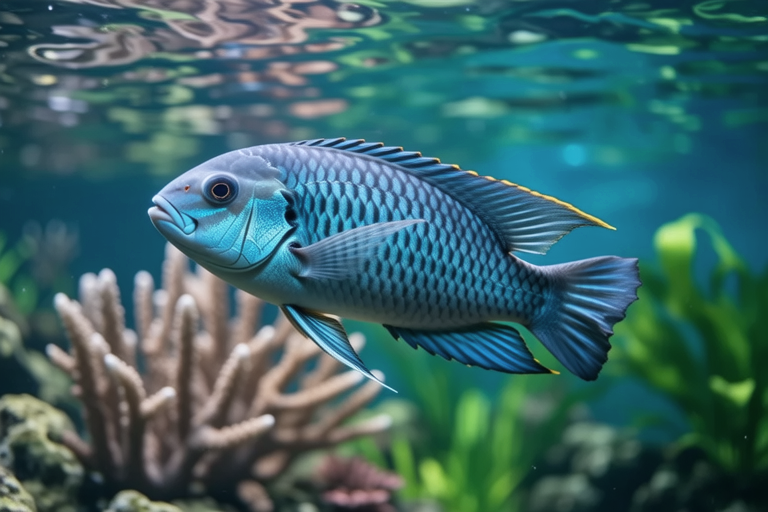
From Ocean Depths to Living Rooms: The Journey of Parrot Fish as Pets
The ocean is a vast and mysterious world, teeming with life of all kinds. Among its many inhabitants are the colorful and captivating parrot fish, known for their vibrant hues and unique physical characteristics. These fish are popular not only in their natural habitats but also as beloved pets in home aquariums. This article will guide you through the journey of parrot fish, from their natural oceanic homes to living rooms across the globe.
Parrot Fish Species and Their Unique Characteristics
Parrot fish, belonging to the family Scaridae, are a diverse group of fish found in tropical and subtropical waters around the world. They are named for their beak-like mouths, which are used to scrape algae from coral and rocks. Some of the most common species of parrot fish include the Blue Parrotfish, Queen Parrotfish, and the Stoplight Parrotfish. Each of these species boasts stunning coloration, ranging from bright blues and greens to vivid oranges and yellows.
The Blue Parrotfish (Scarus coeruleus) is one of the most recognizable members of this family, featuring a striking blue body with yellow stripes. The Queen Parrotfish (Scarus vetula), on the other hand, has a more subdued palette, with a brownish-green body adorned with white spots. The Stoplight Parrotfish (Sparisoma viride) stands out with its distinctive red and green coloring, making it a favorite among aquarium enthusiasts. These fish are not only visually appealing but also have unique physical features that set them apart from other marine species.
Natural Habitat and Ecological Roles
Parrot fish are primarily found in coral reefs, seagrass beds, and rocky areas throughout the Indo-Pacific and Caribbean regions. Coral reefs, in particular, provide a rich environment for these fish, offering both food and shelter. These vibrant ecosystems are crucial for maintaining biodiversity and supporting countless marine species.
In their natural habitats, parrot fish play a vital role in maintaining the health of coral reefs. They feed on algae that grow on coral surfaces, preventing overgrowth that could otherwise smother and kill the corals. By doing so, they help maintain the delicate balance necessary for the survival of these vital ecosystems. Additionally, their feeding habits contribute to the creation of sand, as their digestive processes break down the coral skeletons they consume, releasing tiny particles that eventually settle on the seabed.
Challenges and Considerations for Keeping Parrot Fish as Pets
While parrot fish are undeniably beautiful and fascinating creatures, they present several challenges for those interested in keeping them as pets. One of the most significant considerations is the size of the aquarium required. Parrot fish can grow quite large, with some species reaching lengths of up to three feet. Therefore, a spacious tank is essential to ensure that the fish has enough room to swim and thrive. A minimum tank size of 125 gallons is recommended for most adult parrot fish, though larger tanks are preferable for the well-being of the fish.
Dietary needs are another important aspect to consider when keeping parrot fish. In the wild, these fish primarily feed on algae and small organisms that live on coral reefs. In captivity, it’s crucial to replicate this diet as closely as possible. High-quality flake or pellet foods formulated for herbivorous fish are a good starting point, but it’s also beneficial to supplement their diet with fresh vegetables such as zucchini, spinach, and spirulina. Providing a varied diet helps ensure that your parrot fish receive all the nutrients they need to stay healthy.
Compatibility with other aquatic species is another factor to consider. Parrot fish are generally peaceful, but their territorial nature can sometimes lead to conflicts, especially if they feel their space is being invaded. It’s important to choose tank mates carefully, selecting species that are similar in size and temperament. Avoid housing parrot fish with aggressive or highly territorial species, as this can lead to stress and potential injuries.
Tips for Ensuring Health and Happiness of Parrot Fish in Home Aquariums
Caring for parrot fish requires dedication and attention to detail. Here are some tips for new and experienced aquarists alike to ensure the health and happiness of these magnificent creatures:
- Proper Filtration: A high-quality filtration system is essential for maintaining water quality in a parrot fish tank. Regular water changes and careful monitoring of water parameters such as pH, ammonia, and nitrite levels are crucial to prevent health issues.
- Adequate Lighting: Parrot fish require adequate lighting to simulate their natural environment. Full-spectrum LED lights are a popular choice, providing the necessary light spectrum for plant growth and enhancing the vibrant colors of the fish.
- Environmental Enrichment: Providing hiding spots and structures within the tank can help reduce stress and promote natural behaviors. Live rock and coral pieces not only offer shelter but also serve as a source of algae for the fish to graze on.
- Monitoring Behavior: Pay close attention to the behavior of your parrot fish. Signs of distress, such as lethargy, loss of appetite, or abnormal swimming patterns, may indicate underlying health issues that require prompt attention.
- Regular Health Checks: Regular visits to a veterinarian specializing in exotic pets can help catch potential health problems early and ensure your parrot fish receives proper care.
Ultimately, keeping parrot fish as pets comes with significant responsibilities. These beautiful creatures are not just decorative additions to a home aquarium; they are living beings that require proper care and attention. By understanding their needs and providing a suitable environment, aquarists can enjoy the beauty and wonder of these ocean dwellers in their own living rooms.
Conclusion
From the vibrant coral reefs of the Indo-Pacific to the living rooms of pet owners worldwide, parrot fish have captivated the hearts and minds of many. Their unique physical characteristics, vibrant colors, and vital ecological roles make them truly remarkable creatures. However, the journey from ocean depths to living rooms is not without its challenges. Proper tank size, dietary needs, and compatibility with other species are just a few of the considerations that must be taken into account when bringing a parrot fish into your home.
By following the tips outlined in this article, aquarists can ensure the health and happiness of their parrot fish, creating a thriving and beautiful underwater world right in their living room. Remember, the responsibility of caring for these magnificent creatures is a privilege, and with proper care and attention, they can bring joy and wonder to any home.
