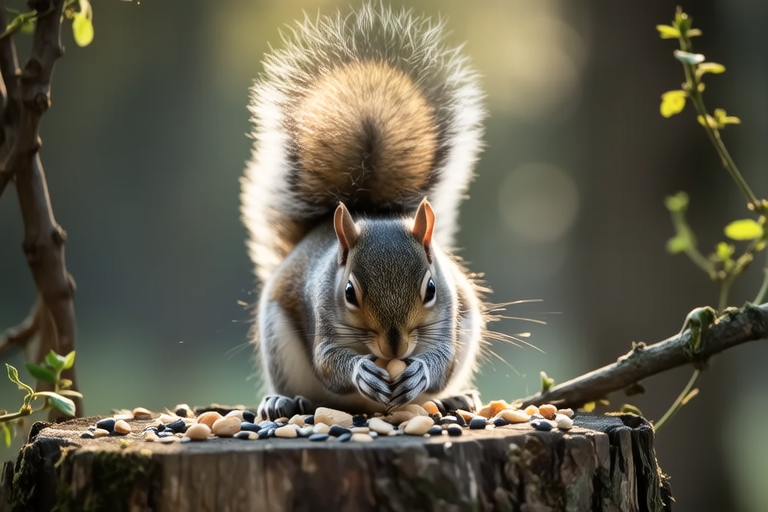
Solving the Puzzle: Why Squirrels Are Obsessed with My Bird Feeder
For many bird enthusiasts, the joy of watching colorful birds flutter around a feeder is quickly overshadowed by the frustrating sight of a squirrel making off with the seeds. These agile rodents seem to have an uncanny ability to locate and raid bird feeders, causing much annoyance among those who wish to enjoy the company of feathered friends. But why are squirrels so obsessed with bird feeders? To answer this question, we must delve into the biology and behavior of these creatures, as well as explore practical solutions that allow us to coexist with them while still enjoying our avian visitors.
The Frustration of Bird Enthusiasts
Imagine spending hours selecting the perfect bird feeder, filling it with high-quality seeds, and setting up a cozy perch for your favorite species. You eagerly await the arrival of songbirds, but instead, you’re greeted by the sight of a squirrel leaping onto the feeder, scattering seeds everywhere. The frustration is palpable, especially when you’ve invested time and money into creating a haven for birds. Many bird lovers feel cheated out of their enjoyment, as squirrels can quickly turn a peaceful backyard retreat into a chaotic battleground.
Witnessing the spectacle of a squirrel’s acrobatic skills as it navigates the feeder can be amusing at first, but the constant raids can be disheartening. Some people resort to drastic measures, such as setting traps or using harsh chemicals, which are often ineffective and can harm other animals. However, understanding the underlying reasons behind squirrels’ attraction to bird feeders can help us find more humane and effective solutions.
The Biology Behind Squirrels’ Diet and Foraging Habits
To comprehend why squirrels are drawn to bird feeders, it’s essential to examine their diet and natural foraging behaviors. Squirrels are omnivores, meaning they consume both plant-based and animal-based foods. Their diet typically consists of nuts, seeds, fruits, fungi, and occasionally insects or small vertebrates. In the wild, squirrels rely on their keen sense of smell and excellent memory to locate food sources, often caching excess food for later consumption.
Bird feeders offer an abundant and easily accessible source of food, which aligns perfectly with squirrels’ dietary preferences. Sunflower seeds, peanuts, and suet, commonly found in bird feeders, are particularly appealing to squirrels due to their high caloric content. These seeds provide squirrels with the energy they need to survive and thrive, especially during colder months when natural food sources may be scarce. Moreover, bird feeders eliminate the need for squirrels to expend significant effort searching for food, making them an attractive option for these opportunistic creatures.
From a behavioral perspective, squirrels are highly intelligent and adaptable animals. They have evolved to exploit available resources efficiently, and bird feeders represent a prime opportunity for easy access to nutrition. This adaptability is evident in their problem-solving abilities, as they frequently devise new methods to bypass obstacles placed on feeders. Their dexterity and agility further contribute to their success in raiding bird feeders, making it difficult for many homeowners to deter them.
Practical, Humane Solutions for Deterring Squirrels
Fortunately, there are several humane and effective strategies for discouraging squirrels from raiding bird feeders while still attracting birds. One popular solution is to invest in squirrel-proof feeders, which are designed with features that prevent squirrels from accessing the seeds. These feeders often incorporate weight-sensitive perches, slippery poles, or baffles that make it challenging for squirrels to reach the food. While no feeder is entirely immune to determined squirrels, these designs can significantly reduce the frequency of raids.
Another approach is to modify the placement of bird feeders to make them less accessible to squirrels. Hanging feeders from sturdy poles and installing metal cones or baffles below the feeder can create barriers that deter squirrels from reaching the seeds. Additionally, positioning feeders near trees or structures can provide squirrels with easier access, so moving feeders away from such areas may help discourage them.
Feeding squirrels separately can also be an effective strategy. By providing a dedicated feeding area for squirrels, you can satisfy their appetite without compromising the bird feeder. This approach not only alleviates competition between squirrels and birds but also helps establish a routine for squirrels, potentially reducing their interest in bird feeders. Offering squirrel-friendly foods like nuts, corn, or specially formulated squirrel feed can encourage squirrels to visit their designated area rather than raiding bird feeders.
Lastly, employing humane deterrents can help discourage squirrels without causing harm. Motion-activated sprinklers or ultrasonic devices emit sudden bursts of water or sound when triggered, startling squirrels and encouraging them to seek alternative food sources. These deterrents are non-lethal and can be an effective way to manage squirrel populations in your backyard.
Coexisting with Wildlife and Maintaining a Balanced Backyard Ecosystem
While it may be tempting to eliminate squirrels entirely, doing so would disrupt the delicate balance of your backyard ecosystem. Squirrels play a vital role in seed dispersal and forest regeneration, helping to maintain healthy ecosystems. By coexisting with squirrels and adopting a holistic approach to backyard management, you can create a harmonious environment where both squirrels and birds can thrive.
To promote biodiversity and maintain a balanced ecosystem, consider incorporating native plants that provide food and shelter for various wildlife species. Shrubs, trees, and flowering plants not only attract birds but also support other beneficial organisms like bees, butterflies, and insects. Creating a diverse landscape can help ensure that all members of your backyard community have access to the resources they need, fostering a thriving ecosystem.
Additionally, it’s essential to practice responsible feeding habits. Avoid overfeeding, as excessive amounts of food can lead to dependency and attract unwanted pests. Instead, provide适量的适量的适量的
