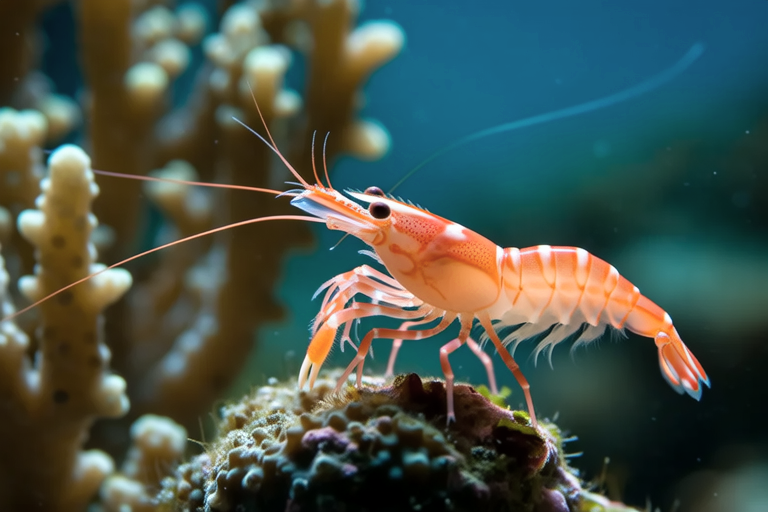
5 Secrets to Keeping Your Coral Shrimp Happy and Healthy in Your Tank
Welcome to the fascinating world of coral shrimp care! These vibrant, small crustaceans are not only visually appealing but also beneficial for your reef tank’s ecosystem. To ensure that your coral shrimp thrive, it’s crucial to understand their specific needs and provide optimal conditions. This article will guide you through five secrets to keeping your coral shrimp happy and healthy, covering water parameters, diet, tank mates, hiding spots, and regular maintenance. Let’s dive in!
Secret 1: Optimal Water Parameters
Creating the right environment is paramount for the well-being of your coral shrimp. These creatures are sensitive to changes in water quality, so maintaining stable and appropriate water parameters is essential.
Water Temperature
Coral shrimp prefer water temperatures between 72°F and 78°F (22°C to 26°C). Consistency is key; fluctuations can stress them out. Use a reliable heater and thermometer to monitor and maintain this temperature range.
Salinity
The salinity, or specific gravity, should be kept at approximately 1.024 to 1.026. Test kits are indispensable tools for measuring and adjusting salinity. Regular testing ensures that your shrimp remain comfortable and healthy.
pH Levels
An ideal pH range for coral shrimp is between 8.0 and 8.4. This slightly alkaline environment mimics their natural habitat. Use pH test strips or a digital pH meter to check and adjust the pH as necessary.
Ammonia, Nitrite, and Nitrate Levels
Avoid any detectable levels of ammonia and nitrite, which are toxic to shrimp. Maintain nitrate levels below 20 ppm (parts per million) by performing regular water changes and ensuring proper biological filtration. A well-established nitrogen cycle is crucial for sustaining healthy water chemistry.
Secret 2: Nutritious Diet
Feeding your coral shrimp correctly is vital for their growth and overall health. They are opportunistic feeders that consume various food sources, including algae, microorganisms, and detritus.
Variety is Key
Offer a diverse diet that includes algae wafers, high-quality flake foods, and frozen or freeze-dried foods like brine shrimp, daphnia, and mysis shrimp. Supplement with fresh vegetables such as blanched spinach or zucchini. The variety ensures they receive all necessary nutrients.
Frequency of Feeding
Feed your shrimp once or twice daily, providing just enough food that they can finish within a few minutes. Overfeeding can lead to poor water quality and uneaten food becoming detritus.
Encouraging Natural Foraging
To mimic their natural behavior, scatter some food around the tank rather than placing it in one spot. This encourages exploration and stimulates their hunting instincts. Additionally, encourage the growth of algae in the tank by providing rocks or driftwood, offering a natural food source.
Secret 3: Compatible Tank Mates
Selecting the right tank mates is crucial for the safety and happiness of your coral shrimp. Some species may coexist peacefully, while others might pose threats due to aggression or predatory behavior.
Peaceful Companions
Coral shrimp generally get along well with other peaceful invertebrates and non-aggressive fish. Suitable tank mates include:
- Other small shrimp species
- Clams and snails
- Non-aggressive clownfish
- Small, non-predatory fish like cardinal tetras or harlequin rasboras
These companions share similar environmental requirements and pose minimal threat to your shrimp.
Avoiding Predators
Avoid housing coral shrimp with larger, aggressive fish or invertebrates that may view them as prey. Fish like lionfish, triggerfish, and large angelfish should be excluded from the tank. Similarly, avoid keeping them with larger crabs or lobsters that could harm them.
Introducing New Tank Mates
When introducing new tank mates, acclimate them slowly to the existing environment. Monitor interactions closely during the first few days to ensure compatibility. If any aggressive behavior is observed, consider separating the incompatible species.
Secret 4: Providing Hiding Spots
Coral shrimp appreciate having safe spaces to retreat to, especially when feeling threatened or needing privacy. Proper hiding spots enhance their sense of security and reduce stress.
Types of Hiding Spots
Use a combination of live rock, caves, and artificial structures to create hiding spots. Live rock not only provides shelter but also supports beneficial bacteria and algae growth. Incorporate caves made from porous materials or commercially available acrylic caves. Decorative structures like shipwrecks or castles can add visual appeal while serving functional purposes.
Placement of Hiding Spots
Position hiding spots throughout the tank to ensure adequate coverage. Place some near the bottom and others at mid-level or higher to accommodate different swimming behaviors. This distribution helps prevent overcrowding and allows shrimp to find suitable refuge easily.
Maintaining Hiding Spots
Regularly inspect hiding spots for debris or algae buildup. Clean them gently if needed, ensuring that the shrimp have access to their preferred locations. Avoid rearranging the tank frequently, as sudden changes can cause stress.
Secret 5: Regular Maintenance
Consistent upkeep is essential for maintaining a healthy tank environment and promoting the longevity of your coral shrimp. Implementing a routine maintenance schedule ensures that water quality remains optimal and potential issues are addressed promptly.
Daily Monitoring
Each day, observe the behavior of your shrimp and other tank inhabitants. Check for signs of distress, such as lethargy, abnormal coloration, or unusual swimming patterns. Also, monitor water parameters briefly to catch any immediate concerns.
Weekly Water Changes
Perform weekly partial water changes, replacing approximately 10-20% of the tank’s volume. Use a gravel vacuum to remove debris from the substrate simultaneously. This practice helps maintain water clarity and nutrient balance.
Biofilter Maintenance
Ensure that your biofilter is functioning correctly by cleaning it regularly without disturbing the beneficial bacteria colonies. Replace filter media as recommended by the manufacturer to maintain efficiency.
Monthly Deep Cleaning
Once a month, conduct a more thorough cleaning session. This includes scrubbing the glass, removing stubborn algae, and checking equipment for wear and tear. Inspect the plumbing for clogs and replace any damaged parts.
Annual Equipment Inspection
Annually, evaluate all tank equipment, including heaters, pumps, and lights. Test their functionality and replace components as necessary. This proactive approach prevents malfunctions that could disrupt the tank’s stability.
Conclusion
By following these five secrets, you’ll create an ideal environment for your coral shrimp to flourish. Pay attention to water parameters, provide a balanced diet, choose compatible tank mates, offer hiding spots, and maintain your tank diligently. With these practices in place, you’ll enjoy watching your coral shrimp thrive in their vibrant underwater home.
Remember, every aquarium setup is unique, and what works best may vary depending on specific circumstances. Stay informed, adapt as needed, and always prioritize the well-being of your aquatic friends. Happy shrimping!
