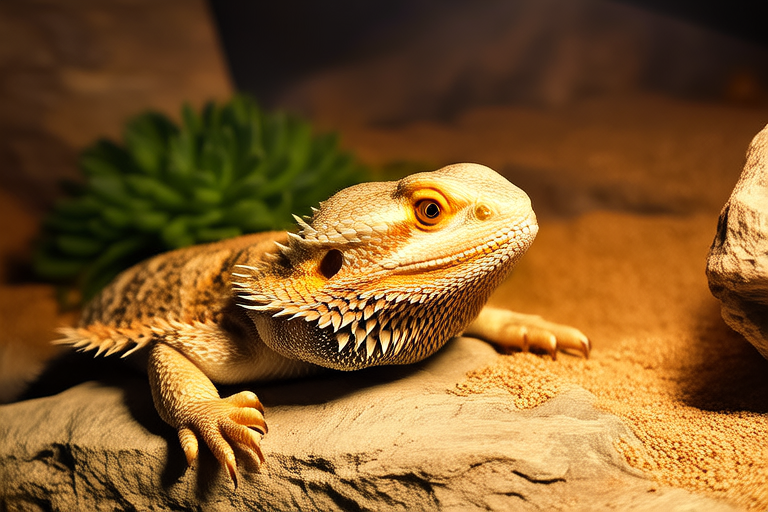
Top 10 Myths About Bearded Dragons Debunked Once and For All
Welcome to the fascinating world of bearded dragons! These reptiles, native to Australia, have become increasingly popular as pets due to their docile nature, ease of care, and striking appearance. Their unique ability to change the color of their beards, along with their gentle demeanor, has made them a favorite among reptile enthusiasts. However, like any popular pet, bearded dragons come with a plethora of myths and misconceptions. In this article, we’ll delve into the top 10 myths surrounding these captivating creatures and set the record straight.
Myth 1: Bearded Dragons Can Survive on a Diet of Just Crickets
One of the most common myths about bearded dragons is that they can thrive on a diet consisting solely of crickets. While crickets are indeed part of a balanced diet, they should not form the entirety of it. A varied diet that includes leafy greens, vegetables, and occasional fruits is essential for their health. Experts recommend feeding your bearded dragon a mix of gut-loaded insects, fresh vegetables, and a small amount of fruit to ensure they receive all necessary nutrients.
Myth 2: Bearded Dragons Require Less Attention Than Other Pets
Another misconception is that bearded dragons are low-maintenance pets that require minimal attention. While they are generally calm and do not need daily walks, they still demand proper care. Regular cleaning of their enclosure, monitoring their health, and ensuring a suitable environment are crucial. Providing a stimulating habitat with hiding spots, climbing structures, and UVB lighting is vital for their well-being.
Myth 3: Bearded Dragons Can Only Live a Few Years
It’s often believed that bearded dragons have a short lifespan. However, with proper care, they can live up to 10 years or more. Factors such as diet, habitat conditions, and veterinary care significantly influence their longevity. Ensuring a balanced diet and a healthy environment can extend their lives considerably.
Myth 4: Bearded Dragons Don’t Need UVB Lighting
Many believe that bearded dragons can get enough UVB light from windows or other sources, but this is incorrect. UVB lighting is crucial for their calcium absorption and overall bone health. Without it, bearded dragons may develop metabolic bone disease, leading to severe health issues. Always invest in high-quality UVB bulbs designed for reptiles and replace them regularly as directed by manufacturers.
Myth 5: Bearded Dragons Can Hibernate
Some people think that bearded dragons can hibernate, similar to certain mammals. This is a misconception. Bearded dragons are ectothermic (cold-blooded) animals that rely on external heat sources to regulate their body temperature. They do not hibernate but may enter a state called brumation during cooler months, where they become less active. It’s important to maintain consistent temperatures throughout the year to avoid stress on your pet.
Myth 6: Bearded Dragons Can Eat Any Type of Fruit
While fruits can be part of a bearded dragon’s diet, not all types are suitable. Fruits high in oxalates, such as rhubarb and spinach, can interfere with calcium absorption and should be avoided. Safe fruits include apples, blueberries, and melons, but they should be offered sparingly and prepared correctly. Always wash and cut fruits into appropriate sizes before feeding.
Myth 7: Bearded Dragons Don’t Need Water Bowls
Contrary to popular belief, bearded dragons do need access to water. Although they obtain much of their hydration from their food, especially when eating moist vegetables, a shallow water dish should always be available. Encourage drinking by misting the enclosure occasionally and placing the water dish in a visible location. Hydration is critical for digestion and overall health.
Myth 8: Bearded Dragons Are Nocturnal
Bearded dragons are diurnal, meaning they are most active during the day. They bask under UVB lights to absorb sunlight and warm themselves. Providing a basking spot with appropriate heat and UVB lighting is essential for their daily routine and health. Misunderstanding their activity patterns can lead to inadequate care.
Myth 9: Bearded Dragons Can Be Kept in Small Enclosures
Another widespread myth is that bearded dragons can live comfortably in small tanks. However, these reptiles need ample space to move around, explore, and thermoregulate. The general rule is that the enclosure should be at least twice the length of the dragon. Larger enclosures allow for better environmental control and enrichment, promoting a healthier lifestyle.
Myth 10: Bearded Dragons Are Harmless to Children
While bearded dragons are generally gentle and safe around children, they should always be supervised when handling. Children should be taught how to properly hold and interact with their pets to prevent accidental injuries. Additionally, frequent hand washing is recommended after handling any reptile to minimize the risk of salmonella transmission.
Tips for New Bearded Dragon Owners
If you’re considering adding a bearded dragon to your family, here are some essential tips to ensure optimal care:
- Proper Housing: Invest in a well-ventilated tank with appropriate heating and lighting. Maintain clean conditions to prevent bacterial growth.
- Nutritious Diet: Provide a balanced diet rich in calcium and vitamins. Offer a variety of insects, vegetables, and occasional fruits.
- Hydration: Keep a shallow water dish accessible at all times. Mist the enclosure occasionally to encourage drinking.
- Handling: Handle your bearded dragon gently and frequently to build trust. Supervise interactions with children.
- Veterinary Care: Schedule regular check-ups with a veterinarian experienced in reptile care. Vaccinations are not typically required, but routine exams can catch potential health issues early.
By following these guidelines and debunking common myths, you can provide your bearded dragon with a happy, healthy life. Remember, proper care requires commitment and attention to detail.
Call to Action
We hope this article has helped clarify some of the myths surrounding bearded dragons. Whether you’re a seasoned owner or just starting out, we’d love to hear your experiences and answer any questions you might have. Share your stories, ask for advice, or simply join the conversation in our community forum. Together, we can continue learning and improving the lives of these amazing reptiles.
