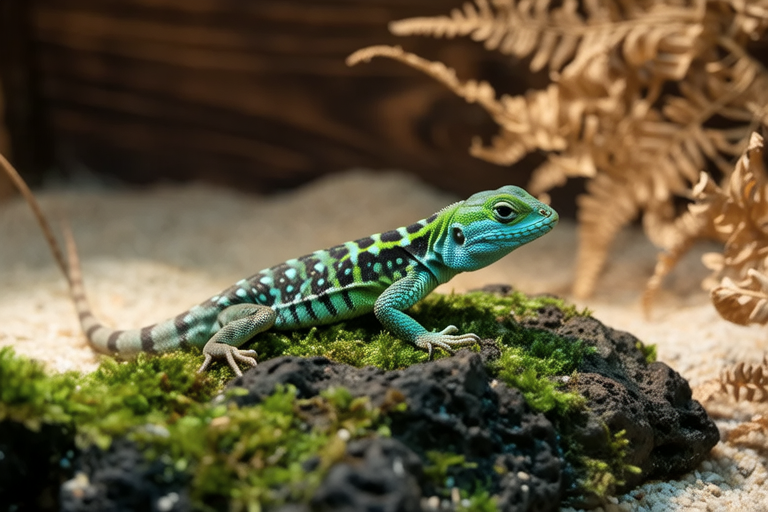
Splendid Japalure Care Guide
Welcome to your comprehensive guide on splendid japalure care. Whether you’re a first-time owner or an experienced handler, this guide will provide you with all the necessary information to ensure your japalure leads a healthy, happy life.
Introduction to Splendid Japalures
The splendid japalure, also known as the Phalacrocorax splendidus, is a striking bird native to certain regions of Asia. With its vibrant plumage and unique behaviors, it has become a popular choice among exotic pet enthusiasts. Understanding the species’ natural habitat and behavior is crucial for providing optimal care.
Diet: What Your Japalure Needs
A balanced diet is essential for maintaining your japalure’s health. Their diet should primarily consist of high-quality pellets formulated specifically for waterfowl. Supplement this with fresh vegetables such as leafy greens, carrots, and bell peppers. Avoid feeding them avocados, chocolate, caffeine, and alcohol, which can be toxic.
Additionally, ensure that your japalure has access to clean, fresh water at all times. For enrichment and mental stimulation, consider offering occasional treats like mealworms or cooked meats.
Habitat Setup: Creating a Safe and Comfortable Home
Setting up an appropriate habitat is vital for your japalure’s well-being. Provide a spacious enclosure that allows ample room for swimming and flying. The enclosure should have a minimum size of 6 feet by 4 feet by 4 feet. Equip it with a large water area for swimming, and ensure the water is kept clean and changed regularly.
Incorporate perches of varying diameters to promote foot health and provide different levels within the enclosure for climbing and exploring. Use non-toxic, waterproof materials for bedding, and include branches and logs for naturalistic climbing structures.
Ensure proper ventilation and protection from drafts. Temperature should be maintained between 70°F and 80°F (21°C – 27°C) with humidity levels around 40-60%. Regularly check the enclosure for cleanliness and safety hazards.
Health Care: Keeping Your Japalure Healthy
Regular veterinary check-ups are essential for maintaining your japalure’s health. Choose a veterinarian experienced with exotic birds. Common health issues include respiratory infections, parasites, and nutritional deficiencies. Watch for signs of illness such as lethargy, loss of appetite, or abnormal droppings.
Implement a quarantine period when introducing new birds to prevent the spread of diseases. Practice good hygiene by washing hands before and after handling your japalure and cleaning their enclosure thoroughly.
Behavioral Traits: Understanding Your Japalure
Japalures are intelligent and social creatures. They exhibit various behaviors depending on their mood and environment. They may preen themselves or each other, which is a sign of bonding and health maintenance. Some may display territorial behavior, especially during breeding season.
These birds are generally active and curious, often engaging in exploratory activities within their enclosure. They can be vocal, making various sounds ranging from soft coos to loud squawks. Understanding these behaviors helps in creating a positive interaction with your japalure.
Training Tips: Building a Bond with Your Japalure
Training can strengthen the bond between you and your japalure while promoting mental stimulation. Start by establishing trust through gentle interactions and consistent routines. Positive reinforcement techniques, such as offering treats for desired behaviors, are highly effective.
Begin with basic commands like ‘step up’ and ‘come here.’ Gradually introduce more complex tricks and behaviors. Training sessions should be short, frequent, and fun to keep your japalure engaged. Always end on a positive note to reinforce good behavior.
Common Issues and Solutions
Like any pet, japalures can face challenges. Feather plucking, often due to stress or boredom, is one issue. Providing environmental enrichment, such as toys and puzzles, can help alleviate this behavior. Respiratory issues may arise if the temperature or humidity isn’t properly managed. Regularly monitor these conditions and consult a vet if symptoms persist.
Parasites can be another concern, requiring regular checks and preventive measures. Maintain a clean environment and follow your veterinarian’s recommendations for parasite control.
Maintaining a Happy and Healthy Japalure
To maintain your japalure’s happiness and health, focus on providing a stimulating and enriching environment. Rotate toys and offer new items periodically to prevent boredom. Encourage natural behaviors through interactive play and supervised outdoor activities.
Stay informed about the latest research and best practices in japalure care. Engage with other owners and experts in online forums or local clubs for support and advice. Continuous learning ensures you’re giving your japalure the best possible care.
Conclusion
Caring for a splendid japalure is a rewarding endeavor that requires commitment and knowledge. By following this care guide, you’ll be well-equipped to provide your japalure with a thriving, fulfilling life. Remember, each bird is unique, so adapt these guidelines based on your japalure’s specific needs and preferences.
