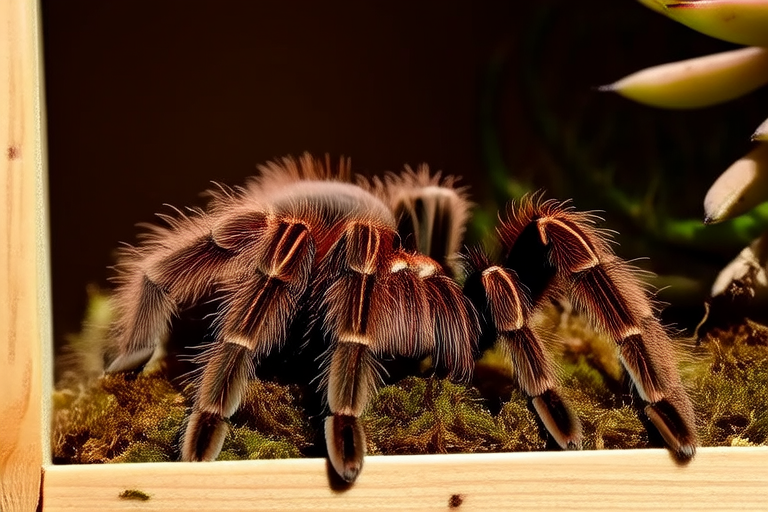
Adventures in Arachnophilia: A Day in the Life of a Tarantula Owner
Welcome to the fascinating world of tarantulas! These often misunderstood creatures have captivated the hearts of many arachnid enthusiasts. Despite their fearsome appearance, tarantulas are gentle giants that make wonderful pets for those willing to learn about their unique needs. This article will guide you through a day in the life of a tarantula owner, from setting up the perfect habitat to understanding your spider’s daily routine.
The Appeal of Tarantulas as Pets
Tarantulas come in various species, each with its own distinct coloration and size. Their docile nature and low-maintenance requirements make them ideal for pet owners seeking a different kind of companion. Unlike many other pets, tarantulas don’t require frequent interaction, making them perfect for busy individuals or those who prefer a more laid-back pet experience. However, they do need attentive care to thrive in their new homes.
Setting Up the Perfect Habitat
Creating a suitable environment for your tarantula is crucial for its well-being. The habitat should mimic the natural conditions of the spider’s native environment. Start by choosing an appropriate enclosure; glass aquariums with secure lids are popular choices due to their durability and visibility. Ensure there are no gaps where the tarantula could escape.
The substrate, or bedding material, plays a vital role in maintaining humidity levels within the enclosure. Coconut fiber or peat moss work well, providing a moist yet breathable layer for burrowing. Adding live plants or artificial ones enhances the aesthetic appeal while offering additional hiding spots. These are essential for your tarantula’s comfort and security.
Temperature control is another critical aspect of tarantula care. Most species prefer temperatures between 75°F and 85°F (24°C – 29°C), though this may vary depending on the specific type of tarantula. Use a thermostat-controlled heating pad placed under one side of the enclosure to create a gradient, allowing your spider to move between warmer and cooler areas.
Daily Care Routines
Maintaining a clean and healthy habitat is key to keeping your tarantula happy. Regularly check for any signs of mold or excessive moisture, which can lead to respiratory issues. Clean the enclosure every few weeks, replacing the substrate and removing any uneaten prey items. Always handle your tarantula with care, avoiding sudden movements that might startle it.
Feeding your tarantula is straightforward but requires attention to detail. Younger spiders may eat small insects like crickets or mealworms every few days, while adults typically consume larger prey once a week. Offer food at consistent intervals to establish a predictable routine. After feeding, monitor the enclosure closely for several hours to ensure the prey item hasn’t escaped.
Observing Your Tarantula’s Daily Activities
Understanding your tarantula’s behavior can enhance your bond and provide valuable insights into its health. During the day, most tarantulas remain hidden in their burrows or favorite hiding spots, conserving energy for the evening when they become more active. As night falls, watch as your spider emerges to explore its surroundings or search for food.
Some tarantulas display interesting behaviors during feeding time, such as waving their front legs or flicking urticating hairs to deter predators. These actions are part of their natural hunting instincts and offer fascinating glimpses into their world. Nocturnal activities also include web-building, although not all tarantulas engage in this behavior. Some species prefer to wander freely around their enclosures, while others construct intricate webs near their burrows.
Safely Handling and Interacting with Your Tarantula
Handling your tarantula should always be done with caution and respect. Before attempting to interact, ensure your hands are clean and free of any strong odors. Gently coax your spider out of its hiding spot using a small stick or tweezers, never directly touching it. Once outside the enclosure, place the tarantula on a flat surface and allow it to walk onto your hand if comfortable.
Avoid picking up your tarantula by its legs or abdomen, as this can cause injury. Instead, support its body from underneath and gently guide it into position. Remember that even the most docile tarantulas can feel threatened, so approach interactions calmly and patiently. Over time, many tarantulas become accustomed to regular handling, developing trust with their owners.
The Rewards of Tarantula Ownership
Owning a tarantula offers numerous rewards for dedicated pet owners. Watching your spider grow and thrive brings immense satisfaction, especially when observing milestones like molting or successfully catching prey. Additionally, caring for a tarantula fosters patience and responsibility, qualities beneficial in all aspects of life.
For arachnid enthusiasts, owning a tarantula provides unparalleled access to these remarkable creatures. With proper care and attention, you’ll gain a deeper appreciation for their beauty and complexity. Whether you’re a seasoned expert or just beginning your journey into the world of tarantulas, there’s always something new to learn and discover.
In conclusion, adventuring into the realm of tarantula ownership promises both challenges and joys. By setting up a suitable habitat, adhering to a consistent care routine, and learning about your spider’s behaviors, you’ll create a fulfilling experience for yourself and your pet. Embrace the unique hobby of tarantula keeping, and enjoy the adventures that await!
