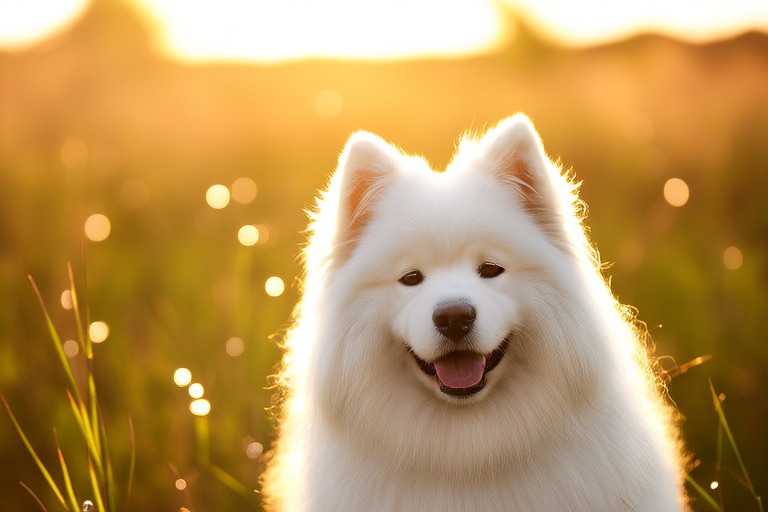
Samoyed: The Fluffy Wonderdog You Need to Know
The Samoyed is one of those breeds that can steal your heart with just a glance. Known for their fluffy white coats and irresistible smile, these dogs have been charming people for centuries. Whether you’re a seasoned dog owner or considering adding a new furry friend to your family, the Samoyed might just be the perfect companion for you. Let’s dive into the world of this magnificent breed.
Origin and History
The Samoyed hails from Siberia, where they were bred by the nomadic Samoyede people. These ancient tribes relied heavily on their dogs for survival, using them for herding reindeer, pulling sleds, and even keeping their families warm during the harsh winters. The Samoyed’s loyalty and versatility made them invaluable companions. Over time, these dogs became well-known for their strength, endurance, and gentle nature, traits that continue to define the breed today.
Physical Characteristics
One of the first things you’ll notice about a Samoyed is its striking appearance. With a thick, double coat that comes in pure white, cream, or biscuit colors, the Samoyed is often referred to as the ‘fluffy wonderdog.’ Their coat is designed to withstand the cold, providing insulation against the elements. In addition to their luxurious fur, Samoyeds have a distinctive black nose, dark almond-shaped eyes, and a characteristic smile that never fails to put a smile on your face.
Standing at around 19 to 21 inches tall for males and slightly smaller for females, Samoyeds are medium-sized dogs with a robust build. Their muscular bodies and strong legs make them well-suited for their original roles as working dogs. Despite their sturdy appearance, they possess a graceful gait and a playful demeanor that makes them a joy to watch.
Temperament
Samoyeds are known for their friendly and outgoing personalities. They are typically good-natured, affectionate, and highly social dogs that love to be part of the family. Their gentle nature makes them excellent with children, and they are often seen as loyal protectors without being overly aggressive. However, their friendly disposition also means they can be a bit too sociable at times, especially when it comes to meeting new people.
Training a Samoyed can sometimes be challenging due to their independent streak. They are intelligent dogs, but they can be stubborn and may require consistent, positive reinforcement training methods. Early socialization and obedience training are crucial to ensure that your Samoyed becomes a well-behaved and confident adult dog.
Exercise Needs
Despite their fluffy appearance, Samoyeds are active dogs that require regular exercise to stay healthy and happy. Originally bred for herding and sledding, they have a high energy level and need plenty of opportunities to burn off excess energy. Daily walks, play sessions in the yard, and interactive games like fetch are all great ways to keep your Samoyed physically stimulated.
It’s important to note that while Samoyeds enjoy outdoor activities, they are sensitive to heat. Their thick coats can make them uncomfortable in warm weather, so it’s best to limit their exercise during the hottest parts of the day and provide them with shade and water when outdoors.
Grooming Requirements
With their thick double coats, Samoyeds are heavy shedders, particularly during spring and fall when they blow their undercoats. Regular brushing is essential to manage shedding and prevent matting. A weekly brush can help keep their coat looking its best, but during shedding season, daily brushing may be necessary.
Bathing should be done sparingly, as frequent bathing can strip their coat of natural oils. Instead, focus on maintaining cleanliness through regular brushing and spot cleaning as needed. Additionally, pay attention to their ears, nails, and teeth to ensure overall good hygiene.
Common Health Issues
Like any breed, Samoyeds are prone to certain health conditions. Some of the most common issues include hip dysplasia, progressive retinal atrophy (PRA), and various autoimmune diseases. Responsible breeding practices can help reduce the risk of these conditions, so it’s important to choose a reputable breeder who conducts health screenings on their dogs.
Regular veterinary check-ups and a balanced diet can also contribute to your Samoyed’s long-term health. Maintaining a healthy weight and providing a nutritious diet will support their overall well-being and help prevent obesity-related issues.
Why Samoyeds Make Excellent Family Pets
Samoyeds are often considered ideal family pets due to their friendly and loving nature. Their affectionate behavior makes them great companions for children, and their protective instincts can provide a sense of security for the household. Their adaptability and ability to form strong bonds with family members make them a cherished addition to many homes.
Moreover, Samoyeds are known for their playful and energetic nature, which can bring endless joy and entertainment to your family. Their intelligence and trainability mean they can learn tricks and participate in family activities, making them more than just pets but true members of the family.
Tips for Potential Owners
- Choose the Right Breeder: When looking for a Samoyed puppy, it’s crucial to find a reputable breeder who prioritizes the health and well-being of their dogs. Ask to see health clearances and meet the parents if possible.
- Prepare for Grooming: Be prepared for the commitment involved in grooming your Samoyed. Invest in quality brushes and spend time learning proper grooming techniques to keep your dog’s coat in top condition.
- Provide Plenty of Exercise: Make sure to give your Samoyed ample opportunities to exercise and burn off energy. This will help prevent behavioral issues and keep them physically fit.
- Stay Consistent with Training: Use positive reinforcement training methods to establish good behavior early on. Consistency is key when training a Samoyed, so be patient and persistent.
- Monitor Their Diet: Feed your Samoyed a balanced diet that meets their nutritional needs. Avoid overfeeding, especially during shedding seasons, to prevent obesity.
- Keep Them Cool: Since Samoyeds are sensitive to heat, take extra precautions during hot weather to ensure they stay cool and comfortable.
In conclusion, the Samoyed is a remarkable breed that combines beauty, intelligence, and affection. With their fluffy coats, friendly temperaments, and playful spirits, they make wonderful companions for families. By understanding their unique needs and providing proper care, you can ensure that your Samoyed lives a long, healthy, and happy life. If you’re looking for a loyal and loving pet that will bring joy to your home, consider welcoming a Samoyed into your family.
