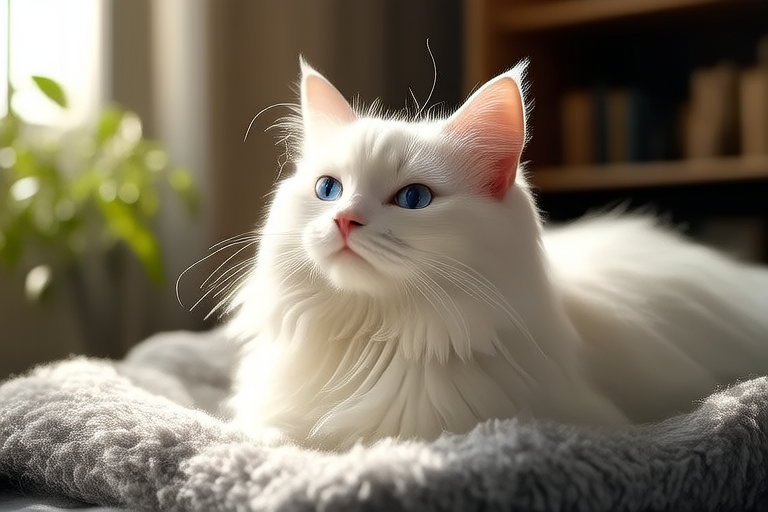
From Lap Warmers to Companions: The Endearing World of Ragdolls
Ragdolls are a breed of cat that has captured the hearts of many with their docile nature and affectionate behavior. Known for their serene demeanor and striking appearance, Ragdolls have become a popular choice for families and individuals seeking a gentle and loving companion. This article delves into the unique characteristics of Ragdolls, their history, physical traits, care requirements, and the special bond they form with their owners.
The Unique Characteristics of Ragdolls
One of the most endearing traits of Ragdolls is their docile and relaxed nature. They are often described as “lap warmers” due to their tendency to lie in laps and enjoy being petted. Their affectionate behavior makes them ideal companions for those who seek a close relationship with their pets. Unlike some breeds that are more independent, Ragdolls thrive on human interaction and are known to follow their owners around the house, seeking attention and companionship.
A Brief History of the Ragdoll Breed
The history of the Ragdoll breed is as fascinating as the cats themselves. Developed in the 1960s by Ann Baker, a breeder in Riverside, California, the Ragdoll was created through selective breeding of longhaired cats with unknown origins. One of the most significant milestones in the breed’s development was the introduction of the Persian and Burmese breeds, which contributed to the Ragdoll’s distinct physical features and temperament.
The breed gained recognition in the early 1970s when it was introduced to cat fanciers outside of California. Since then, Ragdolls have been bred by enthusiasts around the world, becoming one of the most popular and beloved cat breeds.
Physical Traits of Ragdolls
Ragdolls are easily recognizable by their striking blue eyes and semi-longhair coats. Their large, muscular bodies are covered in a soft, silky coat that requires minimal grooming. The coat comes in various patterns, including colorpoint, mitted, bicolor, and van. The colorpoint pattern, which resembles Siamese cats, features darker points on the face, ears, paws, and tail against a lighter body. The mitted pattern adds white paws and sometimes a white chin, while the bicolor pattern includes a larger white area covering the chest, belly, and legs. The van pattern features white on the feet, chest, and tail tip, with the rest of the body colored.
Their blue eyes, large and expressive, add to their charm and make them stand out among other cat breeds. These physical traits not only contribute to their aesthetic appeal but also play a role in their popularity. Ragdolls are often sought after for their beauty and grace, making them a favorite subject for photographers and artists.
Care Requirements for Ragdolls
Dietary Needs
Proper nutrition is essential for maintaining the health and vitality of Ragdolls. A balanced diet rich in protein, vitamins, and minerals is recommended. High-quality commercial cat food, either wet or dry, can provide the necessary nutrients. It’s important to consult with a veterinarian to determine the appropriate portion sizes and feeding schedule based on the cat’s age, weight, and activity level.
Additionally, fresh water should always be available to ensure proper hydration. Avoid giving your Ragdoll table scraps or foods that are harmful to cats, such as chocolate, onions, and garlic.
Grooming Tips
Ragdolls have semi-longhair coats that require regular grooming to prevent matting and tangling. Brushing your Ragdoll at least once a week helps to remove loose hair and distribute natural oils throughout the coat. Using a slicker brush or a comb designed for long-haired cats can effectively manage tangles and keep the coat smooth and shiny.
Bathing is generally not necessary unless your Ragdoll gets particularly dirty. If you do need to bathe your cat, use a mild, cat-safe shampoo and be sure to rinse thoroughly to avoid leaving any residue. After bathing, gently towel-dry your cat and allow it to air dry in a warm room.
Health Considerations
Like all breeds, Ragdolls are prone to certain health issues. Hypertrophic cardiomyopathy (HCM), a heart condition, is one of the most common concerns. Regular veterinary check-ups can help monitor your Ragdoll’s heart health and catch any potential issues early. Other health conditions to be aware of include polycystic kidney disease (PKD) and feline lower urinary tract disease (FLUTD).
Vaccinations and preventive care, such as flea and tick treatments, are also important for keeping your Ragdoll healthy. Regular dental care, including brushing your cat’s teeth, can help prevent dental diseases and maintain overall health.
Temperament and Interaction with Families
Ragdolls are known for their calm and gentle disposition, making them excellent companions for families with children and other pets. They tend to be patient and tolerant, which can be beneficial when interacting with young children who may be learning about handling pets carefully. Their laid-back nature also means they can adapt well to the presence of other animals, provided introductions are done gradually and under supervision.
These cats are highly social and enjoy being part of family activities. They will often join their owners on the couch, participate in games, and even sit quietly beside their owners during quiet moments. Their affectionate behavior and desire for human interaction make them a perfect fit for households where companionship and love are valued.
Anecdotes and Testimonials from Owners
Many Ragdoll owners speak fondly of the deep bonds they share with their feline companions. Sarah, a long-time Ragdoll owner, shared her experience: “My Ragdoll, Luna, has become more than just a pet; she’s a cherished member of our family. Her gentle nature and unwavering loyalty make every day better. She follows me around the house, purring contentedly, and always knows when I need a little extra comfort.” Another owner, Mark, added, “What I love most about my Ragdoll, Oliver, is his ability to bring joy and peace to our home. He has a calming presence and a way of making everyone feel loved.”
These stories highlight the unique relationship that develops between Ragdolls and their owners, reinforcing their role as more than just pets but cherished companions.
