Tiny Tails and Snowy Coats: Why You Need a Hotot Rabbit in Your Life
Imagine a rabbit that looks like it has been dipped in snow but wears striking black eyeliner. This unique and charming creature is none other than the Hotot rabbit. With its distinctive white coat and black eye rings, the Hotot rabbit stands out from the crowd. In this article, we will explore the captivating world of these delightful creatures, discussing their appearance, temperament, care requirements, and the rich history behind their breed. By the end, you’ll understand why a Hotot rabbit could be the perfect addition to your family.
The Unique Appearance of Hotot Rabbits
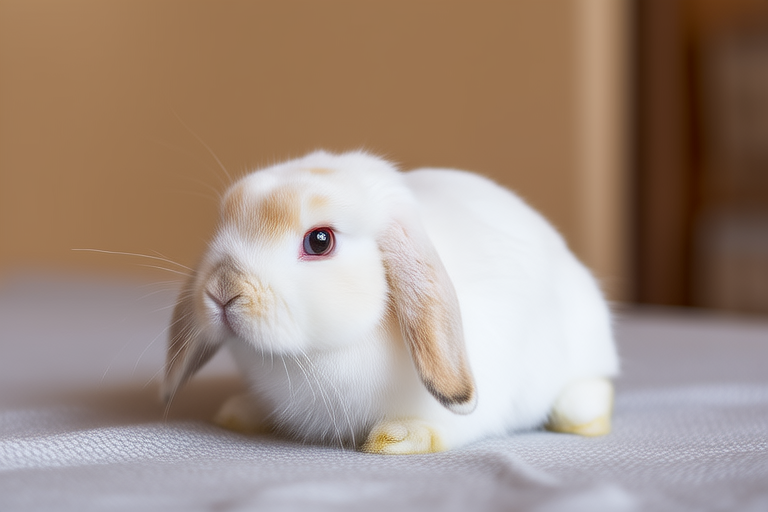
The Hotot rabbit is renowned for its striking appearance, characterized by its pure white coat and dark eye rings. These rings, which resemble mascara or eyeliner, encircle each eye perfectly, giving the rabbit an almost human-like gaze. The contrast between the stark white fur and the dark rings makes the Hotot rabbit one of the most visually appealing breeds. Their small size, typically weighing between 4 to 5 pounds, adds to their charm, making them ideal for both large and small living spaces.
Temperament: Perfect Companions for Families and Individuals
Hotot rabbits are known for their gentle and affectionate nature, making them excellent pets for families and individuals alike. They are generally calm and docile, enjoying quiet moments with their owners as much as they do time spent exploring their surroundings. Unlike some rabbit breeds, Hotots are often comfortable being held and petted, which makes them particularly suitable for children. Their friendly demeanor and playful spirit ensure that they provide endless entertainment while remaining gentle and easy to manage.
Care Requirements: Diet, Exercise, and Housing Needs
To keep your Hotot rabbit healthy and happy, it’s essential to meet their specific dietary, exercise, and housing needs.
Diet
A balanced diet is crucial for the well-being of any rabbit. Hotot rabbits thrive on a diet primarily composed of hay, fresh vegetables, and a limited amount of pellets. Timothy hay is especially recommended due to its high fiber content, which aids in digestion and dental health. Fresh vegetables such as carrots, spinach, and romaine lettuce should be provided daily, ensuring a variety of nutrients. It’s important to avoid feeding them too many fruits, as their high sugar content can lead to health issues.
Exercise
Despite their small size, Hotot rabbits require ample space to move around and play. A spacious cage or pen allows them to stretch their legs and engage in natural behaviors like hopping and digging. Additionally, providing toys and tunnels within their enclosure encourages physical activity and mental stimulation. Daily supervised playtime outside their enclosure is also beneficial, allowing them to explore new environments safely.
Housing
Adequate housing is vital for the comfort and safety of your Hotot rabbit. A large, well-ventilated cage with enough space for the rabbit to move freely is essential. The cage should be lined with soft bedding material, such as shredded paper or straw, to prevent discomfort and injury. Regular cleaning of the cage ensures a hygienic environment, promoting the overall health of your pet.
The History of the Hotot Rabbit
The Hotot rabbit breed traces its origins back to France in the early 20th century. Developed by Eugène Roulin, a French breeder, the Hotot was initially created by crossing the Flemish Giant with the Checkered Giant. The goal was to produce a rabbit with a pure white coat and distinct eye rings. Over several generations, selective breeding led to the establishment of the Hotot rabbit as a distinct breed recognized for its unique appearance and desirable traits.
The Hotot rabbit gained popularity in the United States during the mid-20th century, where it became a favorite among rabbit enthusiasts. Despite its initial success, the breed faced challenges in recent years due to declining interest. However, dedicated breeders have worked tirelessly to preserve and promote the Hotot rabbit, ensuring its continued presence in the world of domesticated animals.
Why Owning a Hotot Rabbit Can Bring Joy and Companionship
Owning a Hotot rabbit can bring immense joy and companionship into your life. Their unique appearance and friendly nature make them standout pets that bring smiles to everyone who meets them. Many owners have shared stories of how their Hotot rabbits have become cherished members of the family, providing constant companionship and entertainment.
For instance, Sarah Johnson, a mother of two, adopted a Hotot rabbit named Snowball after her children expressed a desire for a pet. She recounts, “Snowball has become a beloved member of our family. He is always there when the kids need a friend or someone to cuddle with. His gentle nature and playful spirit have brought so much happiness to our home.”
Whether you’re looking for a loyal companion or a unique addition to your household, the Hotot rabbit is sure to delight. Their distinctive appearance, combined with their affectionate and gentle temperament, makes them a wonderful choice for those seeking a special bond with their pet.
In conclusion, the Hotot rabbit is a charming and delightful pet that brings joy and companionship to its owners. With their unique appearance, gentle temperament, and specific care needs, these rabbits are well-suited for families and individuals alike. By understanding their history and providing proper care, you can ensure a long and happy relationship with your Hotot rabbit. Consider adding a Hotot rabbit to your life and experience the magic of these tiny tails and snowy coats.
