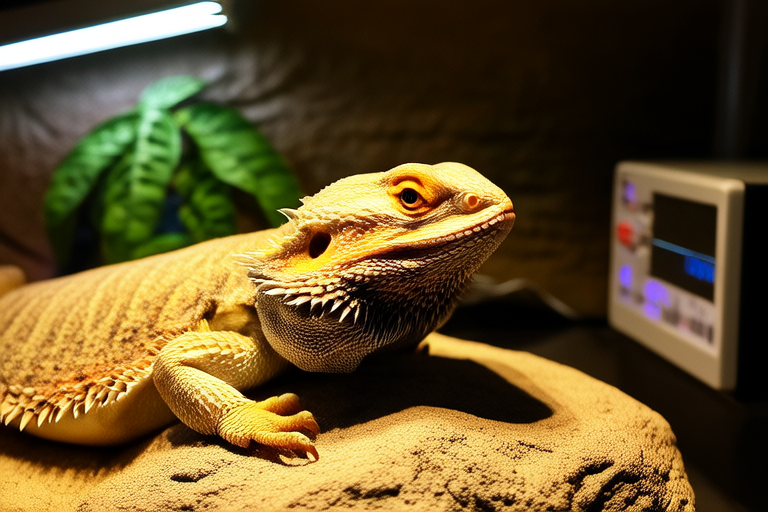
How to Ensure Your Bearded Dragon Lives Longer: Expert Advice on Proper Feeding and Maintenance
Bearded dragons are one of the most popular pet reptiles due to their docile nature and relatively low maintenance requirements. However, providing them with the best possible care is crucial for ensuring they lead long, healthy lives. Proper feeding, habitat maintenance, and health monitoring are key aspects that can significantly impact the lifespan of your bearded dragon. This article provides expert advice on these essential areas to help you give your pet the best care possible.
Importance of Proper Care for Bearded Dragon Longevity
Proper care for bearded dragons involves understanding their specific dietary needs, environmental conditions, and health requirements. By meeting these needs, you can extend the life expectancy of your bearded dragon from about 8 years up to 12 years or more. This guide will walk you through the necessary steps to ensure your bearded dragon enjoys a long, healthy life.
Optimal Feeding Practices
Diet Composition
A balanced diet is vital for the health and longevity of your bearded dragon. Their diet should consist of insects, vegetables, and fruits in the correct proportions.
- Insects: Crickets, dubia roaches, and mealworms are excellent sources of protein. It’s important to gut-load insects before feeding them to your bearded dragon. Gut-loading involves feeding the insects a nutritious diet rich in vitamins and minerals.
- Vegetables: Leafy greens like collard greens, mustard greens, and dandelion greens are beneficial. Other vegetables such as carrots, squash, and bell peppers provide essential nutrients.
- Fruits: Fruits should be given sparingly, as they are high in sugar. Apples, berries, and melons are good options.
Feeding Frequency and Portion Sizes
The amount and frequency of food depend on the age of the bearded dragon. Juvenile bearded dragons need to eat daily, while adults can be fed every other day. Portion sizes should be appropriate to the size of the dragon. Overfeeding can lead to obesity and related health issues, so it’s important to monitor their weight and adjust portions accordingly.
Hydration Methods and Clean Water
Bearded dragons require fresh, clean water for hydration. While they primarily obtain moisture from their food, especially insects, providing a shallow water dish allows them to hydrate themselves. The water dish should be cleaned regularly to prevent bacterial growth. Some bearded dragons may also enjoy misting, which can be done a few times a week to encourage drinking.
Habitat Maintenance
Temperature Regulation
Maintaining the correct temperature range within the enclosure is critical. Bearded dragons are ectothermic, meaning they rely on external heat sources to regulate their body temperature. A basking spot with temperatures between 95°F and 110°F (35°C to 43°C) is necessary. The cool side of the enclosure should be around 75°F to 85°F (24°C to 29°C). Inadequate heating can lead to lethargy and poor digestion, while overheating can cause stress and dehydration.
Lighting Requirements
Proper lighting is essential for calcium absorption and overall health. UVB light helps the dragon produce vitamin D3, which is crucial for calcium metabolism. Full-spectrum UVB bulbs should be placed within 12 inches of the basking area and replaced every six months. Additionally, bearded dragons require a 10-12 hour light cycle to mimic their natural day-night cycle.
Enclosure Cleanliness
Keeping the enclosure clean is vital for preventing infections and parasites. Substrate should be spot-cleaned daily and completely changed weekly. Cleaning all surfaces and accessories with a reptile-safe disinfectant is recommended. Regular cleaning helps maintain a healthy environment for your bearded dragon.
Health Monitoring
Regular health checks are essential for early detection of any issues. Signs of illness include loss of appetite, lethargy, abnormal feces, and changes in skin color. If you notice any of these symptoms, consult a veterinarian specializing in reptiles. Regular veterinary check-ups are recommended, especially for younger dragons, to ensure they are growing properly and are free from parasites.
Creating a Stimulating Environment
To enhance your bearded dragon’s quality of life, provide enrichment activities. This can include climbing structures, hiding spots, and toys designed for reptiles. These items encourage exercise and mental stimulation, which are important for their overall well-being. Rotate these items periodically to keep the environment interesting and engaging.
In conclusion, by following the guidelines outlined in this article, you can ensure your bearded dragon enjoys a long, healthy, and happy life. Proper feeding, habitat maintenance, health monitoring, and environmental enrichment are all crucial components of responsible pet ownership. With dedication and attention to detail, you can provide your bearded dragon with the best possible care.
