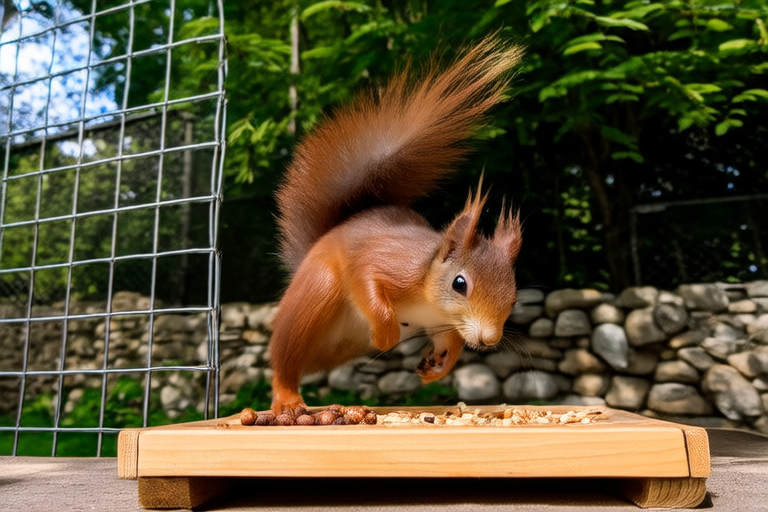
How to Build the Ultimate Backyard Habitat for Wild Squirrels
Creating a backyard habitat for wild squirrels is not only a rewarding endeavor but also an essential step towards supporting local wildlife. This guide will help you design a space that provides everything a squirrel needs to thrive: shelter, food, water, and protection from predators. We’ll cover selecting appropriate trees and plants, providing safe water sources, constructing nesting boxes, ensuring food availability year-round, creating hiding spots and tunnels, maintaining safety from predators and common dangers, and emphasizing the importance of sustainable practices.
Selecting Appropriate Trees and Plants
The foundation of any successful backyard habitat is the selection of suitable trees and plants. Native species are generally the best choice as they provide natural food sources and nesting materials for squirrels. In warmer climates, consider planting oak, hickory, or walnut trees which produce acorns, nuts, and seeds that squirrels love. For cooler regions, maple, birch, and pine trees offer a variety of edible fruits and seeds. Shrubs like elderberry, serviceberry, and dogwood can also be beneficial, providing both food and cover.
When choosing plants, it’s important to consider the local climate. In arid regions, drought-resistant species such as sagebrush or cacti might be more suitable. In areas with heavy rainfall, opt for moisture-loving plants like ferns or azaleas. Additionally, avoid invasive species that could outcompete native flora and fauna.
Providing Safe Water Sources
Access to clean, fresh water is crucial for squirrels’ survival. While they can obtain some moisture from their diet, especially fruits and vegetables, providing additional water sources ensures their health. Bird baths are excellent options; however, ensure they have shallow edges so squirrels can easily drink and bathe. Alternatively, create small ponds or streams within your yard, which not only serve as water sources but also add aesthetic value.
In colder climates, consider installing heated bird baths to prevent water from freezing. Place these near trees or shrubs where squirrels can quickly retreat if needed. Always keep the water source clean by regularly changing the water and scrubbing the container to remove algae and other contaminants.
Constructing Nesting Boxes
Nesting boxes provide squirrels with secure places to rest and raise their young. They should be placed at least 10 feet off the ground in trees or on poles to protect against ground predators. Use untreated wood for construction to allow natural weathering, and ensure there’s sufficient ventilation to prevent overheating during hot months. The entrance hole should be approximately 4 inches in diameter for gray squirrels and slightly larger for red squirrels.
Line the interior with soft materials like shredded paper or dried grass to make it comfortable. To encourage squirrels to use the box, place it near existing nests or feeding stations. Be patient – it may take time for squirrels to discover and inhabit the new structure.
Ensuring Food Availability Year-Round
Providing consistent access to nutritious foods is vital for sustaining squirrel populations throughout the seasons. In spring and summer, plant fruit-bearing trees and bushes such as apple, cherry, or plum. These fruits are rich in vitamins and minerals necessary for growth and reproduction. During autumn, focus on trees that bear nuts and seeds, including hazelnut, pecan, and sunflower.
Supplement natural food sources with supplemental feeders stocked with high-quality squirrel food mixes available at pet stores. Place feeders away from busy areas to minimize disturbance. Regularly clean and refill feeders to maintain hygiene and attract regular visitors.
Creating Hiding Spots and Tunnels
Hiding spots and tunnels offer squirrels protection from predators and harsh weather conditions. Incorporate dense shrubbery, rock piles, or artificial burrows into your landscape design. Logs arranged horizontally can serve as bridges between trees or platforms for resting and observing surroundings. Underground tunnels made from PVC pipes or hollow logs provide safe passage through your yard.
Ensure these structures are securely anchored to prevent collapse or movement. Position them strategically around your property to connect various points of interest, encouraging exploration and play among resident squirrels.
Maintaining Safety from Predators and Common Dangers
Predation poses one of the greatest threats to squirrels living in urban environments. Cats, dogs, birds of prey, and raccoons all pose potential risks. To mitigate these dangers, install fencing around vulnerable areas like bird baths or feeding stations. Use motion-activated sprinklers or ultrasonic devices to deter unwanted visitors without harming wildlife.
Additionally, trim low-hanging branches and remove debris that could serve as hiding places for predators. Educate neighbors about the importance of keeping pets indoors during peak activity times (early morning and late afternoon) to further enhance safety measures.
Emphasizing Sustainable Practices
Sustainability plays a key role in maintaining healthy ecosystems. Avoid using chemical pesticides, herbicides, or fertilizers that could contaminate soil and water supplies. Instead, adopt organic gardening techniques that promote biodiversity and ecological balance. Composting kitchen scraps provides valuable nutrients for plants while reducing waste.
Encourage community involvement by sharing knowledge about backyard habitats through social media platforms or neighborhood gatherings. Collaborative efforts foster greater awareness and support for conservation initiatives aimed at protecting wildlife habitats.
Monitoring Squirrel Activity Without Disturbing Them
To monitor squirrel activity without causing stress, set up cameras equipped with infrared sensors capable of capturing nighttime footage discreetly. Position them near feeding stations or nesting boxes at heights inaccessible to curious children or pets. Review recordings periodically to assess population trends and behavior patterns.
Alternatively, observe from inside your home using binoculars or telescopes focused on specific areas of interest. Note down observations regarding feeding habits, social interactions, and breeding cycles to contribute valuable data to ongoing research projects.
By following these guidelines, you can create a thriving backyard habitat that supports wild squirrels while promoting environmental sustainability. Enjoy watching these delightful creatures interact within their new sanctuary!
