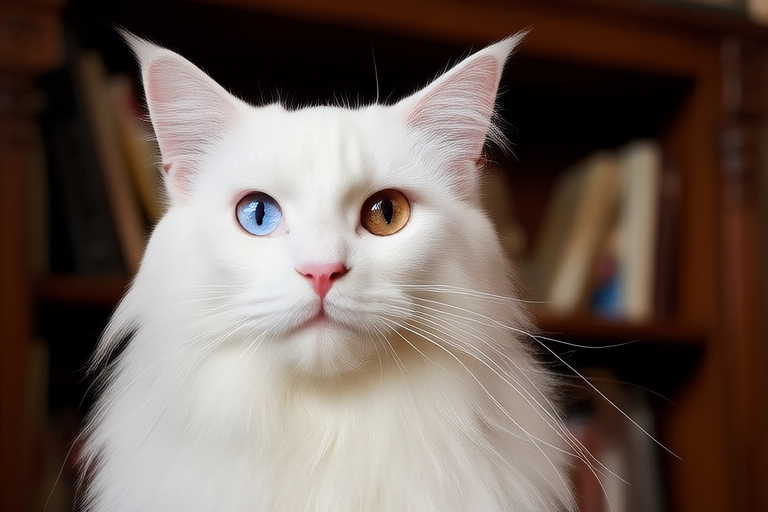
Turkish Angora: The Graceful Cat with a Rich History
The Turkish Angora, a breed of cat known for its elegance and grace, has been captivating hearts for centuries. This article delves into the origins of the Turkish Angora, its distinct physical traits, and its intriguing history. We’ll also explore its temperament, role in Turkish culture, and provide essential care tips for potential owners.
Origins and Historical Significance
The Turkish Angora traces its roots back to the ancient city of Ankara, now known as Turkey. Legends and historical records suggest that these cats have been part of Turkish culture for over 600 years. They were often found around mosques, where they were revered for their ability to control rodent populations. The breed’s name is derived from Ankara, which was formerly called Angora, and the word “Angora” itself refers to the fine, soft fur produced by certain breeds of rabbits and goats native to the region.
Historically, Turkish Angoras were considered sacred and were often gifted to foreign dignitaries as tokens of goodwill. Their presence in the Ottoman Empire was significant, and they were mentioned in various historical texts and even in literature. In the 17th century, French naturalist Buffon wrote about the Turkish Angora, describing it as a cat of great beauty and elegance. This recognition helped solidify the breed’s reputation across Europe.
During the 20th century, Turkish Angoras gained popularity in North America when they were introduced to cat shows. In 1962, the Cat Fanciers’ Association (CFA) recognized the breed, further cementing its status in the world of cat breeding.
Distinguishing Physical Characteristics
One of the most striking features of the Turkish Angora is its semi-longhair coat. Unlike many long-haired breeds, the Turkish Angora’s fur is silky and light, requiring minimal grooming. The breed comes in a wide variety of colors, from white to black, and includes patterns such as tabby, tortoiseshell, and bi-color. White Turkish Angoras are particularly prized, with their blue eyes adding to their ethereal appearance.
Physically, the Turkish Angora is a medium-sized cat with a slender yet muscular build. They have a graceful and elegant posture, accentuated by their long legs and neck. Their heads are triangular with large, pointed ears and almond-shaped eyes that give them a regal appearance. The breed’s agility and athleticism are reflected in their sleek, streamlined bodies.
Despite their delicate looks, Turkish Angoras are surprisingly robust. They are known for their exceptional jumping abilities and can leap to impressive heights. Their agility and energy make them excellent companions for active households.
Temperament and Personality
The Turkish Angora is renowned for its affectionate and playful nature. These cats are highly intelligent and enjoy interactive play. They thrive on mental stimulation and are often found exploring every nook and cranny of their environment. Their curiosity and inquisitive nature make them excellent problem solvers, and they can be quite vocal, especially when seeking attention or expressing their needs.
While they are independent, Turkish Angoras form strong bonds with their human companions. They are known to be devoted to their owners and can become quite attached. However, their independence means they may not always demand constant attention but will appreciate regular interaction and playtime.
Due to their high energy levels, Turkish Angoras are not recommended for households with small children unless both parties are properly supervised. They are generally good with other pets, especially if socialized early, but their high activity levels mean they may require a more energetic companion.
