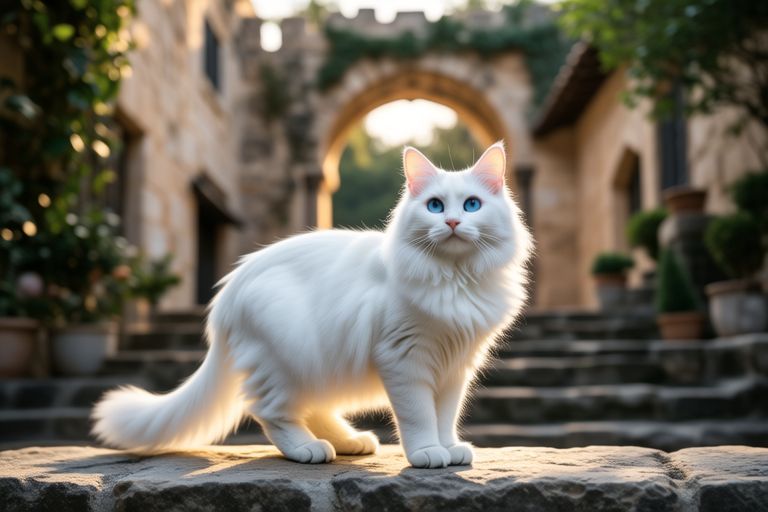
The Mythical Feline of Anatolia: Raising a Turkish Angora
The Turkish Angora, a regal and graceful feline, has captivated the hearts of many for centuries. Originating from the ancient region of Anatolia, this breed carries with it a rich history and cultural significance that extends far beyond its striking appearance. Known for their elegant physique, luxurious coat, and playful yet affectionate nature, Turkish Angoras have been cherished as symbols of grace and beauty in their homeland.
Historical and Cultural Significance
The history of the Turkish Angora can be traced back thousands of years, with references to these cats appearing in ancient Turkish folklore and literature. They were often depicted as mystical creatures, believed to possess supernatural powers and were revered by the locals. The breed was also known for its association with royalty, frequently being kept as pets by sultans and nobility.
In more recent times, Turkish Angoras have gained international recognition, particularly after being introduced to Europe and North America during the early 20th century. Today, they are celebrated at cat shows worldwide for their unique characteristics and charming personalities.
Distinctive Physical Characteristics
Turkish Angoras are medium-sized cats with long, slender bodies and fine bones. Their heads are triangular in shape, complemented by large, pointed ears and almond-shaped eyes that come in various colors, including blue, green, gold, and odd-eyed (one eye of each color).
One of the most striking features of the Turkish Angora is its luxurious, silky coat. This semi-longhair breed boasts a double-layered coat that is soft to the touch, with a smooth, flowing texture. The fur is typically white, although other colors such as black, red, and tabby patterns may also appear. The breed’s coat requires minimal grooming due to its non-matting quality, making it an ideal choice for those seeking a low-maintenance yet elegant companion.
Temperament and Personality
Turkish Angoras are known for their lively and curious nature. These cats are highly intelligent and enjoy interactive play, often displaying a playful demeanor well into adulthood. They are also known for their strong bond with their owners, forming deep emotional connections that make them loyal and affectionate companions.
Despite their playful tendencies, Turkish Angoras are generally calm and adaptable, able to thrive in various living environments. However, they require mental stimulation and social interaction to remain happy and healthy. Providing toys, puzzles, and opportunities for exploration can help satisfy their natural curiosity and prevent boredom.
Health Considerations
While Turkish Angoras are generally healthy cats, they are susceptible to certain genetic conditions, including hypertrophic cardiomyopathy (HCM) and progressive retinal atrophy (PRA). Regular veterinary check-ups and genetic testing can help identify potential issues early and ensure appropriate treatment.
Proper nutrition plays a crucial role in maintaining your Turkish Angora’s overall health. A balanced diet rich in proteins, fats, vitamins, and minerals will support their growth, development, and longevity. Consultation with a veterinarian can help determine the best food options based on your cat’s age, weight, and specific dietary needs.
Grooming Requirements
Although Turkish Angoras have a relatively low-maintenance coat, regular grooming is still necessary to keep their fur healthy and free from knots or mats. Brushing once or twice a week with a slicker brush or comb can help distribute natural oils throughout the coat, promote skin health, and prevent hairballs.
During shedding seasons, you may need to increase the frequency of brushing to remove loose hairs and minimize the amount of fur left around your home. Bathing your Turkish Angora every few months can also help maintain their coat’s cleanliness and condition.
Training and Socialization
Early socialization is essential for raising a well-adjusted Turkish Angora. Exposing your kitten to different people, animals, and environments from a young age can help build confidence and reduce anxiety in new situations. Positive reinforcement techniques, such as clicker training and reward-based methods, can be effective in teaching basic commands and encouraging good behavior.
Interactive play sessions are also important for stimulating your Turkish Angora mentally and physically. Toys that encourage chasing, pouncing, and problem-solving can provide hours of entertainment while promoting exercise and cognitive development.
Creating a Happy, Healthy Environment
To ensure your Turkish Angora thrives, it is important to create a safe and enriching environment. Provide scratching posts, climbing structures, and hiding spots to satisfy their natural instincts for climbing and exploring. Regular exercise through playtime and interactive toys can help prevent obesity and maintain muscle tone.
Adequate space is also necessary for your Turkish Angora to move freely and stretch out. Consider providing a dedicated area within your home where your cat can relax and feel secure. This could include a cozy bed, comfortable blankets, and access to windowsills or perches for watching birds and other outdoor activities.
Anecdotes and Testimonials
Many owners of Turkish Angoras share stories of the rewarding experience of raising this breed. One owner, Sarah, describes her Turkish Angora, Luna, as “a true companion.” She says, “Luna has brought so much joy and laughter into our lives. Her playful antics and loving nature make her an absolute delight to be around.”
Another owner, John, highlights the breed’s intelligence and adaptability. He notes, “Turkish Angoras are incredibly smart and quick learners. My cat, Max, has mastered several tricks and enjoys participating in games and activities with the family.”
These anecdotes underscore the unique qualities of the Turkish Angora and the fulfilling relationship that can develop between cat and owner.
