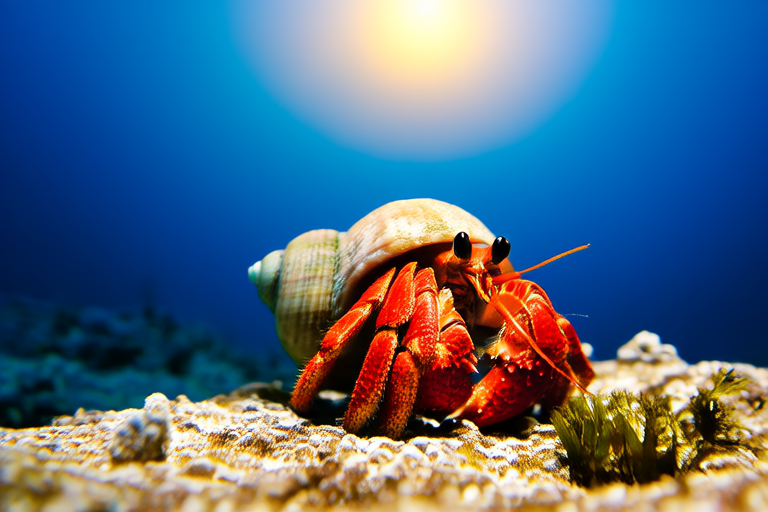
From Ocean Floor to Living Room: Journey into the Life of a Hermit Crab
The ocean floor is home to a fascinating array of creatures, each uniquely adapted to its environment. Among these, the hermit crab stands out for its peculiar lifestyle and remarkable evolutionary adaptations. This article takes you on a journey from the depths of the ocean to the comfort of your living room, exploring the life of a hermit crab.
The Unique Habitat of Hermit Crabs
Hermit crabs live predominantly in the ocean, where they thrive in diverse environments ranging from shallow coastal waters to the deep sea. These crabs are opportunistic scavengers, feeding on decaying organic matter, algae, and small marine organisms. Their habitat is rich with resources, yet it also presents numerous challenges that have driven the evolution of some fascinating adaptations.
Evolutionary Adaptations for Survival
One of the most distinctive features of hermit crabs is their use of discarded mollusk shells as protective shelters. As they grow, hermit crabs must find larger shells to accommodate their expanding bodies. This nomadic behavior, which involves constantly searching for new shells, is both a necessity and a testament to their resourcefulness. Over time, hermit crabs have developed strong claws to hold onto their shells securely and long, flexible abdomens that fit snugly within the shell’s cavity.
Nomadic Shell-Changing Behavior
The process of finding a suitable shell is a crucial aspect of a hermit crab’s life. When a hermit crab outgrows its current shell, it must venture out in search of a new one. This can be a perilous journey, as the crab is vulnerable without its protective cover. Once it finds a promising shell, the crab will inspect it carefully before making the switch. This behavior showcases the hermit crab’s intelligence and adaptability.
Challenges in the Natural Environment
Despite their clever adaptations, hermit crabs face numerous challenges in their natural environment. Predators such as octopuses, fish, and larger crustaceans pose significant threats. Additionally, environmental changes, like pollution and climate change, can disrupt their ecosystems and affect their ability to find food and suitable shells. Understanding these challenges is essential for appreciating the resilience of hermit crabs and the importance of protecting their habitats.
Life in Captivity: Care Requirements
The transition from ocean floor to living room brings hermit crabs into the realm of pet ownership. However, keeping hermit crabs as pets requires careful consideration of their specific needs. A well-maintained terrarium provides a suitable environment, mimicking their natural habitat with appropriate substrate, humidity levels, and temperature control. Owners must also provide a variety of shells for their crabs to choose from, ensuring that there is always a suitable option available as they grow.
Ethical Considerations
There are ethical considerations involved in keeping hermit crabs as pets. Many hermit crabs sold in the pet trade are captured from the wild, which can lead to overharvesting and disruption of local ecosystems. It is important for potential owners to research the origins of their crabs and choose ethically sourced alternatives when possible. Responsible pet ownership includes providing proper care and enrichment to ensure the well-being of these fascinating creatures.
Responsibilities of Owners
Owners of hermit crabs have several responsibilities to ensure the health and happiness of their pets. Regular cleaning of the terrarium, monitoring humidity levels, and providing a balanced diet are essential. Hermit crabs are omnivores, requiring a mix of proteins, vegetables, and fruits. They also benefit from occasional calcium supplements to support their exoskeleton growth. By meeting these needs, owners can create a thriving environment for their hermit crabs.
Interesting Facts About Hermit Crabs
Hermit crabs exhibit intriguing social behaviors and forms of communication. While they are often solitary in nature, hermit crabs can gather in large groups to mate or search for food. They communicate through a combination of chemical signals and vibrations, which help them locate mates and avoid predators. Their ability to recognize and respond to these signals highlights their complex social interactions.
Dietary Needs
The dietary needs of hermit crabs are varied and essential for their overall health. In addition to their omnivorous diet, hermit crabs require a source of calcium to support molting and shell maintenance. Owners can provide this through specialized hermit crab food, calcium blocks, or supplements. Ensuring a balanced diet is key to maintaining the health of these pets.
Conclusion
Understanding the natural habitats and behaviors of hermit crabs can significantly enhance their care in living rooms. By recognizing the challenges they face in the wild and replicating their natural environment in captivity, pet owners can promote better welfare and awareness. This knowledge fosters a deeper appreciation for these remarkable creatures and encourages responsible pet ownership. Through informed care and ethical practices, we can ensure that hermit crabs continue to thrive both in the ocean and in our homes.
