5 Myths About Leopard Geckos Debunked
Introduction to Leopard Geckos and Their Popularity as Pets
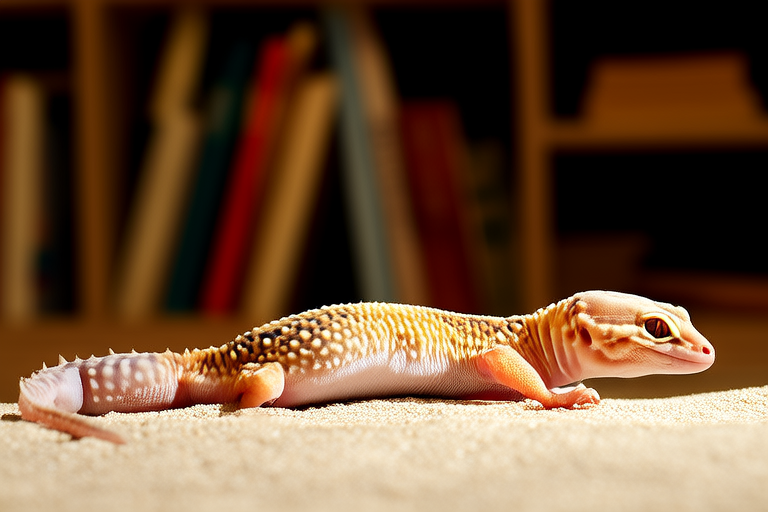
Leopard geckos (Eublepharis macularius) have gained immense popularity among reptile enthusiasts over the years. Known for their docile nature, vibrant colors, and relatively small size, these geckos make excellent pets for both beginners and experienced herpetologists alike. They are native to the arid regions of Pakistan, Afghanistan, and northwestern India, where they have adapted to harsh desert environments. In captivity, leopard geckos are prized for their ease of care, long lifespan (up to 20 years), and a wide range of color morphs that appeal to collectors.
Their adaptability to various terrarium setups, combined with their manageable dietary and environmental needs, has contributed significantly to their widespread adoption as household pets. However, despite their popularity, several misconceptions persist regarding the care and maintenance of these fascinating creatures. This article aims to address five common myths about leopard geckos and provide accurate information to ensure proper care and well-being of these reptiles.
Myth 1: Leopard Geckos Require UVB Lighting
One of the most prevalent myths surrounding leopard gecko care is the belief that these reptiles require UVB lighting. Many pet owners assume that all reptiles need ultraviolet B radiation for vitamin D synthesis, which aids in calcium absorption. While this is true for some species, such as those that bask in the sun, leopard geckos do not fall into this category.
In their natural habitat, leopard geckos inhabit rocky crevices and burrows, limiting their exposure to direct sunlight. Consequently, they have evolved to synthesize vitamin D through other means. Providing UVB lighting for leopard geckos is unnecessary and can even be harmful if it leads to excessive heat or causes stress. Instead, maintaining a consistent temperature gradient within the enclosure is crucial for their health. A proper setup includes a warm side (88-90°F) and a cool side (75-80°F) to allow the gecko to regulate its body temperature effectively.
To summarize, leopard geckos do not need UVB lighting. Ensuring a suitable thermal environment is more important for their well-being than providing artificial light sources.
Myth 2: Leopard Geckos Need Live Insects Every Day
Another misconception about leopard gecko care is the notion that these animals must be fed live insects daily. While it’s true that leopard geckos are insectivores and require a diet rich in protein, feeding them every day is not only unnecessary but can also lead to obesity and related health issues.
Adequate feeding frequency depends on the age and size of the gecko. Younger geckos, particularly juveniles, tend to eat more frequently due to their rapid growth. Typically, they should be offered food three to four times per week. Adult geckos, on the other hand, require less frequent meals—once or twice a week is usually sufficient. It’s essential to monitor your gecko’s weight and overall condition to determine the right feeding schedule.
In addition to the frequency, the type of prey matters. Crickets, mealworms, and dubia roaches are common choices, but they should be gut-loaded (fed nutritious foods themselves) and dusted with a calcium supplement before being offered to the gecko. Overfeeding can result in fatty liver disease, while underfeeding might cause malnutrition. Therefore, striking the right balance is key to maintaining your leopard gecko’s health.
Myth 3: Leopard Geckos Can Thrive at Room Temperature
Leopard geckos are often mistakenly believed to thrive at room temperature. However, this assumption overlooks the specific thermoregulatory needs of these reptiles. Leopard geckos are ectothermic, meaning they rely on external sources to regulate their body temperature. Maintaining an optimal temperature range is critical for their digestion, metabolism, and overall health.
These geckos require a distinct temperature gradient within their enclosure, typically ranging from 75-80°F on the cooler end to 88-90°F on the warmer end. The warmer area serves as a basking spot where the gecko can raise its body temperature for digestion and activity, while the cooler area provides a retreat for resting and cooling down. Without this gradient, the gecko may struggle to maintain its internal functions properly.
Additionally, maintaining the correct humidity level (30-40%) is equally important. Leopard geckos absorb moisture from their environment, and inadequate humidity can lead to dehydration and respiratory issues. Proper heating and humidity control contribute significantly to the longevity and health of your pet.
Myth 4: Leopard Geckos Are Nocturnal and Don’t Need Hides
Leopard geckos are indeed primarily nocturnal, meaning they are most active during the night. However, this does not mean they can thrive without hiding spots in their enclosures. In the wild, these geckos seek out secure locations to rest and hide from predators. Providing adequate hiding spots in captivity replicates this natural behavior and helps reduce stress.
Hides can be created using various materials, such as cork bark, plastic caves, or commercially available reptile hides. Multiple hiding places are recommended to allow the gecko to choose based on its preference and comfort level. These spaces offer a sense of security, which is vital for the gecko’s psychological well-being. Without proper hiding spots, geckos may become stressed, leading to reduced appetite, lethargy, and other health problems.
Furthermore, the hides should be placed strategically within the temperature gradient to provide options for both warm and cool areas. This setup allows the gecko to move between different temperatures as needed, enhancing its ability to regulate its body temperature effectively.
Myth 5: Leopard Geckos Are Low-Maintenance Pets
Despite their reputation as beginner-friendly pets, leopard geckos require attentive care to ensure their health and happiness. The myth that they are low-maintenance pets can lead to neglect or improper husbandry practices. While leopard geckos are generally hardy and forgiving, they still demand specific environmental conditions, regular feeding, and routine veterinary check-ups.
Proper care involves setting up a well-ventilated enclosure with the correct substrate, temperature gradient, and humidity levels. Regular cleaning and maintenance of the habitat are necessary to prevent bacterial growth and keep the environment hygienic. Feeding the gecko a balanced diet, including appropriate supplementation, is crucial for preventing nutritional deficiencies.
Veterinary care should not be overlooked. Annual check-ups, monitoring for signs of illness, and prompt treatment of any health issues are vital. Common health concerns include impaction, metabolic bone disease, and parasites. Early detection and intervention can prevent serious complications and extend the gecko’s lifespan.
By understanding and addressing these care requirements, you can provide a healthy and fulfilling life for your leopard gecko. Taking the time to learn about their specific needs will reward you with a rewarding and enjoyable pet ownership experience.
Conclusion
Debunking common myths about leopard geckos is essential for ensuring their proper care and well-being. By understanding their true lighting, feeding, temperature, and habitat needs, as well as recognizing that they are not low-maintenance pets, owners can create an environment that mimics their natural habitats and supports their health.
Proper care begins with providing the right enclosure setup, including a temperature gradient, appropriate hiding spots, and suitable substrate. A balanced diet, regular feeding schedules, and attention to hygiene and cleanliness are also critical components of their care regimen. Finally, routine veterinary check-ups and early intervention for health issues can help prevent serious complications and extend the gecko’s lifespan.
In conclusion, by addressing these myths and adopting best practices, owners can provide their leopard geckos with the care they deserve and enjoy a long, happy companionship with these remarkable reptiles.
