Comprehensive Guide for Feeding Leopard Geckos
Leopard geckos are popular pets due to their hardiness, ease of care, and fascinating behavior. Proper nutrition is crucial for maintaining your gecko’s health and longevity. This guide will walk you through the essential dietary requirements, feeding frequency, insect selection, supplementation, hydration, and monitoring techniques to ensure your leopard gecko thrives.
Essential Dietary Requirements
Leopard geckos are insectivores, meaning their diet primarily consists of insects. A balanced diet provides them with necessary nutrients, including proteins, fats, carbohydrates, vitamins, and minerals. These nutrients support growth, reproduction, and overall health.
Frequency of Feeding
The frequency of feeding depends on your gecko’s age, weight, and activity level. Hatchlings and juveniles require more frequent feedings than adults. Feed hatchlings daily, subadults every other day, and adults every two to three days. Monitor your gecko’s body condition and adjust feeding frequency accordingly.
Types of Insects Suitable for Their Diet
Offer a variety of insects to provide a well-rounded diet. Crickets are the most common feeder insects, but you can also offer dubia roaches, waxworms, silkworms, hornworms, and butterworms. Avoid wild-caught insects, as they may carry parasites or toxins harmful to your gecko.
Proper Supplementation for Calcium and Vitamins
To prevent metabolic bone disease (MBD), supplement your gecko’s diet with calcium and multivitamins. Dust insects with calcium powder containing vitamin D3 twice weekly and a multivitamin once weekly. Use phosphorus-free supplements for better absorption. Over-supplementation can lead to toxicity, so follow the manufacturer’s instructions carefully.
Tips for Gut Loading Insects Before Feeding
Gut loading involves feeding insects nutritious foods before offering them to your gecko. This enhances the nutritional value of the prey items. Offer insects a high-quality cricket diet or fresh vegetables such as carrots, sweet potatoes, and collard greens. Allow insects to digest this food for at least 24 hours before feeding them to your gecko.
The Importance of Hydration
Although leopard geckos obtain most of their water from their food, providing a shallow water dish encourages drinking and aids in shedding. Change the water daily to prevent bacterial growth and keep the enclosure clean.
Meal Size and Variety
Feed appropriate-sized insects to avoid choking hazards. The width of the insect should not exceed the width of your gecko’s head. Offer a variety of insects to prevent nutritional deficiencies and promote healthy digestion. Rotate different insect species regularly to maintain interest and balance.
Monitoring and Adjusting Feeding Habits Based on Gecko’s Age, Weight, and Activity Level
Monitor your gecko’s body condition by observing its weight, activity level, and overall appearance. A healthy gecko has firm skin, clear eyes, and an active demeanor. Weigh your gecko weekly to track changes in body mass. Adjust feeding frequency and portion sizes based on these observations.
Hatchlings and Juveniles
Hatchlings and juveniles grow rapidly and require more frequent feedings. Offer appropriately sized insects daily, adjusting the quantity based on your gecko’s appetite and growth rate. Gradually increase the size of the insects as your gecko grows.
Adults
Adults have slower metabolisms and require less frequent feedings. Feed adults every two to three days, offering smaller quantities than juveniles. Monitor your adult gecko’s weight and adjust feedings if necessary. Some adult geckos may become less active during brumation, a period of reduced activity similar to hibernation. During this time, reduce feeding frequency and monitor your gecko’s weight.
Signs of Nutritional Deficiencies and Toxicity
Recognizing signs of nutritional deficiencies and toxicity is essential for prompt intervention. Signs of MBD include lethargy, swollen limbs, and difficulty moving. Symptoms of over-supplementation include tremors, convulsions, and muscle weakness. Consult a veterinarian if you notice any of these symptoms.
Feeding Techniques
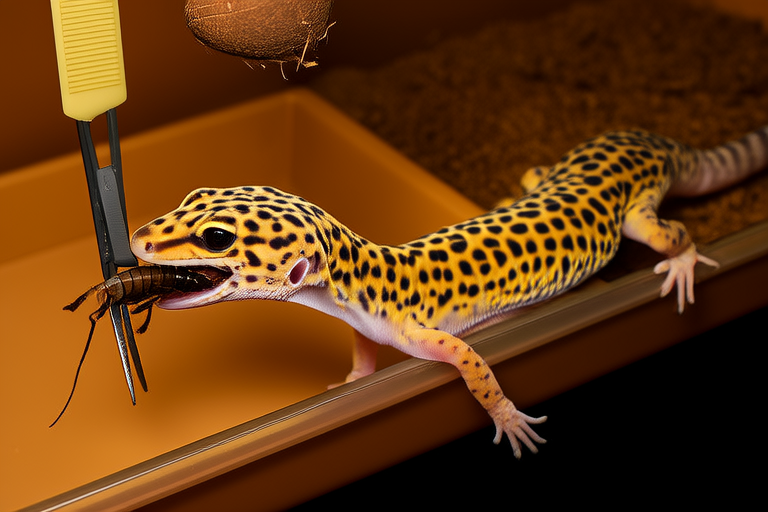
Use feeding tongs or tweezers to place insects into your gecko’s enclosure. Avoid leaving uneaten insects in the enclosure, as they may bite or stress your gecko. Remove any uneaten insects after one hour to maintain hygiene.
Conclusion
Providing a balanced and varied diet is essential for your leopard gecko’s health and longevity. By following this guide, you can ensure your gecko receives the proper nutrition, hydration, and supplementation needed for optimal health. Regularly monitor your gecko’s body condition and adjust feeding habits as needed. With proper care, your leopard gecko will thrive in captivity.
