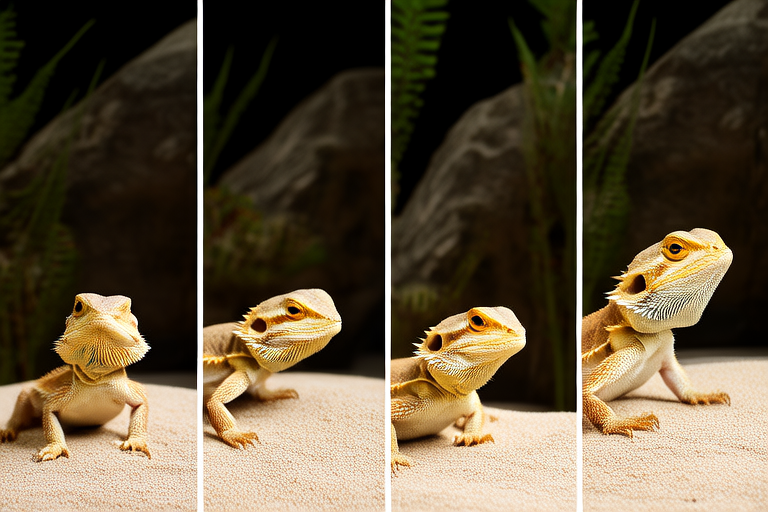
From Baby to Adult: The Ultimate Bearded Dragon Growth Guide
Welcome to your comprehensive guide on the fascinating journey of a bearded dragon from infancy to adulthood. As one of the most popular reptile pets, bearded dragons offer an incredible opportunity for reptile enthusiasts to witness their growth and development firsthand. This guide will cover the essential care instructions for each developmental stage, dietary needs, habitat setup adjustments, and common health issues to watch for. We’ll also emphasize the importance of regular veterinary check-ups and proper husbandry practices for healthy growth throughout the dragon’s life cycle.
The Infancy Stage (0-3 months)
The first three months of a bearded dragon’s life are critical for its development. During this time, they grow rapidly and require specialized care to ensure healthy growth. Baby bearded dragons are delicate and need a warm, humid environment to thrive. Here are some key points to consider:
- Habitat Setup: A 20-gallon tank is suitable for baby bearded dragons. Ensure it has a secure lid to prevent escape. Provide a shallow water dish, a hide box, and a basking area with a UVB light and a heat lamp.
- Dietary Needs: Baby bearded dragons should be fed daily with a variety of small insects such as crickets, dubia roaches, and mealworms. Dust the insects with calcium powder and multivitamins before feeding. Introduce leafy greens like collard greens and mustard greens gradually.
- Temperature and Humidity: Maintain a temperature gradient between 85-95°F during the day and slightly cooler at night. Keep humidity around 30-40%.
- Common Health Issues: Watch for signs of dehydration, impaction, and metabolic bone disease. Regularly monitor your pet’s weight and appetite.
The Juvenile Stage (3-6 months)
Between 3 and 6 months, your bearded dragon enters the juvenile stage, where growth slows down but remains significant. At this point, you can start introducing more variety into their diet and habitat. Here’s what you need to know:
- Habitat Setup: Upgrade to a 40-gallon tank if necessary. Add climbing branches and rocks for exercise and enrichment. Continue using a UVB light and heat lamp.
- Dietary Needs: Increase the size of insects and introduce vegetables like carrots, squash, and bell peppers. Offer insects every other day and vegetables daily. Continue dusting with calcium and multivitamins.
- Temperature and Humidity: Maintain temperatures between 85-90°F during the day and 70-75°F at night. Humidity should remain around 30-40%.
- Common Health Issues: Monitor for signs of parasites, respiratory infections, and digestive issues. Ensure proper shedding by providing a moist hide box.
The Subadult Stage (6-12 months)
At six months, your bearded dragon becomes a subadult. This stage is characterized by slower growth and increased activity. Here’s how to care for them:
- Habitat Setup: If not already done, upgrade to a 55-gallon tank. Ensure plenty of space for climbing and basking. Continue using a UVB light and heat lamp.
- Dietary Needs: Feed insects twice a week and vegetables daily. Offer larger prey items like dubia roaches or superworms. Continue dusting with calcium and multivitamins.
- Temperature and Humidity: Maintain temperatures between 85-90°F during the day and 70-75°F at night. Humidity should remain around 30-40%.
- Common Health Issues: Look out for signs of obesity, overgrown nails, and dental problems. Regular nail trims may be necessary.
The Adult Stage (12+ months)
Once your bearded dragon reaches adulthood, they enter a stable phase where growth ceases. Adult dragons require less frequent feeding and more space to move around. Here’s how to care for them:
- Habitat Setup: A 75-gallon tank is ideal for adult bearded dragons. Provide ample space for climbing and basking. Continue using a UVB light and heat lamp.
- Dietary Needs: Feed insects once or twice a week and vegetables daily. Offer a variety of prey items and vegetables. Continue dusting with calcium and multivitamins.
- Temperature and Humidity: Maintain temperatures between 85-90°F during the day and 70-75°F at night. Humidity should remain around 30-40%.
- Common Health Issues: Monitor for signs of obesity, skin conditions, and arthritis. Regular veterinary check-ups are crucial for early detection and treatment of health issues.
Importance of Veterinary Check-Ups and Proper Husbandry Practices
Regular veterinary check-ups are essential for maintaining your bearded dragon’s health. Reptile veterinarians can provide valuable insights into your pet’s well-being and address any potential issues before they become serious. Additionally, proper husbandry practices, including appropriate habitat setup, temperature control, and diet management, are crucial for healthy growth throughout the dragon’s life cycle.
Remember, each bearded dragon is unique, and their needs may vary based on individual factors such as genetics and environmental conditions. Always consult with a reptile veterinarian or experienced breeder for personalized advice tailored to your specific pet.
Conclusion
From infancy to adulthood, bearded dragons undergo remarkable changes that require attentive care and proper husbandry practices. By following the guidelines outlined in this ultimate growth guide, you can ensure your bearded dragon thrives and enjoys a long, healthy life. Whether you’re a new owner or an experienced enthusiast, understanding the developmental stages and specific care requirements at each stage will help you provide the best possible environment for your scaly companion.
