From Desert to Deck: Why Chameleons Are the Ultimate Exotic Pets
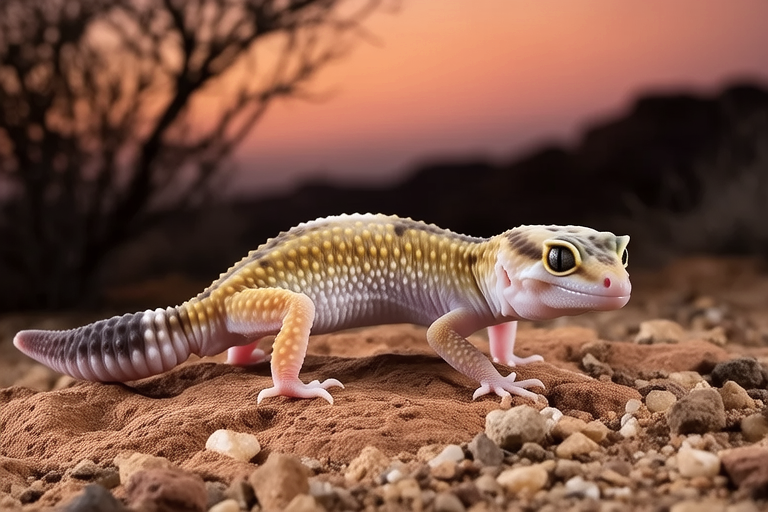
In the heart of a sun-baked desert, where heat shimmers above endless dunes and shadows stretch long into twilight, a quiet marvel moves with deliberate grace. This creature—small, watchful, and utterly mesmerizing—is the chameleon. With eyes that swivel independently like twin sentinels and skin that shifts hues like a living canvas, it seems more myth than reality. Yet today, this extraordinary reptile is finding its way into homes far removed from arid savannas and rocky outcrops—into urban apartments, suburban backyards, and even glass-enclosed terrariums on city balconies.
How can such a creature, so deeply rooted in nature’s wild extremes, thrive in the controlled environment of modern life? And why do so many dedicated pet owners willingly take on the challenge of caring for one of the most specialized animals in the exotic pet world? The answer lies not just in their breathtaking appearance, but in their remarkable intelligence, intricate behaviors, and the profound sense of wonder they inspire.
The Allure of the Uncommon: Beauty Beyond the Ordinary
Chameleons are often described as nature’s artists. Their most famous trait—the ability to change color—is not merely a party trick; it’s a complex biological response tied to mood, temperature, communication, and camouflage. While popular culture sometimes portrays them as shifting colors at will, the truth is more nuanced. A chameleon might turn deep green when calm and relaxed, shift to bright yellow or orange when agitated, or display vibrant reds during courtship—all within seconds. These changes aren’t random; they’re signals, both internal and external, revealing the animal’s state of being.
Beyond color, their physical features captivate the eye. Their eyes rotate 360 degrees independently, allowing them to scan their surroundings without moving their heads—a silent predator’s advantage. Their prehensile tails act like a fifth limb, gripping branches with precision. And their long, sticky tongues—sometimes longer than their body—can shoot out in less than a tenth of a second to snatch insects mid-air. Each detail speaks of evolutionary brilliance, making them not just visually stunning but biologically fascinating.
A World Apart: From Arid Landscapes to Urban Homes
It may seem paradoxical: how can an animal evolved for life in hot, dry deserts flourish indoors, often in climates thousands of miles away? The key lies in understanding their natural habitat—not just the climate, but the ecology. Most common pet chameleons, such as the veiled chameleon (Chamaeleo calyptratus) or the panther chameleon (Furcifer pardalis), hail from regions with distinct wet and dry seasons. They live in tree canopies where humidity fluctuates daily and temperatures vary between day and night.
This means that while they originated in arid zones, they don’t thrive in constant, dry heat. Instead, they require a carefully balanced microclimate—one that mimics their native conditions. Modern husbandry has made this possible through advanced terrarium design, precise heating and lighting systems, and automated misting devices. Today’s chameleon owners aren’t just keeping pets—they’re creating miniature ecosystems, replicating the environmental rhythms of distant jungles and highland forests.
Care That Demands Dedication: What It Really Takes
Choosing a chameleon as a pet isn’t a decision to be taken lightly. Unlike cats or dogs, these creatures don’t seek affection in the same way. They are solitary, sensitive, and highly attuned to their surroundings. This sensitivity is part of what makes them special—but also part of why they demand exceptional care.
Enclosure: More Than Just a Tank
Chameleons need vertical space. In the wild, they spend their lives climbing among branches and foliage. A horizontal tank won’t suffice. Instead, a tall, well-ventilated terrarium—preferably at least 24 inches wide, 24 inches deep, and 36 inches tall—is recommended. Mesh-sided enclosures are ideal because they allow for proper airflow, which helps prevent respiratory issues. Inside, you’ll need real or artificial plants, branches of varying thickness, and plenty of hiding spots to reduce stress.
Temperature and Humidity: The Delicate Balance
Chameleons are ectothermic—they rely on external heat sources to regulate their body temperature. A basking spot should reach around 85–90°F (29–32°C), while the cooler end of the enclosure stays around 70–75°F (21–24°C). At night, temperatures can drop slightly, but never below 65°F (18°C).
Humidity is equally critical. Most species require daytime levels between 50% and 70%, rising to 80% or higher during misting cycles. This is achieved through regular misting (twice daily), use of a fogger or humidifier, and maintaining moisture in the substrate. Dehydration is a leading cause of illness in captive chameleons, so consistent hydration is non-negotiable.
Diet: More Than Just Bugs
Chameleons are insectivores. Their diet consists primarily of crickets, roaches, mealworms, and waxworms. But it’s not enough to simply offer bugs—it’s essential to gut-load them (feed nutritious food before offering them to the chameleon) and dust them with calcium and vitamin D3 supplements. Without proper supplementation, chameleons can develop metabolic bone disease, a painful and often fatal condition.
Hydration is another area where owners must be proactive. Chameleons rarely drink from standing water. Instead, they prefer to lap droplets from leaves. Misting the enclosure several times a day, using a drip system, or placing a small water bowl (with caution, due to drowning risk) can help ensure adequate intake.
Lighting: Not Just for Heat
UVB lighting is absolutely essential. Chameleons need exposure to UVB rays to synthesize vitamin D3, which enables calcium absorption. Without it, even the best diet won’t prevent deficiencies. A full-spectrum UVB bulb, specifically designed for reptiles, should be placed over the basking area and replaced every six months, as UVB output degrades over time.
Additionally, a consistent light-dark cycle—12 hours of light followed by 12 hours of darkness—mimics their natural rhythm and supports healthy circadian function.
Common Misconceptions: What You Need to Know
Despite their growing popularity, chameleons remain misunderstood. Let’s address some persistent myths:
- “They’re low-maintenance pets.” False. Chameleons require meticulous attention to environmental parameters, diet, and hygiene. One oversight—like a missing UVB bulb or inconsistent misting—can lead to serious health problems.
- “They enjoy being handled.” Not at all. Chameleons are not social animals. Handling causes immense stress, which can weaken their immune system and even lead to death. They should be observed, not touched.
- “They’re easy to breed or raise.” Breeding chameleons requires extensive knowledge, proper housing, and ethical considerations. Many are bred in captivity, but responsible breeding involves careful planning and long-term commitment.
- “They make good pets for children.” Due to their delicate nature and need for expert care, chameleons are better suited for adults or experienced reptile keepers. Children may unintentionally harm them through rough handling or improper feeding.
Intelligence and Intrigue: The Mind Behind the Mask
While not as overtly expressive as mammals, chameleons exhibit surprising cognitive abilities. Studies have shown they can recognize individual humans, distinguish between shapes and patterns, and even learn routines based on feeding times. Some owners report that their chameleons “watch” them, turning their heads slowly to follow movement across the room.
Their slow, deliberate movements are not signs of lethargy—they’re calculated. Every motion serves a purpose: scanning for prey, avoiding predators, or assessing threats. This level of awareness makes observing a chameleon a meditative experience. Watching one pause, flick its tongue, and reposition itself is akin to witnessing a master strategist at work.
Why Chameleons Are the Perfect Pet for the Discerning Enthusiast
For many, owning a chameleon isn’t about companionship in the traditional sense. It’s about connection—with nature, with science, with the art of stewardship. These animals represent a bridge between the wild and the domestic, reminding us that beauty and complexity exist beyond the familiar.
They challenge us to think differently about pet ownership. Instead of seeking instant gratification or emotional attachment, we invest in understanding, patience, and responsibility. Caring for a chameleon teaches humility. It demands research, consistency, and a willingness to adapt. In return, it offers something priceless: a window into a world few ever get to see.
Consider this: a chameleon doesn’t bark, meow, or beg for attention. It doesn’t cuddle. But when you see it shift from a muted brown to a brilliant emerald green as it prepares to hunt, or when it slowly turns its head to lock eyes with you—there’s a moment of pure connection. A silent conversation. A shared appreciation for the intricacies of life.
A Thoughtful Conclusion: Adventure in a Terrarium
Chameleons are not just pets. They are living works of art, walking testaments to evolution’s ingenuity. From the deserts of Africa to the decks of modern homes, their journey reflects humanity’s enduring fascination with the unknown—and our capacity to nurture it responsibly.
They are the ultimate exotic pet not because they are flashy or easy, but because they demand excellence. Because they reward curiosity. Because they remind us that true beauty often lies in complexity, in subtlety, in silence.
If you’re drawn to chameleons, ask yourself: Are you ready to step into a world of precision and purpose? Can you commit to the science behind their care? Will you respect their solitude and honor their needs?
If your answer is yes, then welcome. Welcome to a realm where every droplet of mist matters, where every branch is a stage, and where a quiet, watching eye holds the wisdom of millions of years of survival. Welcome to the extraordinary life of the chameleon.
In the end, the true magic of the chameleon isn’t just in its color-changing skin or lightning-fast tongue. It’s in the quiet courage of a creature that thrives not despite the challenges of captivity—but because of the dedication of those who choose to understand, protect, and cherish it. From desert to deck, they remind us that adventure isn’t always loud. Sometimes, it’s simply watching a tiny, ancient creature move with purpose across a leaf, bathed in the soft glow of a UVB lamp, alive with wonder.
