5 Myths Debunked About Leopard Geckos You Need to Know
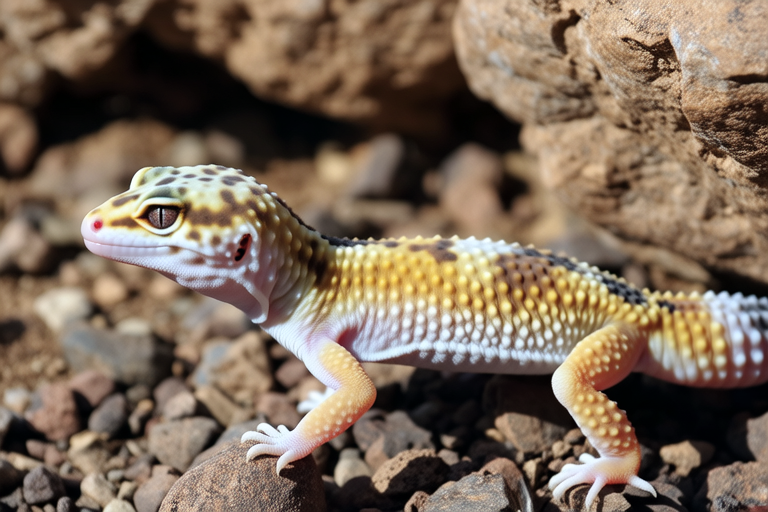
Leopard geckos are one of the most popular reptile pets in the world today. These small lizards, native to the arid regions of Asia, have captured the hearts of many due to their docile nature, ease of care, and striking appearance. Their vibrant colors and patterns make them a favorite among beginners and seasoned herpetologists alike. With their increasing popularity, numerous misconceptions have arisen regarding their care and behavior. This article aims to debunk five common myths about leopard geckos, providing you with the accurate information needed to ensure your pet’s well-being.
Myth 1: Leopard Geckos Do Not Require UVB Lighting
One of the most pervasive myths surrounding leopard geckos is that they do not need UVB lighting. While it is true that leopard geckos are nocturnal and spend much of their time underground or hiding during daylight hours, this does not mean they can survive without any exposure to UVB light. In the wild, they naturally receive some level of UVB radiation from the sun even when they are underground. In captivity, however, providing UVB lighting is crucial for maintaining their health.
UVB light helps leopard geckos synthesize vitamin D3, which is essential for calcium absorption and bone health. Without proper levels of vitamin D3, leopard geckos can develop metabolic bone disease (MBD), leading to weakened bones and potentially life-threatening conditions. Therefore, while UVB lights may not be necessary for 24/7 exposure, they should be provided during the day for a few hours to mimic natural sunlight. It’s important to use a low-output UVB bulb specifically designed for nocturnal species, as high-output bulbs can cause harm.
Myth 2: Leopard Geckos Can Live Solely on Crickets
Another misconception about leopard gecko care is that they can thrive on a diet consisting solely of crickets. While crickets are an excellent source of protein and can form part of a balanced diet, leopard geckos require a varied diet to meet all their nutritional needs. A diet lacking in variety can lead to malnutrition and health issues over time.
Leopard geckos should be fed a mix of insects such as crickets, mealworms, dubia roaches, and waxworms. Each type of insect provides different nutrients. For instance, crickets are rich in protein but can be deficient in certain vitamins and minerals. Mealworms offer more fat and can be dusted with supplements to add missing nutrients. Additionally, feeding gut-loaded insects ensures that your gecko receives the maximum benefit from its meals. Gut-loading involves feeding the insects nutritious food before offering them to the gecko, enhancing their nutritional value.
Myth 3: Leopard Geckos Do Not Need Humidity
It is often believed that since leopard geckos come from desert environments, they do not need humidity in their enclosure. This belief can be harmful because while leopard geckos do prefer dry conditions, they still require some level of humidity to maintain proper hydration and skin health.
In the wild, leopard geckos seek out moist areas occasionally, especially during shedding periods, to help them slough off their old skin. In captivity, it is recommended to provide a humid hide, which is a small enclosed area within the tank that maintains higher humidity levels than the rest of the enclosure. This allows the gecko to regulate its moisture intake as needed. The humidity inside the humid hide should be around 60-80%, while the main enclosure should remain at approximately 30-40% humidity. Proper humidity management prevents dehydration and aids in healthy shedding.
Myth 4: Leopard Geckos Hibernate Naturally in Captivity
Some people mistakenly think that leopard geckos will go into brumation (a reptile version of hibernation) if their environment becomes cooler. While leopard geckos do undergo a period of reduced activity in the wild during colder months, this is not a requirement in captivity. Brumation is a natural survival mechanism for wild animals living in harsh climates, but it is not necessary for captive leopard geckos.
Maintaining a consistent temperature range is crucial for leopard geckos’ health and longevity. In captivity, they should be kept in an environment that mimics their natural habitat’s temperature. This typically means a warm side of the enclosure between 88-90°F (31-32°C) and a cool side between 75-80°F (24-27°C). Any significant drop in temperature can stress the gecko and potentially lead to health problems. If you notice your gecko becoming less active, it is important to check the enclosure’s temperature and ensure it is within the appropriate range.
Myth 5: Leopard Geckos Do Not Need Regular Handling
There is a common misconception that leopard geckos are solitary creatures that do not enjoy interaction with humans. While leopard geckos are generally calm and easygoing, regular gentle handling can help them become more comfortable with human contact and reduce stress. Over time, handling can also strengthen the bond between you and your pet.
Leopard geckos can become accustomed to being handled regularly, making them more approachable and less likely to bite or show signs of fear. However, it is important to handle them gently and avoid excessive handling, especially during shedding or after eating. Always support the gecko’s body fully when holding it to prevent injury. Start with short handling sessions and gradually increase the duration as your gecko becomes more comfortable. This positive interaction can contribute to a healthier and happier pet.
Tips for Potential Leopard Gecko Owners
If you’re considering adopting a leopard gecko as a pet, here are some essential tips to ensure your new friend thrives:
- Proper Housing: Provide a spacious, well-ventilated enclosure with a secure lid. Include hiding spots, a humid hide, and a shallow water dish.
- Temperature Gradient: Maintain a temperature gradient within the enclosure, with a warm basking spot and a cooler area for the gecko to retreat to.
- Diet Variety: Offer a diverse diet of insects, ensuring that each type is gut-loaded and occasionally dusted with calcium and multivitamin supplements.
- Humidity Control: Use a hygrometer to monitor humidity levels and adjust as necessary. Provide a humid hide for shedding assistance.
- Regular Handling: Handle your gecko gently and regularly to help it become comfortable with human interaction.
- Veterinary Care: Schedule routine check-ups with a veterinarian who specializes in reptiles to ensure your gecko remains healthy.
By understanding and addressing these common myths, you can provide the best possible care for your leopard gecko. Remember, a well-informed owner is key to keeping these fascinating reptiles happy and healthy.
