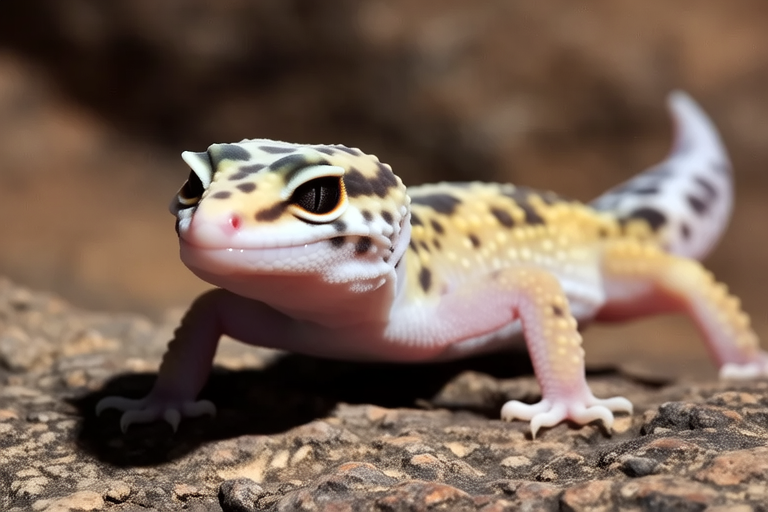
Top 10 Fascinating Facts About Leopard Geckos That Will Blow Your Mind
Leopard geckos are among the most popular pets for reptile enthusiasts. These small, charming lizards have unique traits that make them stand out from other reptiles. In this article, we’ll explore ten fascinating facts about leopard geckos that will leave you amazed.
1. Nocturnal Giants of the Desert
Leopard geckos are native to the arid regions of Afghanistan, Pakistan, India, and parts of Iran. They have adapted to live in harsh desert environments, where they thrive at night and remain hidden during the day. This nocturnal lifestyle allows them to avoid the scorching heat and conserve energy. Their sleek bodies are designed for burrowing into sand or hiding under rocks, providing protection from predators and extreme temperatures. Despite their small size, leopard geckos can grow up to 8-10 inches long, making them the largest gecko species in the world.
2. Tail for Survival
One of the most remarkable features of leopard geckos is their ability to detach their tails when threatened. This phenomenon, known as caudal autotomy, allows the gecko to escape from predators by leaving its tail behind. The detached tail continues to wiggle, distracting the predator while the gecko makes its getaway. However, losing a tail can be energetically costly, as it takes significant resources to regenerate. Fortunately, leopard geckos can regrow their tails, though the new one may not look exactly like the original. This adaptation showcases the incredible survival strategies employed by these creatures.
3. Unique Locomotion
Leopard geckos possess specialized toe pads covered with tiny hair-like structures called setae. These microscopic hairs create strong adhesive forces, allowing the geckos to climb smooth surfaces effortlessly. Unlike some other geckos, leopard geckos lack the ability to cling to vertical surfaces, but their climbing skills are still impressive. They can move swiftly across flat surfaces, making them excellent hunters in their natural habitats. This unique locomotion is due to the interaction between the setae and the surface at a molecular level, a process known as van der Waals force.
4. Cold-Blooded Masters
As ectothermic animals, leopard geckos rely on external sources of heat to regulate their body temperature. They are cold-blooded, meaning their internal temperature fluctuates depending on their surroundings. To maintain optimal body temperature, they bask under heat lamps or seek out warm spots within their enclosure. This behavior is crucial for digestion, as warmer temperatures accelerate metabolic processes. Understanding and mimicking their natural environment is essential for proper care in captivity. Providing a thermal gradient within their habitat ensures that they can thermoregulate effectively.
5. Voracious Predators
In the wild, leopard geckos are opportunistic insectivores, feeding primarily on insects such as crickets, mealworms, and waxworms. They use their keen sense of smell to locate prey and have sharp teeth and powerful jaws to capture and consume it. Leopard geckos are voracious eaters, often consuming multiple prey items in one sitting. In captivity, it’s important to provide a varied diet to ensure they receive all necessary nutrients. Gut-loading feeder insects with nutritious food before offering them to your gecko is a common practice among reptile keepers. Proper nutrition is vital for their health and longevity.
6. Vocal Communication
Unlike many other reptiles, leopard geckos are capable of producing sounds. They can emit soft chirping noises, especially during breeding season or when they feel threatened. These vocalizations serve as a form of communication, helping them establish territory and attract mates. Males are more vocal than females, often producing louder calls to defend their space or court potential partners. Captive-bred leopard geckos may also chirp, though the frequency and intensity can vary. Observing these vocal interactions can be an exciting aspect of owning these reptiles.
7. Viviparous Birth
Leopard geckos are viviparous, meaning they give birth to live young instead of laying eggs. Female leopard geckos carry their developing offspring internally until they are ready to be born. This reproductive strategy provides better protection for the developing embryos compared to egg-laying species. After a gestation period of around three months, a female can give birth to anywhere from two to eight babies. Newborn leopard geckos are fully independent and begin hunting shortly after birth. Their rapid development and independence contribute to their success in the wild.
8. Colorful Personalities
Leopard geckos come in a wide variety of colors and patterns, thanks to selective breeding in captivity. While wild leopard geckos typically have yellow or tan bodies with dark spots, captive-bred morphs exhibit vibrant hues such as red, albino, and patternless. These stunning variations are the result of genetic mutations and careful breeding practices. Each morph has its own unique beauty, making leopard geckos highly sought after by collectors and enthusiasts. Maintaining these diverse colorations requires attention to diet and environmental conditions, ensuring the health and well-being of the geckos.
9. Longevity Champions
Leopard geckos are known for their longevity, with some individuals living over 20 years in captivity. This impressive lifespan is attributed to their hardy nature and relatively simple care requirements. With proper care, including appropriate diet, housing, and veterinary attention, leopard geckos can enjoy long, healthy lives. Their adaptability and ease of care make them ideal pets for reptile enthusiasts of all experience levels. Providing a stable environment and regular health checks can significantly extend their lifespan, allowing owners to bond with their pets for decades.
10. Low Maintenance Pets
Leopard geckos are often referred to as the “gateway” reptile due to their low maintenance requirements. Their simple care needs make them an excellent choice for first-time reptile owners. A basic setup includes a terrarium with a secure lid, substrate, hiding spots, and a shallow water dish. Heating and lighting are essential for maintaining the appropriate temperature and photoperiod. Regular cleaning and monitoring of humidity levels are also important for their well-being. By understanding and meeting their basic needs, owners can ensure their leopard geckos lead happy and healthy lives.
In conclusion, leopard geckos are truly fascinating creatures with a wealth of unique characteristics and behaviors. From their ability to detach and regrow their tails to their colorful morphs and long lifespans, there is always something new to learn about these amazing reptiles. Whether you’re a seasoned reptile keeper or just starting your journey, leopard geckos offer endless opportunities for discovery and enjoyment. By providing proper care and attention, you can share in the wonder of these captivating creatures.
