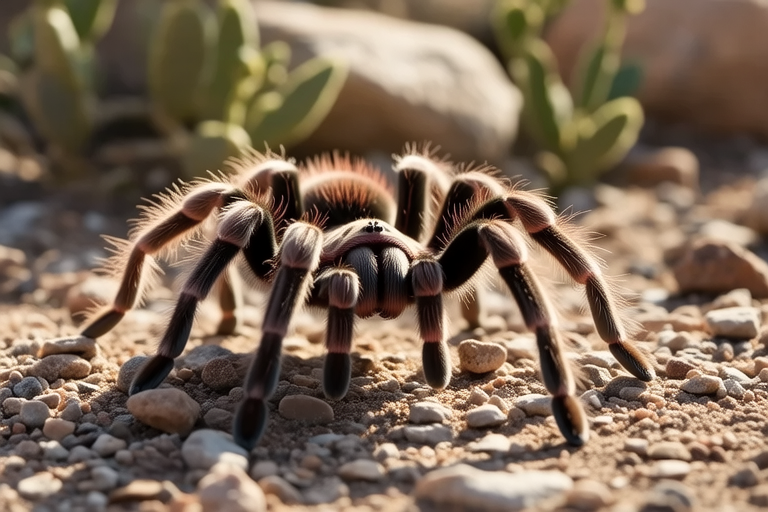
Unraveling the Secrets of the Chilean Rose Tarantula: A Complete Care Guide
Introduction
Welcome to the world of the Chilean Rose Tarantula! Known scientifically as Grammostola rosea, this species is one of the most popular tarantulas among beginners due to its docile nature and manageable care requirements. This guide aims to provide you with all the necessary information to ensure your Chilean Rose Tarantula thrives in its new home.
Habitat Setup
The first step in caring for your Chilean Rose Tarantula is setting up an appropriate habitat. These spiders are terrestrial, meaning they live primarily on the ground, and they require a secure enclosure that mimics their natural environment.
- Enclosure Size: For an adult, a tank that is at least 10 gallons (approximately 38 liters) is recommended. The height of the enclosure is more important than width, as these tarantulas prefer vertical space for climbing.
- Substrate: Use a substrate that can hold moisture without becoming soggy. Coconut fiber or peat moss mixed with vermiculite works well. Aim for a depth of around 3 inches (7.6 cm).
- Hiding Spots: Provide ample hiding spots such as cork bark or half logs. These help reduce stress and offer security.
- Decorations: Add non-toxic plants or branches for climbing and additional enrichment.
- Cleaning: Regular cleaning is essential to maintain hygiene. Spot clean daily and perform a full cleanout every few months, replacing the substrate.
Temperature and Humidity Requirements
Maintaining the right environmental conditions is crucial for your tarantula’s health.
- Temperature: Keep the temperature between 75°F to 85°F (24°C to 29°C). Use a thermometer to monitor temperatures accurately.
- Humidity: Aim for a humidity level of 50% to 60%. You can achieve this by misting the substrate lightly once or twice a week. Always ensure the enclosure has adequate ventilation to prevent mold growth.
Diet Specifics
Feeding your Chilean Rose Tarantula correctly ensures it remains healthy and active.
- Food Options: Insects like crickets, mealworms, and dubia roaches are suitable. Feed juveniles once or twice a week, while adults can be fed less frequently, typically every two weeks.
- Supplements: Dust food with calcium and multivitamin supplements to ensure your tarantula receives necessary nutrients.
- Water: Provide a shallow water dish. While tarantulas drink infrequently, having access to fresh water is important.
Handling Tips
While Chilean Rose Tarantulas are generally calm, they are not known for being particularly fond of handling.
- Preparation: Before attempting to handle your tarantula, ensure the enclosure is calm and free from disturbances.
- Approach: Gently place your hand into the enclosure, allowing the tarantula to climb onto it. Move slowly and avoid sudden movements.
- Frequency: Handle your tarantula sparingly to minimize stress. Over-handling can lead to stress-related health issues.
Health Issues
Understanding common health issues can help you spot problems early and address them effectively.
- Common Health Problems: Mites, molting complications, and infections are frequent issues. Regular observation can help catch these before they become serious.
- Signs of Illness: Lethargy, loss of appetite, and unusual behavior are red flags. Consult a veterinarian specializing in exotic pets if you notice any of these signs.
- Preventative Measures: Maintain a clean enclosure, provide a balanced diet, and monitor environmental conditions closely.
Breeding Information
Breeding Chilean Rose Tarantulas requires careful planning and consideration.
- Sexing: Determining the sex of a tarantula involves examining the epigyne (female) or spermathecae (male). This process should only be done by experienced keepers or professionals.
- Conditioning: To encourage breeding, feed both sexes a rich diet and gradually increase feeding frequency. Ensure they are housed separately until mating.
- Mating: Introduce the male and female into a neutral territory. Monitor closely as males can sometimes be injured during mating. Separate them immediately after.
- Egg Sacs: After successful mating, females will produce an egg sac containing up to 500 eggs. Incubation lasts approximately 60 days.
- Spiderlings: Spiderlings hatch and should be kept in small enclosures with plenty of food and humidity.
Conclusion
Caring for a Chilean Rose Tarantula can be incredibly rewarding. By following this comprehensive care guide, you will be well-equipped to provide your pet with the best possible life. Remember, patience and attention to detail are key. Enjoy watching your tarantula grow and thrive in its new home!
