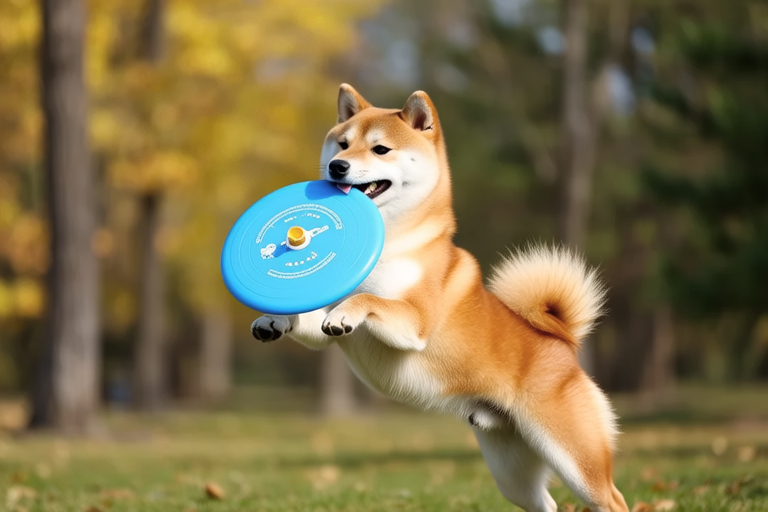
The Ultimate Guide to Owning a Spirited Shiba Inu
Introduction to Shiba Inus
Welcome to the world of the Shiba Inu, a breed that has captured the hearts of many with its unique blend of independence, loyalty, and charm. Originating from Japan, these dogs are known for their small to medium size, making them perfect companions for various living situations. Their spirited nature, combined with an independent streak, makes owning a Shiba Inu an exciting yet challenging experience.
Their Spirited Nature
Shiba Inus are often described as having a ‘fox-like’ appearance, but it’s their spirited personality that truly sets them apart. They are intelligent, alert, and have a strong sense of self. This spirit can sometimes lead to stubbornness, especially during training sessions. However, their playful and affectionate side shines through when they feel safe and comfortable with their human family.
History of Shiba Inus
The Shiba Inu has a rich history dating back thousands of years. Originally bred for hunting in the mountainous regions of Japan, they were valued for their agility, keen senses, and ability to navigate rough terrains. Despite near extinction during World War II due to bombing and disease, dedicated breeders worked tirelessly to restore the population. Today, Shibas are beloved pets around the globe, cherished for their resilience and adaptability.
Appearance of Shiba Inus
Shibas boast a striking red coat, though variations like black and tan or sesame (red with black tips) also exist. Their double coat provides excellent insulation against cold weather while keeping them cool in warmer climates. A distinctive characteristic is their curled tail, which adds to their fox-like appearance. Regular grooming helps maintain their coat’s luster and prevents matting.
Temperament of Shiba Inus
While Shibas are loyal and loving towards their families, they can be aloof or reserved around strangers. Early socialization is crucial to help them become more approachable. They tend to bond closely with one person in the household, often forming a special connection with this individual. This strong bond requires patience and understanding from owners who may find themselves challenged by the Shiba’s independent spirit.
Exercise Needs of Shiba Inus
Shibas require regular physical activity to stay healthy and happy. Daily walks, playtime in a securely fenced yard, and interactive toys keep them mentally stimulated. While they enjoy outdoor activities, Shibas also appreciate indoor games such as fetch or hide-and-seek. Ensuring your Shiba gets enough exercise helps prevent destructive behavior caused by pent-up energy.
Dietary Requirements of Shiba Inus
A balanced diet tailored to your Shiba’s age, weight, and activity level is essential. High-quality commercial dog food formulated for small breeds typically meets their nutritional needs. Avoid overfeeding to prevent obesity, which can lead to joint problems later in life. Consult with your veterinarian about appropriate portion sizes and supplement options if necessary.
Grooming Tips for Shiba Inus
Grooming a Shiba Inu involves brushing their coat weekly to remove loose hair and distribute natural oils. Bathing should occur every few months unless dirtiness necessitates more frequent washes. Pay attention to their ears and nails; clean ears regularly to prevent infections, and trim nails as needed to avoid discomfort. Professional grooming services can assist with more intensive care.
Training Techniques for Shiba Inus
Training a Shiba Inu requires consistency, positive reinforcement, and patience. Use treats and praise to encourage desired behaviors rather than punishment for mistakes. Short training sessions focusing on one skill at a time yield better results than long, overwhelming sessions. Expert trainers recommend starting early with basic commands like sit, stay, come, and leave it.
Common Health Issues in Shiba Inus
Like all breeds, Shibas are prone to certain health conditions. Hip dysplasia, patellar luxation, and eye disorders such as progressive retinal atrophy are among the concerns. Regular veterinary check-ups help catch potential issues early. Maintaining a healthy weight and providing proper nutrition contribute to overall well-being. Owners should be aware of these risks and take proactive measures to ensure their Shiba lives a long, healthy life.
Socialization Strategies for Shiba Inus
Early socialization plays a vital role in shaping your Shiba’s behavior. Expose them to various environments, people, and animals gradually to build confidence. Puppy classes offer structured opportunities for controlled interactions under professional guidance. Positive experiences during this critical period foster friendly, well-adjusted adults capable of handling new situations calmly.
Comparison with Other Breeds
When considering adopting a Shiba Inu, comparing them with other similar-sized breeds might help you make an informed decision. For instance, compared to Pomeranians, Shibas generally have fewer grooming needs but may exhibit stronger territorial instincts. Unlike Border Collies, Shibas lack the same level of herding drive but possess comparable intelligence levels. Each breed offers unique strengths and challenges, so research thoroughly before choosing your perfect companion.
Advice for First-Time Owners
Owning a Shiba Inu for the first time can be both thrilling and daunting. Here are some practical tips to ease into parenthood:
- Research extensively: Understand what to expect from a Shiba Inu before bringing one home.
- Prepare adequately: Gather necessary supplies like food bowls, toys, bedding, and grooming tools.
- Seek professional advice: Consult veterinarians and experienced owners for personalized guidance.
- Prioritize bonding: Spend quality time together to strengthen your relationship.
In conclusion, owning a Shiba Inu is a rewarding journey filled with love, laughter, and occasional challenges. By understanding their spirited nature and meeting their specific needs, you’ll form a deep bond with these remarkable creatures. Embrace each moment as you embark on this delightful adventure together.
