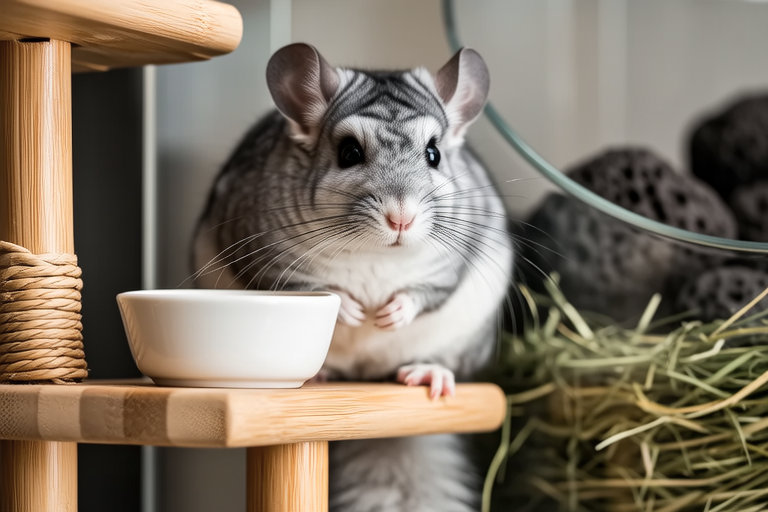
The Ultimate Guide to Creating a Perfect Habitat for Your Chinchilla
Chinchillas are delightful pets known for their soft, luxurious fur and playful nature. However, providing them with the ideal living environment is crucial to ensure their well-being and happiness. This guide will walk you through the essential steps to create a perfect habitat for your chinchilla, covering everything from cage selection to dietary needs and safety precautions.
Selecting the Right Cage Size and Type
Choosing the appropriate cage size and type is one of the most important decisions you’ll make when preparing a home for your chinchilla. Chinchillas are active creatures that require ample space to move around and play. A minimum cage size of 36 inches wide by 24 inches deep by 24 inches high is recommended for a single chinchilla, but larger cages are preferable if you have the space. For multiple chinchillas, each additional chinchilla should have at least 12 square feet of floor space.
Wire cages are the most common choice for chinchillas due to their excellent air circulation. The wire spacing should be no more than half an inch apart to prevent the chinchilla from getting stuck or escaping. Avoid plastic or glass enclosures as they can trap heat and moisture, leading to respiratory issues. Ensure the cage has a solid bottom to prevent your chinchilla’s feet from getting caught in the wires.
Essential Bedding Materials
Providing the right bedding is vital for your chinchilla’s comfort and hygiene. Wood shavings, such as aspen, are popular choices due to their low dust content and absorbency. Avoid cedar and pine shavings as they can irritate your chinchilla’s respiratory system. Paper-based bedding, like recycled paper pulp products, is another safe option that is highly absorbent and easy to clean.
Bedding depth should be about two to three inches to allow your chinchilla to burrow comfortably. Replace the bedding regularly to maintain cleanliness and prevent odor buildup. Additionally, consider adding fleece liners or towels for extra comfort and warmth, especially during colder months.
Temperature and Humidity Requirements
Chinchillas originate from the Andes Mountains in South America, where temperatures are cool and dry. They thrive in environments with temperatures between 60°F and 70°F (15°C to 21°C). Temperatures above 80°F (27°C) can be dangerous, causing heat stress or even death. Ensure your chinchilla’s living area is well-ventilated and free from direct sunlight.
Humidity levels should be kept low, ideally below 40%. High humidity can lead to skin conditions and fungal infections. Using a dehumidifier or ensuring good air circulation can help maintain optimal humidity levels. Regularly check the humidity levels in your chinchilla’s enclosure to ensure they remain within the recommended range.
Proper Ventilation
Good ventilation is crucial for preventing respiratory problems in chinchillas. Ensure the cage is placed in a well-ventilated area away from drafts and direct sunlight. Wire cages naturally provide excellent air circulation, but it’s important to avoid overcrowding the cage with too many items that could block airflow.
If you notice signs of respiratory distress, such as sneezing, nasal discharge, or labored breathing, consult a veterinarian immediately. Maintaining a clean, dry, and properly ventilated environment is key to preventing these issues.
Necessary Toys and Accessories for Mental Stimulation
Chinchillas are intelligent and curious animals that need mental stimulation to stay happy and healthy. Provide a variety of toys and accessories to keep your chinchilla entertained and mentally engaged. Chew toys made from untreated wood or cardboard are essential for dental health and provide a way for your chinchilla to relieve boredom.
Exercise wheels designed specifically for chinchillas are also beneficial. Unlike hamster wheels, these are larger and safer for chinchillas to use. Balls or tunnels made from safe materials can add excitement to their daily routine. Rotate toys periodically to keep things interesting and prevent your chinchilla from becoming bored.
Dietary Considerations for Maintaining Health
A balanced diet is crucial for your chinchilla’s overall health. The foundation of their diet should be high-quality chinchilla pellets, which provide the necessary nutrients. Fresh hay, such as timothy hay, should always be available as it aids digestion and provides essential fiber. Limit treats to small amounts of fresh fruits and vegetables, such as carrots, apples, or leafy greens.
Ensure your chinchilla has access to fresh water at all times. Water bottles with sipper tubes are preferred over bowls to prevent contamination and keep the water clean. Regularly check the water level and clean the bottle to prevent bacterial growth.
Cleaning and Maintenance Tips
Maintaining a clean habitat is essential for your chinchilla’s health. Clean the cage thoroughly at least once a week, removing soiled bedding and replacing it with fresh material. Spot-clean daily to remove waste and any spilled food.
Disinfect the cage and accessories regularly using a pet-safe cleaner. Avoid harsh chemicals that could be harmful to your chinchilla. Pay special attention to areas where your chinchilla spends the most time, such as sleeping spots or favorite toys.
Check for signs of wear and tear on the cage and replace any damaged parts promptly. Regular maintenance helps prevent accidents and ensures your chinchilla’s environment remains safe and comfortable.
Safety Precautions to Prevent Injury or Escape
Ensuring your chinchilla’s safety is paramount. Place the cage in a secure location away from other pets, young children, and areas prone to drafts or extreme temperatures. Use a lockable door or latch to prevent accidental escapes.
Inspect the cage regularly for any loose wires, sharp edges, or potential hazards. Remove any small objects that could be swallowed or pose a choking hazard. Provide safe climbing structures and hideouts to satisfy your chinchilla’s natural instincts while minimizing risks.
Supervise your chinchilla during playtime outside the cage to prevent accidents. Use a secure playpen or exercise area with smooth surfaces and no gaps large enough for escape. Always handle your chinchilla gently to avoid injury.
Conclusion
Creating a perfect habitat for your chinchilla involves careful consideration of their specific needs and preferences. By selecting the right cage size and type, providing appropriate bedding, maintaining optimal temperature and humidity levels, offering mental stimulation through toys and accessories, ensuring a balanced diet, keeping the habitat clean, and implementing safety precautions, you can ensure your chinchilla lives a healthy, happy life.
Whether you’re a first-time or experienced chinchilla owner, following these guidelines will help you provide the best possible care for your furry friend. With proper attention and love, your chinchilla will thrive in its new home.
