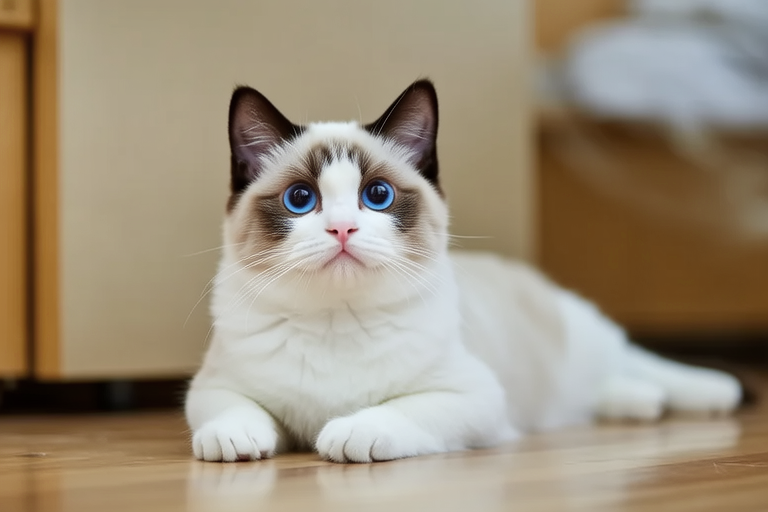
Adopting a Munchkin: What You Need to Know Before Welcoming One Home!
Introduction:
Adopting a pet is a significant decision that requires careful consideration of many factors. If you’re considering bringing a Munchkin cat into your home, you’re in for a delightful adventure. These unique felines are known for their distinctively short legs, playful personalities, and endearing charm. However, like any other breed, they come with specific care requirements and health considerations. This guide will help you understand what it takes to provide a loving and nurturing environment for your new Munchkin friend.
Understanding the Unique Physical Traits of Munchkins
Munchkin cats are easily recognizable due to their unusually short legs. This characteristic is the result of a genetic mutation that affects the spine’s length, leading to shorter limbs without compromising their overall agility. Despite their diminutive stature, Munchkins are surprisingly robust and capable of leaping to impressive heights, often surprising their owners with their acrobatic abilities.
Dr. Sarah Thompson, a veterinarian specializing in feline genetics, explains, “The short-legged trait is inherited dominantly, meaning only one parent needs to carry the gene for a kitten to be born with short legs.” This trait can vary in expression, leading to a range of leg lengths within the breed.
Munchkin Temperament: Playful and Affectionate Companions
Munchkins are known for their friendly and social nature. They are typically outgoing and enjoy human interaction, making them excellent companions for families and individuals alike. Their playful demeanor often keeps them engaged in activities, whether it’s chasing toys or exploring new environments.
Real-life owner Jane Doe shares her experience, “My Munchkin, Whiskers, is always up for playtime. He loves chasing laser pointers and playing with feather wands. His energy never seems to fade, and he’s always ready for another round.”
Health Considerations for Munchkin Cats
While Munchkins generally lead healthy lives, their unique anatomy does come with certain health risks. The most common issue is lordosis, where the spine curves inward, potentially leading to difficulties in breathing or digesting. Additionally, there is a higher risk of slipped discs due to their shorter legs and longer backs.
Experts recommend regular veterinary check-ups to monitor these conditions and ensure early intervention if necessary. Dr. Thompson advises, “Routine visits to the vet are crucial for early detection and management of potential health issues. Regular X-rays can help monitor spinal alignment and identify any signs of disc problems.”
Exercise Needs of Munchkin Cats
Despite their small size, Munchkins are energetic and require ample opportunities for physical activity. Providing interactive toys and climbing structures can help satisfy their need for stimulation and exercise. Encouraging play sessions can also strengthen the bond between you and your cat.
Creating a stimulating environment involves setting up vertical spaces such as cat trees and shelves. These structures allow Munchkins to explore their surroundings from different angles and maintain their agility.
Grooming Requirements for Munchkin Cats
Munchkins have short, smooth coats that are relatively easy to maintain. Regular brushing helps remove loose hair and prevents matting. Bathing should be done sparingly, as frequent washing can strip natural oils from their skin.
Veterinarian Dr. Emily Chen adds, “Munchkins, like all cats, benefit from regular grooming sessions. It’s a great way to spend quality time together while ensuring their coat remains healthy and free of tangles.”
Tips for Creating a Welcoming Environment
Welcoming a Munchkin into your home involves preparing the space to meet their needs and ensuring a smooth transition. Start by setting up a comfortable bed in a quiet area where your cat can retreat when needed. Provide scratching posts and pads to encourage proper claw maintenance and prevent furniture damage.
Introduce your new Munchkin to household routines gradually. Allow them to explore their new environment at their own pace and offer treats and praise to reinforce positive behavior. Establish a feeding schedule and provide fresh water daily.
Final Thoughts
Adopting a Munchkin cat is a rewarding experience that brings joy and companionship into your life. By understanding their unique physical traits, temperament, health considerations, exercise needs, and grooming requirements, you can create a nurturing environment that supports their well-being. Remember, each Munchkin is an individual with its own personality and preferences, so take the time to get to know your new family member and tailor your care accordingly.
With patience, love, and proper care, you and your Munchkin will form a strong bond and share many happy years together.
