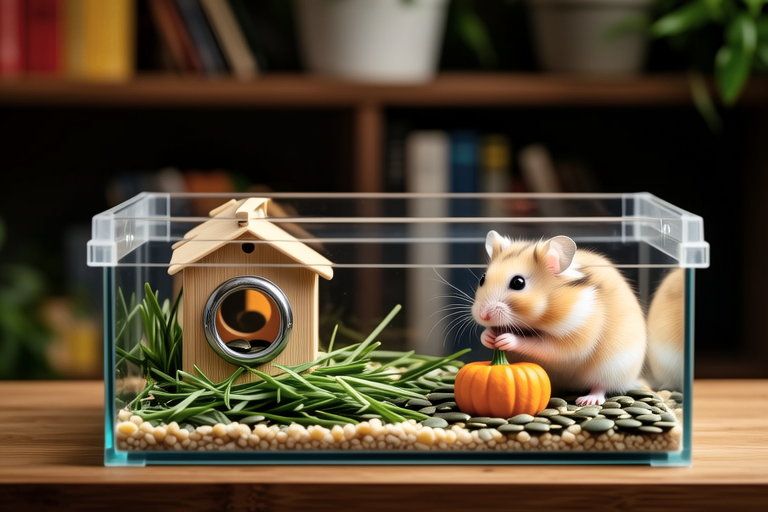
How to Create the Perfect Home for Your Golden Hamster
Welcome to your ultimate guide on creating the perfect home for your golden hamster. This comprehensive article will cover all the essential aspects of hamster care, from selecting the right cage size and type to ensuring proper ventilation, setting up safe exercise wheels, and more. Whether you’re a first-time hamster owner or an experienced one, this guide will provide you with practical advice and insights to ensure your golden hamster lives a happy and healthy life.
Selecting the Right Cage Size and Type
The first step in creating a perfect home for your golden hamster is choosing the right cage. The cage should be large enough for your hamster to move around freely and explore. A minimum cage size of 360 square inches is recommended for a single adult hamster. However, if possible, opt for a larger cage to give your pet more space to play and exercise.
There are various types of cages available in the market, including wire cages, glass aquariums, and plastic habitats. Wire cages offer excellent ventilation but can pose a risk if your hamster’s paws get caught between the wires. Glass aquariums provide better security but may lack sufficient air circulation. Plastic habitats are generally the best option as they offer both ample space and good ventilation while also being easy to clean.
Regardless of the cage type you choose, make sure it has a secure lid or door to prevent your hamster from escaping. Additionally, ensure that the cage is placed in a quiet area away from direct sunlight and drafts.
Providing Appropriate Bedding
Adequate bedding is crucial for your golden hamster’s comfort and well-being. Opt for bedding made from soft, absorbent materials like shredded paper, recycled paper, or wood shavings (avoid cedar and pine). These materials are safe for your hamster and help maintain a clean environment.
Provide at least 2-3 inches of bedding to allow your hamster to burrow and create a cozy nest. Regularly change the bedding every few days to keep the cage fresh and hygienic. Over time, old bedding can accumulate waste and odors, which can negatively affect your hamster’s health.
Ensuring Adequate Ventilation
Your golden hamster requires proper ventilation to maintain optimal air quality within its enclosure. Good airflow helps prevent the buildup of harmful ammonia from urine and other waste products. Ensure that the cage has multiple ventilation points, such as mesh sides or openings, to allow fresh air to circulate continuously.
If you’re using a glass aquarium, consider drilling additional holes or installing a small fan to enhance air circulation. Avoid placing the cage in areas with poor ventilation, such as near heaters or air conditioners, as these can cause temperature fluctuations that may stress your hamster.
Setting Up Safe Exercise Wheels
Golden hamsters are highly active creatures and need plenty of opportunities to exercise. A solid-walled exercise wheel is the safest option for your hamster, as it prevents injury from their feet getting caught in gaps. Look for wheels that are sturdy, silent, and have a diameter of at least 8 inches to accommodate your hamster’s body length.
Place the exercise wheel in a corner of the cage where it won’t obstruct other amenities. Ensure that the wheel is securely mounted and cannot tip over during use. Regularly check the wheel for wear and tear, and replace it if necessary to maintain your hamster’s safety.
Adding Hiding Spots and Tunnels
All hamsters, especially golden hamsters, need a place to retreat and feel secure. Provide your pet with several hiding spots, such as small cardboard boxes, ceramic pots, or commercially available hamster houses. These items offer a cozy retreat where your hamster can rest and sleep undisturbed.
In addition to hiding spots, tunnels and bridges can further enrich your hamster’s environment. Connect multiple tunnels to create a network of pathways for exploration. Make sure the tunnels are wide enough for your hamster to move through comfortably without feeling cramped.
Suitable Toys for Mental Stimulation
To keep your golden hamster mentally stimulated and engaged, provide a variety of toys that encourage natural behaviors such as digging, chewing, and climbing. Safe options include wooden chew sticks, untreated wicker balls, and small bells. Rotate toys periodically to keep things interesting and prevent boredom.
It’s important to avoid toys that could pose a choking hazard or contain toxic substances. Always supervise your hamster when introducing new toys to ensure they are used safely.
Dietary Needs and Feeding Practices
Your golden hamster’s diet should consist of a balanced mix of high-quality hamster food, fresh vegetables, and occasional treats. Pelleted hamster food provides essential nutrients and should form the core of your pet’s diet. Supplement this with small portions of fresh vegetables like carrots, bell peppers, and leafy greens. Avoid feeding your hamster citrus fruits, raw beans, or chocolate, as these can be harmful.
Provide a constant supply of fresh water in a sipper bottle designed for small animals. Clean the bottle daily and replace the water to prevent bacterial growth. Monitor your hamster’s eating habits and adjust the quantity of food based on their appetite to prevent obesity.
Cleaning Routines and Maintaining Hygiene
Maintaining a clean living environment is vital for your golden hamster’s health. Establish a regular cleaning routine to remove waste, refresh bedding, and sanitize the cage. Start by removing any soiled bedding and wiping down the cage walls with a mild disinfectant solution. Rinse thoroughly and allow the cage to dry completely before adding fresh bedding.
Deep clean the entire cage, including accessories, once a week. Use a stronger disinfectant for deep cleaning but ensure it is pet-safe and rinse thoroughly afterward. Regular cleaning not only keeps the cage odor-free but also reduces the risk of infections and diseases.
Temperature Control and Safety Measures
Golden hamsters thrive in temperatures between 65°F and 75°F (18°C to 24°C). Avoid placing the cage in areas exposed to extreme heat or cold, such as near windows or drafty doors. If necessary, use a small heating pad or cooling mat to regulate the temperature within the cage.
Ensure that electrical cords and other hazards are kept out of reach of your hamster. Secure the cage lid or door properly to prevent escape. Finally, always handle your hamster gently and with care to avoid causing stress or injury.
Conclusion
Creating the perfect home for your golden hamster involves careful consideration of various factors, from cage selection to dietary management. By following the guidelines outlined in this article, you can provide your hamster with a comfortable, stimulating, and safe living environment. Remember to monitor your pet’s behavior and health regularly, and consult with a veterinarian if you have any concerns. With love, attention, and proper care, your golden hamster will lead a long and joyful life.
