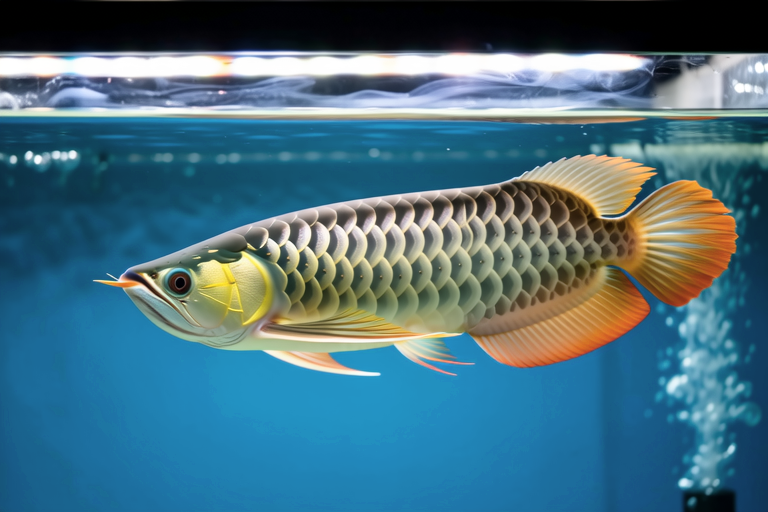
Aquarium Mastery: How to Care for Your Arowana Like a Pro
As a passionate aquarist, you may have considered adding a majestic arowana to your collection. Known for their stunning appearance and unique behaviors, these fish require specialized care. This guide will walk you through the essentials of arowana care, from setting up the perfect tank environment to maintaining optimal water conditions and understanding their dietary needs.
Setting Up the Perfect Tank Environment
Creating a suitable habitat for your arowana is paramount. These fish are large and active, so they need ample space. An aquarium of at least 300 gallons is recommended for a single adult arowana. The tank should be long rather than tall, as arowanas prefer swimming horizontally. Use a robust filtration system capable of handling high bio-load and ensuring excellent water circulation. Consider incorporating a UV sterilizer to control harmful microorganisms.
Substrate choice is important. Sand or fine gravel is ideal, as it prevents injuries from sharp edges. Decorations like driftwood, rocks, and plants can enrich the environment, but ensure they are securely placed to prevent potential hazards. Arowanas are sensitive to sudden movements and shadows, so dim lighting helps reduce stress. Provide hiding spots such as caves or dense vegetation to give them a sense of security.
Water Parameters Crucial for Arowana Health
Maintaining appropriate water quality is critical for arowana health. The pH level should range between 6.5 and 7.5, with a temperature between 78°F and 84°F. Regularly test these parameters using reliable test kits, and adjust as necessary. Ammonia and nitrite levels must be zero, while nitrate should be kept below 20 ppm. Perform partial water changes weekly to maintain cleanliness and stability.
Proper aeration is vital, especially given the size of the tank. Ensure sufficient oxygenation by using air stones or a powerful filter with an air pump. Monitor the water’s oxygen content regularly, particularly during warmer months when oxygen levels tend to drop.
Diet Specifics
Arowanas are carnivorous and require a balanced diet rich in protein. Feed them a variety of live or frozen foods, including feeder fish, shrimp, and insects. Some aquarists also offer pellets specifically designed for predatory species. Feed them twice daily, providing only what they can consume within five minutes. Overfeeding can lead to obesity and poor water quality.
It’s essential to vary their diet to ensure they receive all necessary nutrients. Introduce different types of food gradually to avoid digestive issues. Always choose high-quality feed that meets nutritional standards. Feeding time is also a good opportunity to observe your arowana’s behavior and appetite, which can provide valuable insights into their overall health.
Common Diseases and Prevention
Despite proper care, arowanas can still fall ill. Common ailments include fin rot, ich, and bacterial infections. Fin rot manifests as frayed or discolored fins, while ich appears as tiny white spots on the body. Bacterial infections often cause lethargy, loss of appetite, and reddening around the eyes.
To prevent disease, maintain pristine water conditions and quarantine new additions before introducing them to the main tank. Quarantine tanks should be equipped with similar filtration systems and water parameters as the main aquarium. Regularly inspect your arowana for any signs of illness, and treat promptly if symptoms appear. Consult with a veterinarian specializing in aquatic animals for proper diagnosis and treatment.
Tank Mates Compatibility
Selecting compatible tank mates for your arowana requires careful consideration. Ideally, they should be large enough to avoid becoming prey but small enough not to compete aggressively for resources. Suitable companions include other large, peaceful fish like pacus, silver dollars, and some catfish species. Avoid keeping arowanas with smaller, timid fish that could become stressed or injured.
Compatibility also depends on the specific temperament of each fish. Observe their interactions closely after introduction, and be prepared to separate incompatible individuals if necessary. Maintaining a stable social structure within the tank can help reduce stress and promote healthier fish.
Tips for Handling and Feeding
When handling your arowana, always use a net or a container filled with tank water to minimize stress. Avoid touching them directly unless absolutely necessary, as this can cause injury or disease transmission. Handle them gently and support their body fully to prevent damage.
Feeding should be done at consistent times each day to establish a routine. Place food near the surface where arowanas typically hunt. Watching their feeding habits can reveal much about their well-being; healthy arowanas exhibit strong appetites and active hunting behavior.
Practical Maintenance Advice
Regular maintenance is key to sustaining a healthy environment for your arowana. Test water parameters weekly and perform partial water changes every week to keep the ecosystem balanced. Clean filters and decorations regularly to prevent the buildup of harmful substances.
Monitor the tank’s temperature and pH levels closely, especially during seasonal changes. Any significant fluctuations can stress your arowana and compromise their health. Establish a regular schedule for maintenance tasks to ensure consistency and predictability in the tank’s environment.
Observing Arowana Behavior for Health Monitoring
Regularly observing your arowana’s behavior is one of the best ways to ensure its well-being. Healthy arowanas are usually active swimmers, showing interest in their surroundings and food. They should display vibrant colors and maintain sleek, smooth scales without any discoloration or lesions.
Pay attention to signs of distress, such as lethargy, unusual hiding behavior, or loss of appetite. Changes in swimming patterns or breathing rates might indicate underlying health issues. Early detection allows for timely intervention, potentially preventing more serious complications.
In conclusion, mastering arowana care involves creating an ideal living space, monitoring water conditions diligently, offering nutritious diets, preventing diseases proactively, selecting compatible tank mates wisely, handling and feeding carefully, maintaining the tank consistently, and closely observing their behavior. By following these guidelines, you can enjoy the beauty and grace of these remarkable fish while ensuring they thrive in your aquarium.
