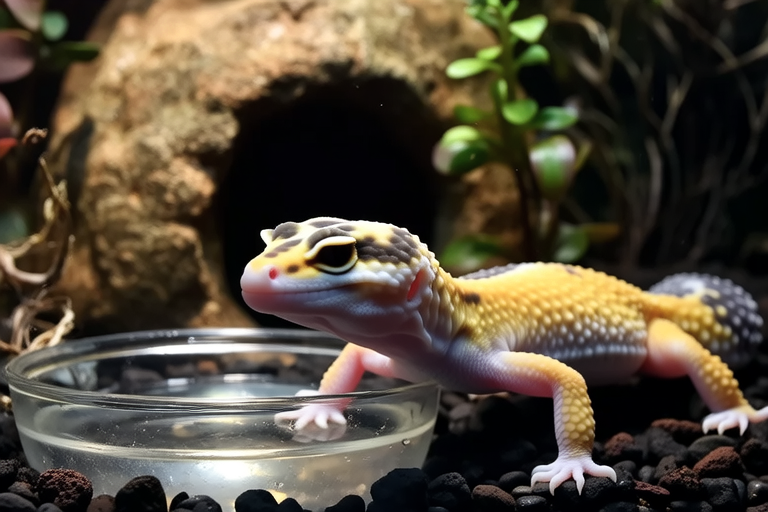
Welcome to Your Leopard Gecko Care Guide
Welcome to the world of leopard gecko ownership! This guide will help you understand the essential aspects of caring for your new pet. By following these guidelines, you’ll ensure that your leopard gecko thrives and enjoys a long, healthy life.
Habitat Setup
Creating an appropriate environment is crucial for your gecko’s well-being. Leopard geckos need a terrarium with sufficient space, ideally between 10 and 20 gallons, depending on the size of the gecko. The enclosure should have a secure lid to prevent escapes. Use a substrate that is easy to clean and doesn’t pose any risk of impaction, such as paper towels or reptile carpet. Avoid sand, gravel, or wood shavings, as they can be harmful if ingested.
In addition to a hiding spot, include a shallow water dish for drinking and soaking. Leopard geckos also enjoy climbing, so adding branches or rocks can enrich their environment. Ensure all decorations are securely placed to avoid accidents. Maintain a clean habitat by regularly removing waste and cleaning the enclosure.
Temperature and Humidity Requirements
Leopard geckos require specific temperature and humidity levels to thrive. The ideal temperature gradient ranges from 78°F (26°C) on the cool side to 90°F (32°C) on the warm side. A heat lamp or ceramic heat emitter placed outside the enclosure provides this warmth. It’s essential to use a thermostat to control the heating element and prevent overheating.
Maintain humidity levels between 30% and 40%. Leopard geckos absorb moisture through their skin, so a humid hide box filled with moistened moss or coconut fiber can help them shed properly. However, avoid overly high humidity, which may lead to respiratory issues.
Diet Specifics
Leopard geckos are insectivores, meaning their diet consists primarily of insects. Offer a variety of appropriately sized prey items, including crickets, dubia roaches, and waxworms. Feed juveniles daily and adults every other day, adjusting the quantity based on their appetite. Dust the insects with a calcium supplement containing vitamin D3 twice weekly and a multivitamin once weekly.
Avoid overfeeding, as obesity can lead to health problems. Monitor your gecko’s weight and adjust feeding accordingly. Always remove uneaten insects from the enclosure to prevent stress or injury to your pet.
Handling Tips
Leopard geckos are generally docile and can become accustomed to gentle handling. Start by allowing your gecko to get used to your presence before attempting to handle it. Gently scoop it up from behind, supporting its body with both hands. Never grab your gecko by its tail, as it may drop it in self-defense. If this happens, the tail will eventually grow back but won’t look the same as the original.
Handle your gecko for short periods initially, gradually increasing the duration as it becomes more comfortable. Avoid handling your gecko when it’s shedding or after eating, as it may be more stressed during these times.
Health Indicators and Common Issues
Regularly monitor your gecko’s behavior, appetite, and appearance for signs of illness. Healthy geckos are active, alert, and have clear eyes and smooth skin. Common health issues include metabolic bone disease, caused by calcium deficiency, and respiratory infections, often due to improper humidity levels. Signs of these conditions include lethargy, swollen joints, difficulty breathing, and wheezing.
If you notice any concerning symptoms, consult a veterinarian specializing in reptiles immediately. Early intervention can prevent minor issues from becoming severe. Regular vet check-ups are essential for maintaining your gecko’s health.
Selecting a Reputable Veterinarian
When choosing a veterinarian for your leopard gecko, select one experienced in reptile care. Ask about their qualifications, experience, and availability for emergencies. Reptile-specific veterinarians understand the unique needs of these animals and can provide the best care.
Key Do’s and Don’ts
- Do: Provide a balanced diet, maintain proper temperature and humidity, and keep the enclosure clean.
- Don’t: Overfeed your gecko or leave uneaten insects in the enclosure. Avoid handling your gecko when it’s shedding or after eating.
Conclusion
Owning a leopard gecko can be a rewarding experience. By following this care guide, you’ll create a nurturing environment for your pet and promote its longevity. Remember that each gecko is unique, so observe your pet closely and adjust its care as needed. With proper attention and care, your leopard gecko will be a delightful companion for years to come.
