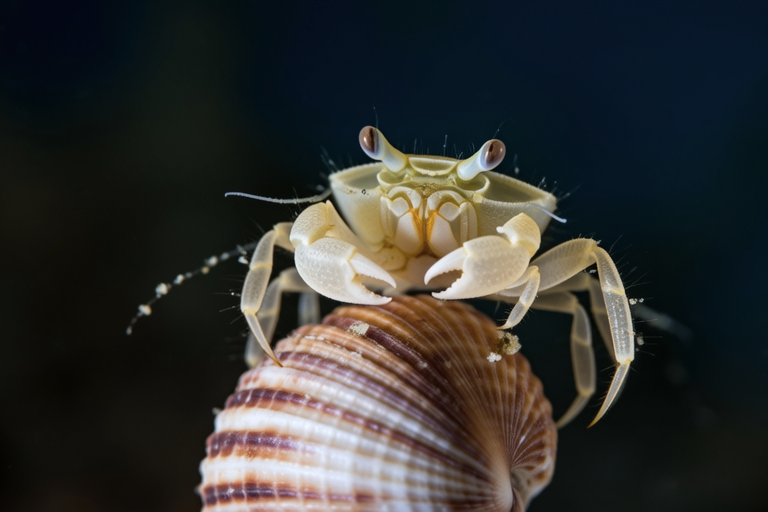
The Pea Crab: A Tiny Marvel of Marine Life
Welcome to the fascinating world of the pea crab! This diminutive crustacean is a true gem of the ocean, offering a unique glimpse into the intricate web of marine ecosystems. Despite its petite stature, the pea crab (Pinnotheres) plays a crucial role in maintaining the balance of its aquatic environment. Let’s dive into the details of this remarkable creature.
Size and Unique Characteristics
Pea crabs are aptly named due to their minuscule size, typically measuring no more than half an inch (1.27 cm) in length. Their small size is matched by their delicate appearance, with translucent bodies that can range from pale white to light brown. These crabs are characterized by their oval-shaped carapace, which is covered in fine hairs, giving them a velvety texture. Their appendages are relatively long and slender, adapted for a life of precision and agility within their host organisms.
Habitat
Pea crabs are found in coastal waters around the globe, thriving in both temperate and tropical regions. They prefer environments rich in benthic habitats, where they can easily find hosts like bivalves, sea cucumbers, or even echinoderms. The specific species of pea crab determines the type of host it chooses, with some preferring oysters, while others opt for scallops or clams. Their adaptability to various host organisms allows them to colonize diverse marine environments, from rocky shores to sandy seabeds.
Diet
As obligate parasites, pea crabs rely on their hosts for food and shelter. While they primarily feed on the soft tissues of their hosts, they also consume detritus and microorganisms found within the host’s mantle cavity. Interestingly, some species of pea crabs have been observed scavenging on dead tissue within their hosts, ensuring they make the most of their limited space.
Symbiotic Relationships
One of the most intriguing aspects of pea crabs is their symbiotic relationship with their hosts. This relationship is often described as parasitism, where the pea crab benefits at the expense of the host. However, in many cases, the impact on the host is minimal, and the relationship can be seen as commensalistic, where one organism benefits without significantly affecting the other.
For instance, pea crabs living inside oysters have been observed to protect their hosts from predators by aggressively defending the oyster’s mantle edges. In return, the oyster provides the pea crab with a safe haven and a steady supply of food. This mutualistic aspect of their relationship underscores the complexity of marine ecosystems and the interdependence of species.
Lifecycle
The lifecycle of a pea crab is a marvel of adaptation and survival. After hatching from eggs carried by the female, the larvae undergo several stages of development before settling onto a suitable host. Once attached, they undergo metamorphosis, transforming into their adult form. Female pea crabs are known to carry their eggs under their body, a behavior that ensures the safety of their offspring until they are ready to hatch.
Interestingly, male pea crabs are often smaller than females, and they play a critical role in fertilizing the eggs. The mating process involves the male crab mounting the female, a behavior that ensures successful reproduction. This intimate interaction highlights the importance of gender roles in the pea crab’s reproductive cycle.
Threats to Pea Crabs
Despite their resilience, pea crabs face numerous challenges in their environment. One of the primary threats comes from overfishing, which can lead to a decline in the population of their host species. As hosts become scarcer, pea crabs may struggle to find suitable environments for reproduction and growth. Additionally, pollution and climate change pose significant risks to their habitats, potentially altering the conditions necessary for their survival.
The Importance of Understanding Pea Crabs
Understanding the pea crab and its role in marine ecosystems is crucial for maintaining biodiversity. These tiny creatures serve as indicators of the health of their environments, reflecting changes in water quality and the availability of suitable hosts. By studying pea crabs, scientists gain insights into the broader ecological processes at play in our oceans.
Moreover, the unique adaptations of pea crabs offer valuable lessons for biotechnology and medicine. For example, the mechanisms by which pea crabs adhere to their hosts could inspire new adhesives for medical applications. Similarly, their ability to thrive in confined spaces could inform designs for miniature robotics used in deep-sea exploration.
In conclusion, the pea crab is a testament to the wonders of marine life. Its small size belies its significance in the intricate tapestry of oceanic ecosystems. By learning more about these fascinating creatures, we can better appreciate the delicate balance of nature and work towards preserving the biodiversity of our oceans.
