The Ultimate Guide to Living with a Bengal Cat: Tips and Tricks
Welcome to the world of Bengal cats! These stunning creatures, known for their striking appearance and dynamic personalities, have captured the hearts of many cat lovers. With leopard-like coats and a penchant for adventure, Bengal cats are as captivating as they are challenging. This guide will walk you through everything you need to know about living with a Bengal cat, from their dietary needs and exercise routines to grooming tips and addressing their emotional well-being.
Introduction: Understanding Bengal Cats
Bengal cats are a hybrid breed developed by crossing domestic cats with Asian leopard cats. Their wild ancestry gives them a unique set of traits that make them stand out among other domesticated felines. Bengal cats are known for their vibrant, spotted or marbled coats, which can range from brown to snow. They are highly intelligent, energetic, and often exhibit a playful curiosity that keeps them active throughout the day. While these characteristics make them delightful companions, they also require a lot of attention and stimulation to thrive.
Dietary Needs
Feeding your Bengal cat properly is crucial for maintaining their health and energy levels. Bengals have high metabolisms, so they require more food than average house cats. High-quality protein is essential, as it supports their muscle development and overall vitality. Look for cat foods that list meat or fish as the primary ingredient, avoiding fillers like corn or wheat. Wet food is recommended over dry kibble because it provides more hydration, which is important given their high activity levels.
In addition to regular meals, Bengals may benefit from occasional treats. However, be cautious not to overfeed them, as obesity can lead to serious health issues such as diabetes and arthritis. Always consult with your veterinarian about the appropriate diet for your Bengal based on its age, weight, and activity level.
Exercise Requirements
Bengal cats are naturally athletic and require plenty of physical activity to stay healthy. Providing them with opportunities to play and explore is key to preventing boredom and destructive behaviors. Interactive toys like laser pointers, feather wands, and puzzle feeders can engage their minds while keeping them physically fit.
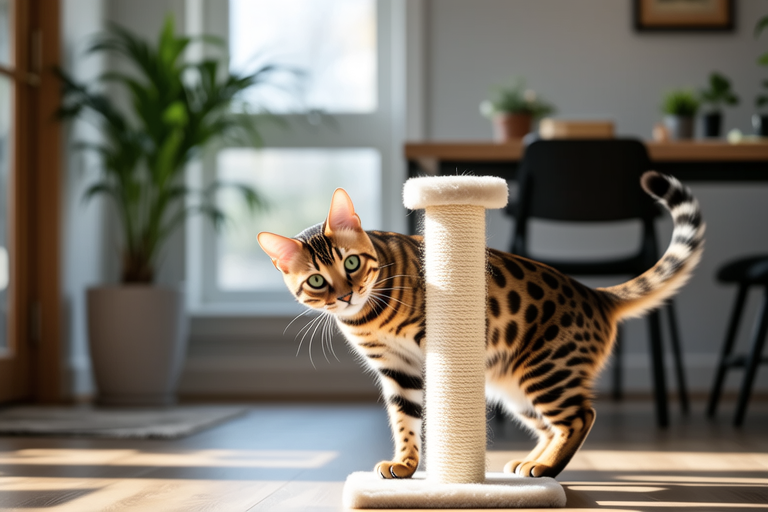
Creating a stimulating environment is also beneficial. Install cat trees or shelves that allow them to climb and perch. Consider setting up a scratching post to encourage claw maintenance instead of furniture destruction. Regular play sessions will help expend their abundant energy, ensuring they remain calm and content during quieter times.
Grooming Tips
Despite their sleek appearance, Bengal cats do shed, particularly during seasonal changes. Regular brushing helps reduce shedding and keeps their coat shiny and healthy. Use a slicker brush or a fine-tooth comb to gently remove loose fur. Bathing is generally unnecessary unless your cat gets particularly dirty, but if needed, use a cat-specific shampoo to avoid skin irritation.
Maintaining oral hygiene is equally important. Brush your Bengal’s teeth regularly to prevent dental diseases. You can introduce toothpaste made specifically for cats and gradually get them accustomed to having their mouths cleaned. Additionally, check their ears weekly for signs of infection or dirt buildup. Clean them gently with a cotton ball and a vet-approved ear cleaner if necessary.
Common Health Issues
Bengal cats are generally healthy, but certain conditions are more prevalent in this breed. Hypertrophic cardiomyopathy (HCM) is one of the most significant concerns, affecting the heart’s ability to pump blood efficiently. Early detection through regular veterinary check-ups is crucial for managing this condition.
Other common issues include patellar luxation, where the kneecap dislocates, and liver shunts, which impair normal blood flow. Regular visits to the vet, along with a balanced diet and proper exercise, can help mitigate these risks. Always keep an eye on any unusual symptoms and seek professional advice promptly.
Creating a Safe and Stimulating Environment
To ensure your Bengal cat lives happily at home, create a space that caters to their needs. Provide multiple litter boxes placed in quiet areas around the house. Bengal cats tend to be picky about cleanliness, so scoop out waste daily and change litter periodically.
Install secure window screens to prevent accidental falls. Bengals are agile climbers and might try to escape through open windows. Keep toxic plants and chemicals out of reach, as Bengals are curious and may investigate anything within their reach.
Consider providing vertical spaces such as cat trees or shelves to satisfy their climbing instincts. Bengals enjoy being up high, where they can survey their surroundings. Adding interactive toys and puzzle feeders will further stimulate their minds and bodies.
Training Techniques
Training Bengal cats requires patience and positive reinforcement. Clicker training is effective for teaching basic commands like ‘come’ and ‘sit.’ Start by clicking the clicker and immediately offering a treat when your cat performs the desired action. Over time, your cat will associate the sound of the clicker with receiving rewards.
Bengals are intelligent and can quickly learn tricks, but they may become bored easily. Keep training sessions short and fun to maintain their interest. Addressing mischievous behavior involves redirecting their energy into acceptable activities. If your Bengal starts scratching furniture, offer an alternative scratching post and reward them for using it.
Building a Strong Bond
Understanding your Bengal cat’s emotional needs is vital for building a strong bond. Bengals are social animals that enjoy interacting with their human companions. Spend quality time each day playing, cuddling, and engaging in conversation. Speak softly and calmly around your cat to create a peaceful atmosphere.
Respect their personal space when they need solitude. Some Bengals prefer periods of quiet reflection and will signal this by moving away or lying down. Recognizing and respecting these signals fosters trust and strengthens your relationship.
Consistency in routine and affection builds security for your Bengal. Establish regular feeding, play, and grooming times to provide structure. By nurturing your cat’s emotional well-being, you’ll cultivate a loving and loyal companion.
Living with a Bengal cat offers a rewarding experience filled with joy, challenge, and companionship. By following these tips and tricks, you can ensure your Bengal cat leads a happy, healthy life. Remember, every Bengal is unique, so take the time to understand and cater to their individual needs. With dedication and care, you’ll form an unbreakable bond that will bring years of happiness to both you and your beloved pet.
