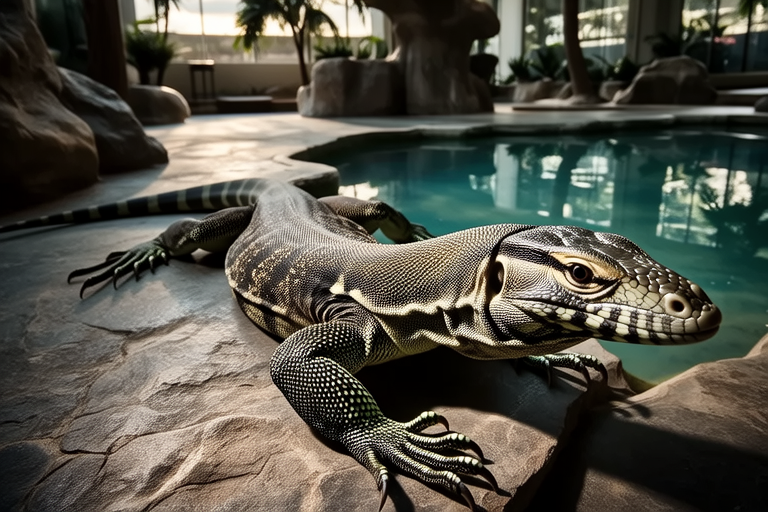
The Ultimate Guide to Living with a Water Monitor: Tips and Tricks
Water monitors (Varanus salvator) are one of the largest lizard species in the world, native to Southeast Asia. These fascinating creatures have intrigued reptile enthusiasts for years due to their impressive size, intelligence, and unique behaviors. If you’re considering bringing a water monitor into your home, this comprehensive guide will provide you with all the essential information you need to ensure your pet’s well-being and maintain a safe environment for both you and your monitor.
Basic Care Requirements
Before diving into the specifics of caring for a water monitor, it’s crucial to understand their basic needs. Water monitors require spacious enclosures, appropriate temperatures, and humidity levels to thrive. As these lizards can grow up to 7 feet in length, they demand ample space for movement and exploration. A juvenile monitor can start in a 4x2x2 foot enclosure, but adults will need a custom-built enclosure that mimics their natural habitat.
Temperature and humidity are critical factors for maintaining a healthy water monitor. The enclosure should have a basking area that reaches around 95°F (35°C), with cooler areas ranging between 80-85°F (27-29°C). Humidity levels should be kept at approximately 60-80% to prevent dehydration and respiratory issues. Proper substrate and lighting are also vital; a deep substrate like coconut fiber or cypress mulch provides necessary moisture retention, while UVB lighting supports calcium absorption and overall health.
Habitat Setup
Creating a suitable habitat for your water monitor involves replicating aspects of their natural environment. Start by providing a large tank or custom-built enclosure that allows ample room for swimming and climbing. Equip the enclosure with sturdy branches, rocks, and other climbing structures to encourage exercise and mental stimulation. Water features, such as a large pool or pond, are essential for swimming, which helps with digestion and overall health.
Ensure that the enclosure has adequate ventilation to prevent stagnant air and promote good air circulation. A secure lid or mesh top is necessary to prevent escapes and maintain the right temperature and humidity levels. Additionally, include hiding spots, such as caves or tunnels, to offer your monitor a sense of security and privacy.
Diet Specifics
Feeding your water monitor a balanced diet is crucial for its growth and longevity. In the wild, water monitors are opportunistic feeders, consuming a variety of prey items including insects, small mammals, birds, fish, and amphibians. In captivity, a diet consisting of rodents, feeder fish, and occasional insects can mimic their natural diet. It’s important to vary the diet to ensure nutritional balance and prevent obesity.
Feed your monitor appropriately sized prey items based on its age and size. Juveniles may eat smaller prey more frequently, while adults can consume larger meals less often. Always monitor feeding sessions to avoid overfeeding, which can lead to health problems. Additionally, provide fresh water daily for drinking and soaking.
Health Concerns
Regular veterinary check-ups are essential for maintaining your water monitor’s health. Common health issues include metabolic bone disease, respiratory infections, and parasites. Metabolic bone disease can occur if your monitor does not receive enough calcium or vitamin D3, leading to weakened bones and deformities. Respiratory infections may develop if the enclosure is too cold or damp, causing breathing difficulties and lethargy.
To prevent health issues, maintain proper hygiene within the enclosure. Clean the enclosure regularly, replace substrates when necessary, and sanitize water features to reduce the risk of bacterial growth. Monitor your water monitor’s behavior and appearance for any signs of illness, and consult a veterinarian if you notice unusual symptoms.
Behavior Insights
Water monitors are intelligent and curious animals that exhibit a range of behaviors. They are known for their ability to swim and climb, making them excellent climbers and swimmers. In captivity, they can learn to recognize their owners and may even show affection through gentle nudges or head rubs. However, they can also display defensive behaviors, especially if they feel threatened or uncomfortable.
Understanding your water monitor’s body language is key to interacting with it safely. Signs of stress or discomfort include tail twitching, hissing, or attempting to bite. Avoid handling your monitor during feeding times or when it’s resting, as this can cause unnecessary stress. Instead, engage with your monitor through positive reinforcement and gentle interactions to build trust and strengthen your bond.
Training Techniques
Training your water monitor can be a rewarding experience, fostering a stronger relationship between you and your pet. Positive reinforcement techniques, such as offering treats or praise for desired behaviors, can help establish a bond of trust and respect. Begin by teaching simple commands, such as coming to you when called or sitting still during handling.
Consistency is key in training. Use the same command words and gestures each time to reinforce learning. Be patient and persistent, allowing your monitor to progress at its own pace. Remember that water monitors are intelligent animals, capable of learning complex tasks, so don’t hesitate to challenge them with new tricks and activities.
Maintaining Safety for Both Monitor and Human Inhabitants
Living with a water monitor requires careful consideration to ensure the safety of both the monitor and those around it. While water monitors are generally docile, they can become defensive if they feel threatened. To minimize risks, always handle your monitor with care, supporting its body and avoiding sudden movements.
Create a secure living space for your monitor that prevents accidental escapes or injuries. This includes ensuring the enclosure is escape-proof and providing a safe environment free from hazards. Educate family members and visitors about proper handling techniques and the importance of respecting your monitor’s space.
In conclusion, living with a water monitor can be a rewarding and enriching experience. By understanding their basic care requirements, setting up an appropriate habitat, providing a balanced diet, addressing health concerns, and engaging in positive training techniques, you can ensure the well-being of your pet and maintain a harmonious relationship. With dedication and knowledge, you can enjoy the companionship of these remarkable creatures for many years to come.
