Hotot Rabbits: The Ultimate Guide for New and Curious Owners
Welcome to the world of Hotot rabbits! These charming and unique creatures have captured the hearts of many animal lovers with their striking appearance and delightful personalities. This comprehensive guide will provide you with all the essential information you need to know about Hotot rabbits, from their origins and appearance to their care and training. Whether you’re a seasoned rabbit owner or a first-time pet parent, this article will equip you with the knowledge to ensure your Hotot rabbit lives a happy and healthy life.
Introduction to Hotot Rabbits
The Hotot is a breed of domestic rabbit that has gained popularity for its distinct appearance and friendly demeanor. Originating from France, these rabbits are named after the village of Hotot-en-Brie, where they were first developed by Eugenie Bernhard. Their unique fur pattern, characterized by a white coat with black or blue eye rings, makes them instantly recognizable. Hotots come in two varieties: Black-Eyed and Blue-Eyed, each with its own charm.
Unique Appearance
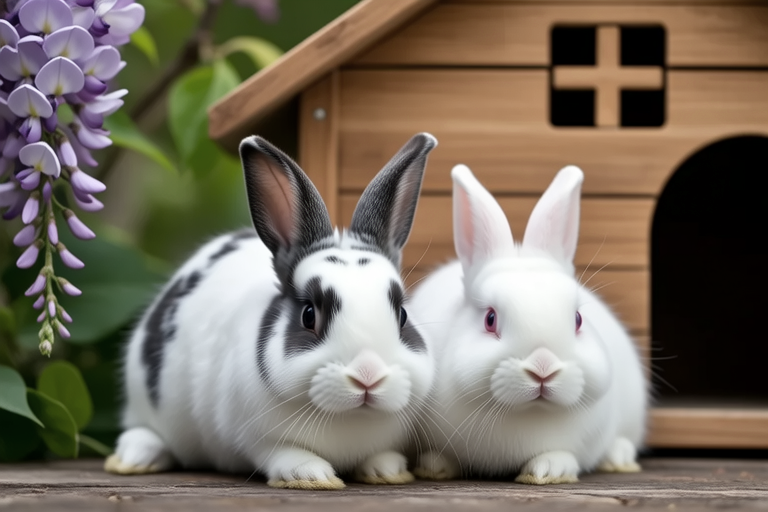
One of the most striking features of Hotot rabbits is their eye-catching fur pattern. They have a pure white coat with perfectly defined eye rings that encircle their eyes like mascara. The contrast between the white fur and the dark or blue eye rings creates an elegant and distinctive look. Their medium-sized bodies, ranging from 4 to 6 pounds, are compact and muscular, making them agile and energetic. Hotots have short ears that stand upright, adding to their overall adorable appearance.
Origin and History
The Hotot rabbit breed was developed in the early 20th century by Eugenie Bernhard, who aimed to create a rabbit with a perfect ring around its eyes. After years of selective breeding, she successfully produced the Hotot, which was recognized as a distinct breed in 1920. Initially popular in Europe, Hotots began gaining recognition in North America in the late 20th century. Today, they are cherished for their unique appearance and gentle nature.
Temperament and Behavior
Hotot rabbits are known for their calm and gentle temperament, making them excellent companions for families. They are social animals that enjoy interacting with their human caregivers and can form strong bonds with their owners. However, like any other rabbit, they require proper handling and socialization to prevent biting or scratching. Providing them with toys and activities can help stimulate their minds and reduce boredom-related behaviors.
Dietary Needs and Feeding Tips
A balanced diet is crucial for maintaining the health of your Hotot rabbit. Their diet should consist primarily of hay, which should be available at all times. Fresh vegetables, such as carrots, broccoli, and leafy greens, can be offered in moderation. High-quality pellets formulated for rabbits should also be provided to ensure they receive essential nutrients. Avoid feeding your rabbit sugary treats or foods that can cause digestive upset. Always introduce new foods gradually to prevent stomach issues.
Housing Requirements
Proper housing is essential for the well-being of your Hotot rabbit. A spacious indoor cage or outdoor hutch with plenty of ventilation is ideal. The cage should be large enough to allow the rabbit to stretch out fully and move around comfortably. Adding soft bedding, such as straw or shredded paper, can make the environment more comfortable. Environmental enrichment, such as tunnels, chew toys, and hiding spots, can enhance the rabbit’s living space and promote mental stimulation.
Grooming and Hygiene Practices
Hotot rabbits have short, dense fur that requires regular grooming to keep it clean and free of mats. Brushing your rabbit weekly can help remove loose hair and prevent hairballs. Bathing should be done sparingly, as rabbits are generally self-grooming. Regular nail trimming is necessary to prevent overgrowth, which can lead to discomfort or injury. Additionally, keeping the rabbit’s living area clean and hygienic can prevent health issues and promote a healthy lifestyle.
Health Issues Common to Hotot Rabbits
Like all rabbits, Hotots are prone to certain health issues that owners should be aware of. Common problems include dental disease, respiratory infections, and gastrointestinal issues. Regular veterinary check-ups and routine care can help detect and manage these conditions early. Monitoring your rabbit’s eating habits, droppings, and overall behavior can provide valuable insights into their health. Early intervention is key to ensuring your rabbit receives the appropriate treatment.
Exercise and Play Recommendations
Providing ample opportunities for exercise and play is vital for the physical and mental well-being of your Hotot rabbit. Supervised playtime outside the cage allows them to explore and engage in natural behaviors. Interactive toys, such as tunnels, balls, and chew toys, can stimulate their minds and keep them entertained. Ensuring they have access to a safe, enclosed area for running and hopping helps maintain their fitness and prevents obesity.
Breeding Information
If you’re interested in breeding Hotot rabbits, it’s important to understand the process and responsibilities involved. Breeding rabbits requires careful planning and attention to detail. Selecting healthy, genetically diverse rabbits is crucial for producing robust offspring. Consultation with experienced breeders and veterinarians can provide valuable guidance. Proper care during pregnancy, delivery, and the early stages of life is essential for the well-being of both the mother and her kits.
Training Techniques
Training your Hotot rabbit can enhance communication and strengthen the bond between you and your pet. Basic commands, such as coming when called or sitting still, can be taught through positive reinforcement techniques. Using treats and praise as rewards encourages desired behaviors. Consistency and patience are key to successful training. Understanding your rabbit’s body language and responding appropriately can also facilitate effective communication.
Advice on Integrating Them into a Family Setting
Integrating a Hotot rabbit into a family setting requires careful consideration and preparation. Creating a safe and welcoming environment for your new pet is essential. Introducing the rabbit to family members gradually can help them adjust to the new dynamic. Children should be supervised when interacting with the rabbit to ensure gentle handling. Establishing a routine for feeding, playtime, and grooming can help your rabbit feel secure and content within the household.
In conclusion, Hotot rabbits are wonderful companions that bring joy and beauty into the lives of their owners. By understanding their unique needs and providing proper care, you can ensure your Hotot rabbit enjoys a long, healthy, and happy life. Whether you’re a first-time rabbit owner or looking to expand your furry family, this guide offers valuable insights and practical tips to help you provide the best possible care for your Hotot rabbit.
