7 Secrets to Keeping Your Bearded Dragon Happy and Healthy at Home
Welcome to the fascinating world of bearded dragons! These charismatic reptiles have become increasingly popular as pets due to their docile nature and relatively easy care requirements. However, ensuring your bearded dragon’s happiness and health requires attention to several key areas. In this comprehensive guide, we will explore seven secrets that will help you provide the best possible environment for your scaly friend.
1. Habitat Setup: Creating a Comfortable Living Space
The first step in keeping your bearded dragon happy and healthy is setting up an appropriate habitat. The enclosure should mimic their natural desert environment, providing ample space for movement and exploration. A glass tank with a secure lid is ideal, offering ventilation while preventing escapes. For adult bearded dragons, aim for a minimum size of 4 feet by 2 feet by 2 feet. This ensures they have enough room to stretch out, bask, and move around comfortably.
Substrate selection is crucial. Avoid loose substrates like sand, which can pose choking hazards or cause impaction if ingested. Instead, opt for safer alternatives such as reptile carpet, paper towels, or tile flooring. These options are easy to clean and maintain hygiene within the enclosure.
Incorporate various climbing structures and hiding spots within the habitat. Branches, rocks, and caves encourage natural behaviors and mental stimulation. Ensure all items are securely placed to prevent tipping or falling onto your dragon. Additionally, include a shallow water dish for soaking and hydration purposes.
2. Temperature Control: Maintaining Optimal Heat Levels
Maintaining proper temperature gradients within the enclosure is essential for your bearded dragon’s well-being. Bearded dragons are ectothermic, meaning they rely on external sources to regulate their body temperature. Therefore, creating a thermal gradient allows them to thermoregulate effectively.
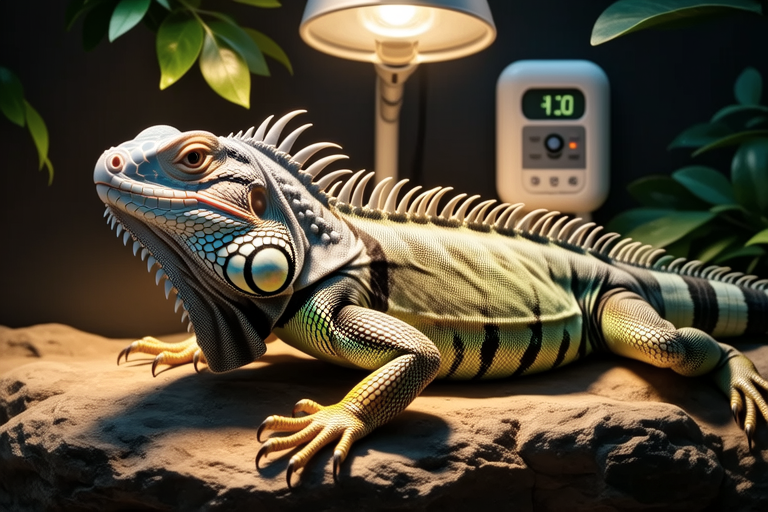
Install a basking spot on one side of the enclosure, positioned approximately 8-12 inches above the substrate. Use a heat lamp or ceramic heat emitter to achieve temperatures between 95-110°F (35-43°C). Ensure this area remains warm throughout the day, simulating sunlight exposure.
On the cooler end of the enclosure, maintain temperatures around 75-85°F (24-29°C). This allows your dragon to cool down when necessary. Utilize a thermometer and thermostat to monitor these conditions accurately. Regularly check and adjust heating elements as needed to ensure consistent temperature ranges.
3. Diet Specifics: Nourishing Your Dragon’s Appetite
A balanced diet is vital for maintaining your bearded dragon’s health. Their nutritional needs vary depending on age, but generally consist of a mix of insects, vegetables, and occasional fruits. Younger dragons require more protein-rich foods, whereas adults benefit from increased vegetable intake.
Insects such as crickets, dubia roaches, and mealworms make excellent protein sources. Dust these feeder insects with calcium powder before feeding to support bone development. Offer live prey weekly, adjusting quantities based on your dragon’s appetite and activity level.
Vegetables like collard greens, mustard greens, squash, and bell peppers provide essential vitamins and minerals. Introduce these gradually, starting with small portions and increasing as tolerated. Fruits should be given sparingly, as they contain high sugar levels. Examples include strawberries, blueberries, and mangoes.
Ensure fresh food is available daily, removing uneaten portions promptly to prevent spoilage. Clean feeding dishes regularly to maintain hygiene standards.
4. Hydration Methods: Ensuring Proper Water Intake
Bearded dragons obtain most of their moisture through their food; however, providing additional hydration methods is still important. A shallow water dish should always be present in the enclosure, allowing access for drinking and soaking. Change the water daily to keep it fresh and free from contamination.
Some dragons may prefer misting sessions over traditional water dishes. Mist the enclosure lightly two to three times per week, focusing on the basking area. This mimics dew formation found in their natural habitats and encourages drinking behavior.
Encourage regular soaks by placing your dragon in shallow lukewarm water for about 15 minutes. This helps promote hydration and aids in shedding processes. Always supervise during soak sessions and remove the water immediately after.
5. Exercise Encouragement: Promoting Physical Activity
Providing opportunities for physical activity is crucial for your bearded dragon’s overall fitness. Encourage movement by creating an enriched environment within the enclosure. Incorporate climbing branches, rocks, and tunnels that challenge them physically.
Handle your dragon gently but frequently, allowing them to explore outside the enclosure under supervision. This provides mental stimulation and mimics natural foraging behaviors. Ensure any handling sessions are short and stress-free, respecting your pet’s comfort levels.
Consider introducing interactive toys designed specifically for reptiles. These items stimulate curiosity and encourage exploration. Rotate toys periodically to maintain interest and prevent boredom.
6. Social Interaction: Building Bonds with Your Pet
While bearded dragons are generally solitary creatures in the wild, they can form strong bonds with their human caregivers. Spend quality time each day interacting with your dragon through gentle handling, speaking softly, and offering treats. Positive reinforcement techniques, such as rewarding desired behaviors with small insect snacks, can strengthen the bond further.
Respect your dragon’s boundaries and avoid forcing interactions if they show signs of discomfort. Some dragons may prefer brief, frequent interactions rather than prolonged periods of handling. Pay attention to body language cues, such as flattening of the beard or rapid tail movement, indicating stress or agitation.
Engage in activities that promote trust and confidence. Allow your dragon to explore safe environments under close supervision. Gradually increase exposure to different stimuli, ensuring they remain comfortable throughout the process.
7. Regular Health Checks: Monitoring for Early Signs of Illness
Scheduling routine veterinary appointments is crucial for maintaining your bearded dragon’s health. Annual check-ups allow veterinarians to assess overall well-being, identify potential issues early, and recommend preventive measures. Familiarize yourself with common signs of illness, including loss of appetite, lethargy, abnormal stool consistency, or changes in skin coloration.
Monitor your dragon’s weight regularly using a digital scale. Sudden weight gain or loss could indicate underlying health problems requiring immediate attention. Keep accurate records of feeding habits, shedding cycles, and any behavioral changes. Share this information with your veterinarian during consultations.
Implement quarantine procedures for newly acquired dragons or those exposed to other reptiles. Isolate them temporarily to observe for any signs of illness before introducing them into your existing collection. This precautionary measure helps prevent the spread of infectious diseases.
By adhering to these seven secrets, you’ll create an optimal living environment for your bearded dragon, fostering happiness and longevity. Remember that every dragon has unique preferences and requirements, so remain attentive and adaptable in meeting their needs. With proper care and attention, you can enjoy many years of companionship with this remarkable reptile.
