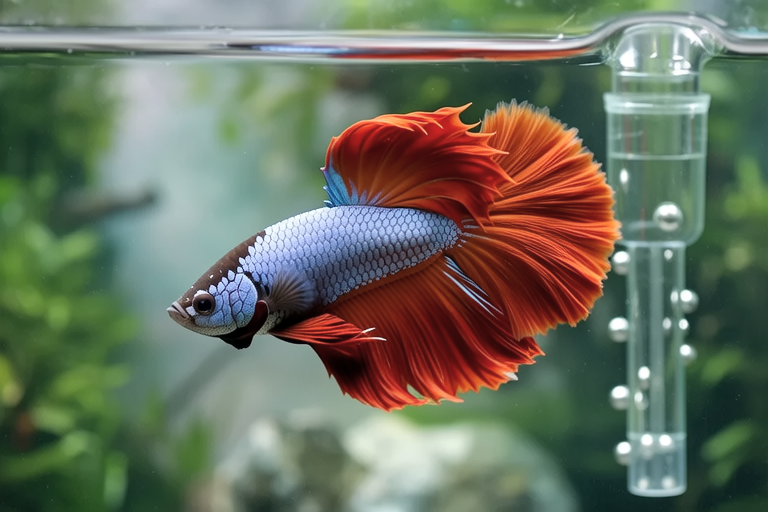
From Fin to Flask: The Ultimate Guide to Betta Water Care
Welcome to the world of betta fish care! Known for their vibrant colors and flowing fins, bettas are a favorite among aquarists. However, keeping these beautiful creatures healthy requires more than just a pretty tank. Proper water care is crucial for your betta’s well-being. This guide will walk you through everything you need to know about maintaining optimal water conditions for your betta.
Understanding Ideal Water Parameters
The first step in caring for your betta is understanding the ideal water parameters. These include temperature, pH level, and water hardness.
- Temperature: Betta fish thrive in warm waters between 76°F and 82°F (24°C to 28°C). Use a heater to maintain this range, especially during colder months.
- pH Level: Betta fish prefer slightly acidic to neutral water with a pH between 6.5 and 7.5. Regular testing can help you monitor and adjust your water’s acidity as needed.
- Water Hardness: Soft to moderately hard water is best for bettas, typically ranging from 5 to 15 dGH. Ensure your tap water doesn’t exceed these limits, as excessively hard water can cause stress.
For beginners, it might seem overwhelming to manage all these factors simultaneously. However, with the right equipment and routine maintenance, achieving the perfect environment for your betta becomes manageable.
Filtration Systems: Keeping Your Betta’s Home Clean
A proper filtration system is vital for maintaining clean, healthy water. Filtration helps remove harmful toxins, excess food, and waste, which can lead to ammonia spikes if left unchecked.
When choosing a filter, consider the size of your tank and the flow rate. A gentle but effective filter will keep your water clean without causing excessive current that could stress your betta. Sponge filters are often recommended because they provide mechanical and biological filtration without strong currents.
Remember, while filtration is important, it shouldn’t be relied upon entirely for water quality. Regular water changes are still necessary to ensure the best living conditions for your betta.
Regular Water Changes: Essential for a Healthy Environment
Even with a good filtration system, performing regular water changes remains one of the most critical aspects of betta care. Aim to change about 25% of the water weekly, increasing frequency if your tank is smaller or if you notice signs of poor water quality.
Before adding new water, always treat it with a dechlorinator to remove harmful chemicals like chlorine and chloramines. This step ensures that any toxins are neutralized before they reach your betta.
Beginners might find this task daunting, but establishing a consistent schedule makes it easier. Set reminders or integrate water changes into your weekly routine to make sure your betta enjoys pristine water.
Beneficial Aquarium Plants: Enhancing Your Betta’s Habitat
In addition to providing aesthetic appeal, live aquarium plants offer numerous benefits for your betta’s habitat. They help oxygenate the water, absorb nitrates, and provide hiding spots and resting places.
Popular plant choices for betta tanks include Java Fern, Anubias, and Hornwort. These plants are hardy, easy to care for, and thrive in the same water conditions preferred by bettas.
Not only do plants enhance the appearance of your tank, but they also contribute significantly to your betta’s overall well-being. Incorporating them into your setup can create a more natural and enriching environment for your fish.
Tips for Preventing Common Water-Related Health Issues
Despite your best efforts, sometimes water-related health issues can arise. Here are some common problems and how to prevent them:
- Ammonia Poisoning: Ammonia is toxic to fish and can build up rapidly in improperly maintained tanks. Regular water changes and proper filtration are key to preventing ammonia spikes.
- Algae Blooms: Excessive light and nutrient-rich water can lead to algae overgrowth. Limit exposure to direct sunlight and use floating plants to block some light.
- Stress: Rapid changes in water parameters or aggressive tankmates can stress your betta. Keep water conditions stable and avoid overcrowding.
By addressing these potential issues proactively, you can create a safe and comfortable environment for your betta, reducing the risk of health complications.
Actionable Advice for All Levels of Bettas Keepers
No matter your experience level, there are steps you can take to ensure your betta thrives:
- Beginners: Start with a small, well-filtered tank and focus on maintaining consistent water quality. Gradually introduce new elements like plants and decorations as you become more comfortable.
- Advanced Keepers: Consider setting up a dedicated breeding tank or exploring advanced filtration techniques. Experiment with different plant species and tank setups to create unique environments.
Whether you’re just starting out or have years of experience, continuous learning and adaptation are key to providing the best possible care for your betta.
Conclusion
Maintaining optimal water conditions is essential for the health and happiness of your betta. By understanding ideal water parameters, investing in proper filtration, performing regular water changes, and incorporating beneficial plants, you can create an environment where your betta flourishes.
Remember, responsible pet care involves more than just feeding and cleaning. It’s about creating a nurturing space that supports your betta’s physical and emotional needs. With the knowledge and tools provided in this guide, you’re well on your way to becoming a skilled and compassionate betta keeper.
