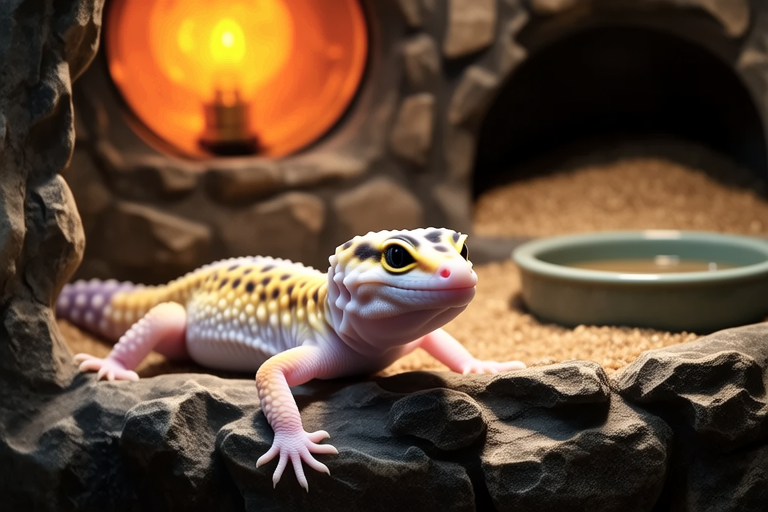
How to Set Up the Perfect Habitat for Your Leopard Gecko at Home
Leopard geckos are popular pets due to their relatively low maintenance and unique appearance. Providing your leopard gecko with an optimal living environment is crucial for its health and happiness. This guide will walk you through setting up the perfect habitat for your pet, covering everything from habitat size and substrate options to temperature and humidity requirements, lighting, hiding spots, feeding areas, cleaning, and safety precautions.
Habitat Size
The size of the habitat is one of the most important factors when setting up your leopard gecko’s home. A general rule of thumb is to provide at least 10 gallons of space per gecko. For a single adult, a 20-gallon tank is ideal. Larger tanks can accommodate multiple geckos if they are properly partitioned. Ensure the enclosure has a secure lid to prevent escapes.
Substrate Options
Selecting the right substrate is vital for your gecko’s health. Avoid substrates that pose choking hazards or can cause impaction, such as sand or small gravel. Safe alternatives include paper towels, reptile carpet, or specially designed indoor-outdoor carpeting. These materials are easy to clean and do not pose any risks to your gecko.
Temperature and Humidity Requirements
Leopard geckos require specific temperature gradients within their habitat to regulate their body temperature. The warm side of the enclosure should be around 88-90°F (31-32°C), while the cool side should be approximately 75-80°F (24-27°C). Use a thermostat to maintain these temperatures accurately. A daytime heat lamp can be used to achieve this gradient, and it should be turned off at night to allow the gecko to experience a natural drop in temperature.
Humidity levels should be kept low, around 30-40%. Leopard geckos naturally live in arid environments, so excessive moisture can lead to respiratory infections and other health issues. To achieve the correct humidity, mist the enclosure lightly once or twice a week and ensure there is proper ventilation.
Lighting Needs
Leopard geckos are nocturnal creatures, so they do not require UVB lighting like some other reptiles. However, providing a heat lamp during the day simulates daylight and helps regulate their circadian rhythm. The heat lamp should be placed on one side of the enclosure to create the necessary temperature gradient. Remember to turn off the light at night to allow your gecko to rest.
Hiding Spots and Decorations
Providing hiding spots is essential for your gecko’s mental well-being. Leopard geckos need places to feel safe and secure. You can use commercially available hides or create your own using half-log caves or plastic containers with entrance holes cut into them. Place these hides on both the warm and cool sides of the enclosure to give your gecko options based on its activity level.
In addition to hiding spots, adding decor items such as rocks, branches, and plants can enhance the aesthetic appeal of the habitat while also offering enrichment opportunities for your gecko. Ensure all decor items are securely anchored to prevent accidents.
Feeding Areas
Designate a specific area within the enclosure for feeding to help maintain cleanliness and reduce the risk of substrate ingestion. Some owners prefer to feed their geckos outside of the enclosure to prevent waste buildup inside. Regardless of your chosen method, ensure that food items are appropriately sized for your gecko and that uneaten prey is removed promptly to prevent attracting pests.
Cleaning and Maintenance Tips
Regular cleaning is crucial for maintaining a healthy environment for your leopard gecko. Spot clean the enclosure daily by removing any feces or uneaten food. Perform a deep clean every few weeks, which involves removing all substrate, decor, and accessories, washing them with a reptile-safe disinfectant, and replacing the substrate.
When handling your gecko, always wash your hands before and after to prevent the spread of bacteria. Additionally, monitor the enclosure’s temperature and humidity regularly to ensure they remain within the appropriate ranges.
Safety Precautions
Handling your leopard gecko gently and with care is paramount. Always support its entire body when picking it up, avoiding sudden movements that might startle it. Leopard geckos have fragile tails that can break easily if mishandled. If the tail does fall off, it will eventually regenerate, but the new one won’t be as long or colorful as the original.
Keep the enclosure away from direct sunlight and drafts to prevent temperature fluctuations. Ensure all heating devices are securely mounted to prevent burns or fire hazards. Regularly check for signs of illness or distress in your gecko, such as lethargy, loss of appetite, or abnormal skin coloration. Early detection can make a significant difference in treatment outcomes.
Conclusion
Setting up the perfect habitat for your leopard gecko requires attention to detail and commitment to providing a safe, comfortable environment. By following the guidelines outlined in this article, you can ensure your gecko thrives in its new home. Remember, the health and happiness of your pet depend on proper care and maintenance. Enjoy your time together!
