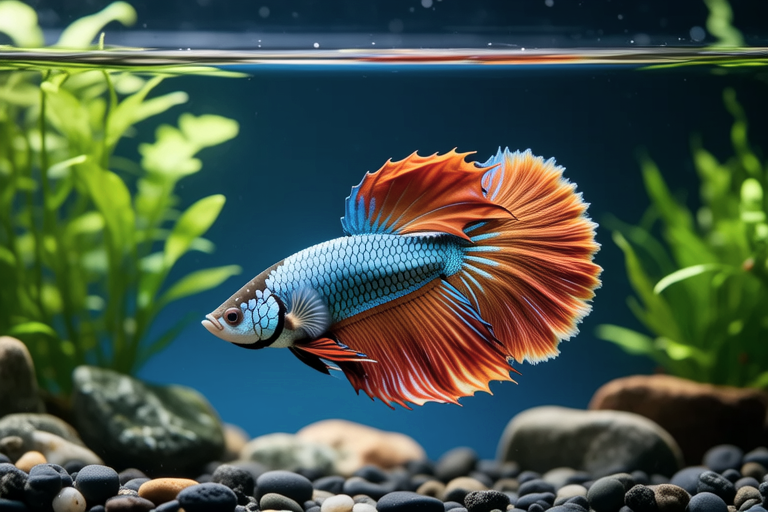
How to Create the Perfect Habitat for Your Vibrant Betta
Welcome to the fascinating world of bettas! These colorful, graceful fish are popular among aquarists for their vibrant hues and flowing fins. However, providing them with a healthy and stimulating habitat requires more than just a small bowl. This guide will walk you through the essentials of creating the perfect home for your betta, ensuring it thrives in a balanced, nurturing environment.
Selecting the Right Tank Size
The first step in setting up a suitable habitat for your betta is choosing the right tank size. Many beginners mistakenly believe that bettas can live comfortably in small bowls or vases, but this is far from ideal. Betta fish require ample space to swim and explore, which is why a minimum tank size of 2.5 gallons is recommended. Larger tanks, up to 5 gallons, provide even better conditions for your fish to thrive.
When selecting a tank, opt for one with a wide base rather than a tall, narrow shape. This layout encourages swimming and mimics natural environments where bettas can move freely. Additionally, ensure the tank has a secure lid to prevent any accidental escapes.
Maintaining Optimal Water Conditions
Water quality is paramount to your betta’s health. The ideal temperature range for betta tanks is between 76°F and 82°F (24°C to 28°C). Use a reliable aquarium heater to maintain consistent temperatures, as bettas are tropical fish and thrive in warm waters.
A crucial aspect of water maintenance is regular filtration. Bettas produce waste, and without proper filtration, ammonia levels can rise, leading to health issues. Choose a filter that suits your tank size and provides gentle water circulation without causing stress to your fish. Additionally, perform weekly water changes of around 25% to keep the water clean and fresh.
Testing your water regularly for pH, ammonia, nitrite, and nitrate levels is also important. Betta fish prefer slightly acidic water with a pH between 6.5 and 7.5. Using a water conditioner when changing the water can help neutralize harmful chemicals and make tap water safe for your fish.
Selecting Appropriate Decorations and Hiding Spots
Creating a visually appealing and functional habitat involves selecting the right decorations. Bettas appreciate places to hide and rest, so include caves, plants, and driftwood. Live or silk plants are excellent choices, as they provide shelter and encourage natural behaviors like darting among foliage.
Ensure that any decorations are smooth and free from sharp edges to prevent injury to your betta. Avoid overcrowding the tank, as too many decorations can limit swimming space. A balance between open areas and hiding spots will give your betta the best of both worlds.
Understanding Lighting Needs
Bettas need proper lighting to maintain their vibrant colors and overall health. Natural sunlight is beneficial, but direct exposure can cause overheating and algae growth. Instead, use a full-spectrum LED light designed for aquariums. These lights mimic natural daylight and promote plant growth while keeping your betta’s colors bright.
It’s essential to establish a day-night cycle by turning off the lights for at least 8 hours each night. This simulates the natural environment and helps your betta maintain its circadian rhythm.
Feeding Habits
Proper nutrition is key to your betta’s health and longevity. Feed your betta a high-quality diet that includes pellets, flakes, and occasional treats like frozen bloodworms or brine shrimp. Avoid overfeeding, as excess food can pollute the water. A good rule of thumb is to feed your betta twice daily, offering only what it can consume within 2 minutes.
Varying your betta’s diet ensures it receives all necessary nutrients. Consider rotating between different types of food to provide a balanced nutritional profile. Also, be cautious about feeding live foods, as they can introduce parasites into the tank if not properly sourced.
Regular Maintenance Tips
Maintaining a healthy environment for your betta requires ongoing attention. Regularly check the water parameters and adjust as needed. Perform partial water changes every week and clean the tank glass to prevent algae buildup.
Inspect your betta for signs of illness or distress, such as lethargy, clamped fins, or unusual coloration. Early detection of health issues can prevent serious complications. If you notice any concerning symptoms, consult with a veterinarian specializing in aquatic animals for advice.
Lastly, consider adding a few drops of aquarium salt to the water, as it can help reduce stress and combat fungal infections. Always introduce new fish slowly to acclimate them to the environment and avoid introducing diseases.
Conclusion
Creating the perfect habitat for your vibrant betta is a rewarding endeavor that enhances both the fish’s well-being and your enjoyment as an owner. By selecting the right tank size, maintaining optimal water conditions, choosing appropriate decorations, understanding lighting needs, adhering to proper feeding habits, and following regular maintenance tips, you’ll provide your betta with a thriving environment. Remember, a healthy and happy betta is a beautiful sight to behold, and with these guidelines, you’re well on your way to becoming an expert betta caretaker.
