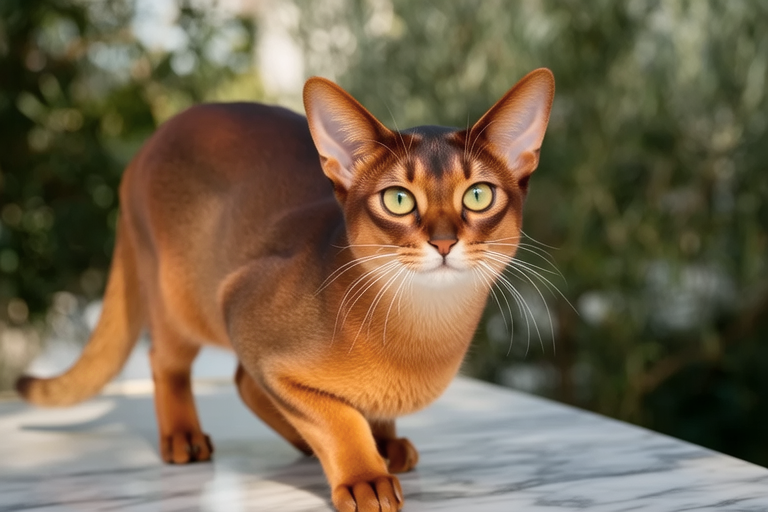
Abyssinian Cats: The Ultimate Guide to Their Unique Traits
Introduction: A Brief History and Origin
The Abyssinian cat, one of the oldest domesticated breeds, has a rich history that dates back centuries. Legend has it that these cats were worshipped by ancient Egyptians, who believed them to be sacred creatures. Historically, they were associated with royalty and were often depicted in hieroglyphics and tomb paintings. While the exact origins remain somewhat shrouded in mystery, it is widely accepted that the breed originated from coastal regions of the Indian Ocean and parts of Southeast Asia. The modern Abyssinian breed was established in the UK during the 19th century, making it a favorite among cat enthusiasts worldwide.
Physical Characteristics: Graceful and Distinctive
Abyssinians are known for their elegant physique and distinctive appearance. They have a medium-sized body, muscular yet graceful, and long legs that give them a regal stance. Their heads are wedge-shaped, complemented by large, alert ears that enhance their keen hearing. One of the most striking features of the Abyssinian is its coat, which comes in several shades, including ruddy, blue, fawn, and cinnamon. These coats feature a unique ticked pattern, where each hair displays bands of color, creating a shimmering effect that gives them a wild and exotic look. Their eyes, typically almond-shaped and large, range from green to gold, adding to their captivating presence.
Temperament and Intelligence: Playful and Curious
Abyssinians are highly intelligent and curious, always eager to explore their surroundings. They possess a playful nature, often engaging in interactive play with toys and puzzles. This breed thrives on mental stimulation and enjoys games that challenge their problem-solving skills. Abyssinians are also known for their strong bond with their human companions, often seeking out attention and affection. Despite their independent streak, they are social cats that enjoy being part of the family. Their intelligence and adaptability make them excellent companions for those who can provide consistent interaction and engagement.
Social Behaviors: Affectionate and Interactive
Abyssinians are sociable and thrive in environments where they receive plenty of attention. They are known to follow their owners around the house, offering companionship and comfort. These cats are particularly fond of interacting with their humans, often greeting them at the door or curling up beside them on the couch. Abyssinians are also quite vocal, using a variety of chirps, meows, and trills to communicate. They are generally good with children and other pets, provided they are introduced gradually and given time to adjust. Their adaptable nature makes them well-suited for multi-pet households.
Caring for Your Abyssinian: Tips and Guidelines
Dietary Needs
Abyssinians require a balanced diet that meets their nutritional needs. High-quality commercial cat food, either dry or wet, formulated for their age and activity level is recommended. Fresh water should always be available. It’s important to avoid overfeeding, as obesity can lead to health problems. Consult your veterinarian for specific dietary recommendations based on your cat’s individual needs.
Exercise Requirements
Regular exercise is crucial for maintaining the health and happiness of an Abyssinian. Provide plenty of opportunities for play, such as climbing trees, chasing toys, and exploring safe outdoor areas if possible. Puzzle feeders and interactive toys can help stimulate their minds and keep them active indoors. Regular play sessions will help prevent boredom and maintain a healthy weight.
Grooming Practices
Despite their short coats, Abyssinians require regular grooming to maintain their sleek appearance and overall health. Weekly brushing helps remove loose hairs and prevents matting. Bathing is usually unnecessary unless absolutely needed, as it can strip natural oils from their skin. Regular nail trimming, dental care, and ear cleaning are also important aspects of grooming. Proper grooming practices contribute to your cat’s comfort and well-being.
Common Health Issues: Prevention and Management
Like any breed, Abyssinians are prone to certain health issues. Periodic veterinary check-ups are essential for early detection and management of potential problems. Some common health concerns include dental disease, kidney issues, and certain genetic conditions like hypertrophic cardiomyopathy. Maintaining a healthy diet, regular exercise, and proper grooming can help mitigate some of these risks. Always consult your veterinarian for personalized advice and care.
Integrating Abyssinian Cats into Families: Compatibility and Care
Abyssinians are generally compatible with children and other pets when introduced properly. Their affectionate and playful nature makes them great companions for families. It’s important to supervise interactions between young children and cats to ensure gentle handling. Gradual introductions and positive reinforcement can help establish a harmonious relationship with other pets. With patience and care, Abyssinians can become cherished members of any household.
