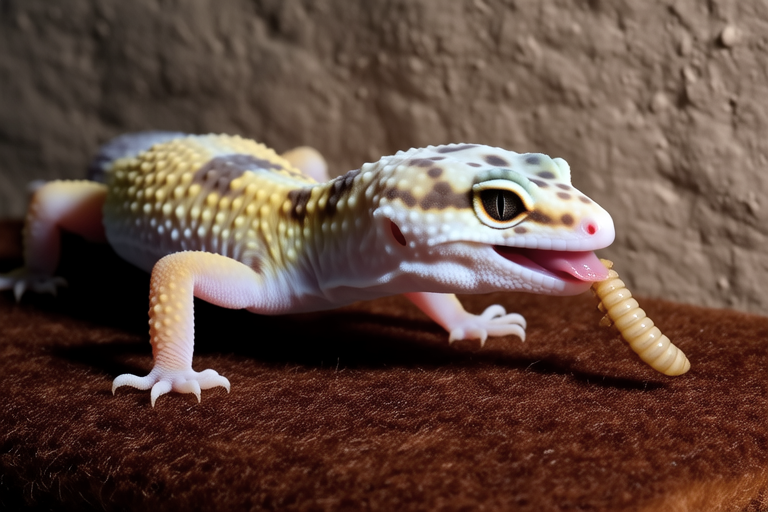
How to Choose the Right Diet for Your Leopard Gecko: Nutrition Essentials
Leopard geckos are one of the most popular reptiles kept as pets due to their hardiness, ease of care, and appealing appearance. However, providing them with the right diet is crucial for their health and longevity. Proper nutrition ensures that these fascinating creatures thrive in captivity, maintaining robust immune systems and avoiding serious health issues. This guide will walk you through the essentials of leopard gecko nutrition, helping you make informed decisions about your pet’s diet.
The Importance of Proper Nutrition
A well-balanced diet is the cornerstone of any healthy leopard gecko. Without it, your pet can suffer from various ailments, including obesity, malnutrition, and metabolic bone disease (MBD). These conditions can be debilitating and even fatal if left untreated. By understanding what your gecko needs and how to provide it, you can ensure they lead long, healthy lives.
Nutritional Requirements
Calcium
Calcium is vital for maintaining strong bones and muscles. It also plays a key role in nerve function and blood clotting. A deficiency in calcium can lead to MBD, characterized by soft, weak bones that can easily break. To ensure adequate calcium intake, include calcium-rich foods in your gecko’s diet and dust their food with calcium powder.
Vitamins
Leopard geckos require a variety of vitamins, particularly vitamin D3, which aids in calcium absorption. Vitamin A is also important for skin and eye health. A balanced diet should include sources rich in these vitamins, and supplements may be necessary to meet all nutritional requirements.
Proteins
Proteins are the building blocks of muscle and other tissues. They are essential for growth and repair. Insects like crickets and mealworms are excellent protein sources for leopard geckos.
Appropriate Food Sources
Live Insects
Live insects form the core of a leopard gecko’s diet. Crickets, mealworms, and waxworms are commonly fed. Each has its own nutritional profile:
- Crickets: High in protein and relatively low in fat, making them ideal for regular feeding. However, they can be high in phosphorus, so balancing their intake with calcium is crucial.
- Mealworms: While nutritious, they have a higher fat content than crickets. They should be fed less frequently to avoid weight gain.
- Waxworms: Often used as a treat due to their high-fat content. They are not recommended as a staple food but can be offered occasionally.
Feeding Frequency and Portion Sizes
Young geckos need to eat more frequently, often every day or every other day. Adult geckos generally need to eat every two to three days. The portion size should be based on the gecko’s size; typically, the prey item should be no larger than the space between the gecko’s eyes.
Gut Loading and Its Importance
Gut loading involves feeding nutritious foods to the insects before offering them to your gecko. This enhances the nutritional value of the insects, ensuring your gecko receives optimal nutrition. Gut loading can include vegetables like carrots, squash, and collard greens, as well as commercial gut-loading formulas.
Balancing Calcium and Phosphorus Ratios
To prevent MBD, it’s essential to maintain a calcium-to-phosphorus ratio of at least 2:1. Feeding calcium-rich foods and dusting insects with calcium powder helps achieve this balance. Avoid overfeeding high-phosphorus insects like superworms.
Supplementing Diets with Calcium and Vitamin D3 Powders
Dusting insects with calcium and vitamin D3 powders is a common practice. Calcium powder should be used daily, while vitamin D3 is typically added every other feeding. Over-supplementation can be harmful, so follow the product’s instructions carefully.
Common Dietary Mistakes to Avoid
- Overfeeding: Obesity can lead to health problems. Monitor your gecko’s weight and adjust portion sizes accordingly.
- Underfeeding: Insufficient food can lead to malnutrition and health issues. Ensure your gecko eats regularly.
- Inconsistent feeding: Regular feeding schedules help regulate metabolism and digestion.
- Improper supplementation: Overuse of supplements can cause toxicity, while underuse can lead to deficiencies.
Resources for Further Learning
To deepen your knowledge about leopard gecko care, consider joining reptile forums, subscribing to reptile magazines, and attending reptile expos. Many online communities offer valuable insights and support for new and experienced reptile owners alike.
By following these guidelines, you can provide your leopard gecko with a nutritious and balanced diet, ensuring they remain healthy and happy companions. Remember, a little extra effort in their diet can go a long way in promoting their overall well-being.
